Buildings 103
Sort
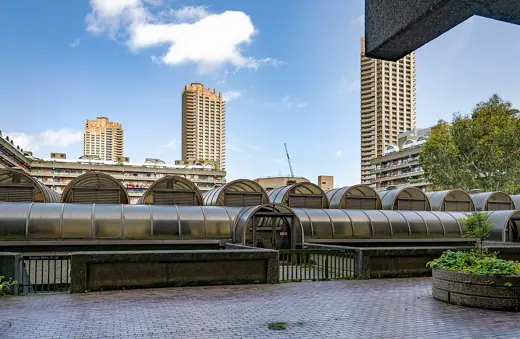 Barbican Estate1982 · London
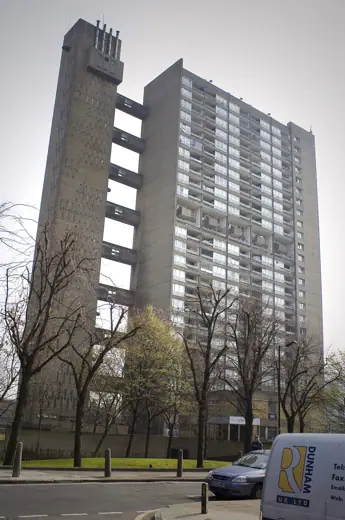 Balfron Tower1967 · London
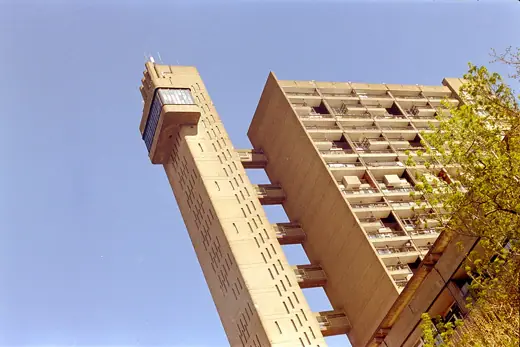 Trellick Tower1972 · London
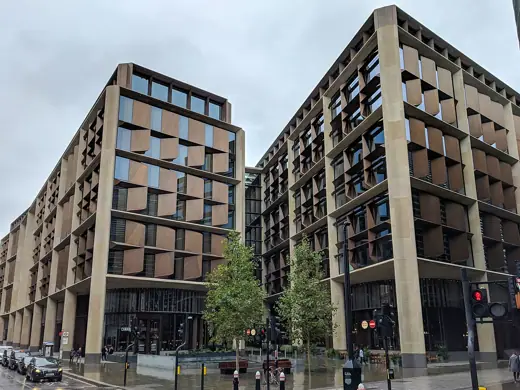 Bloomberg London2017 · London
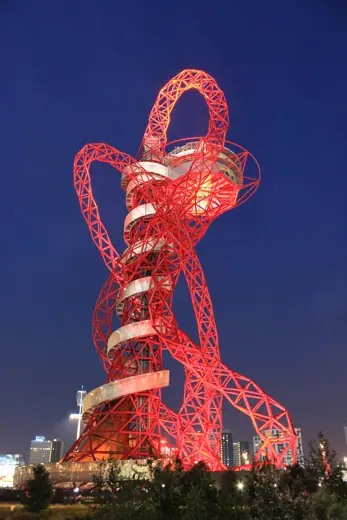 ArcelorMittal Orbit2012 · London
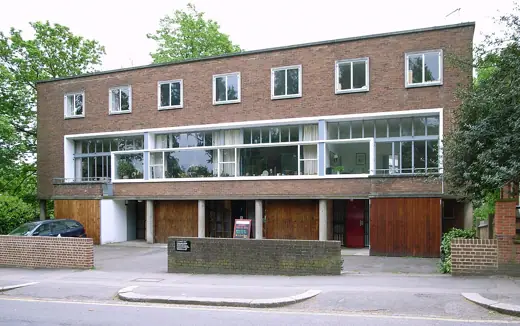 2 Willow Road1939 · London
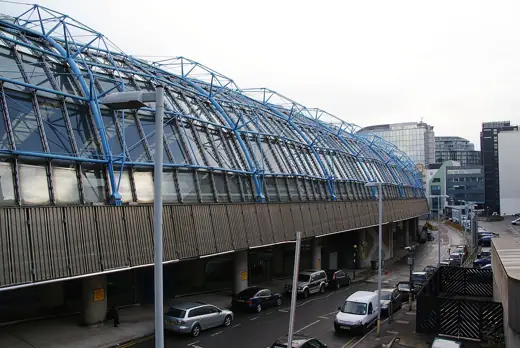 Waterloo International1993 · London
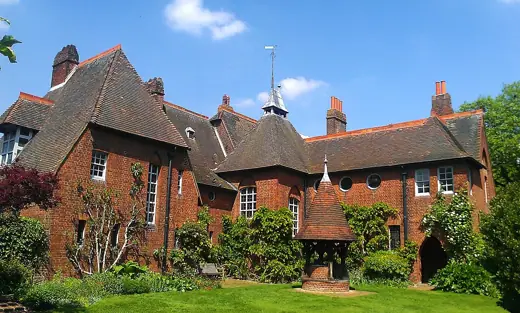 Red House1860 · London
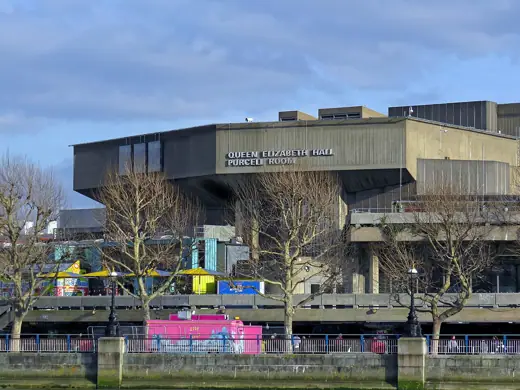 Queen Elizabeth Hall1967 · London
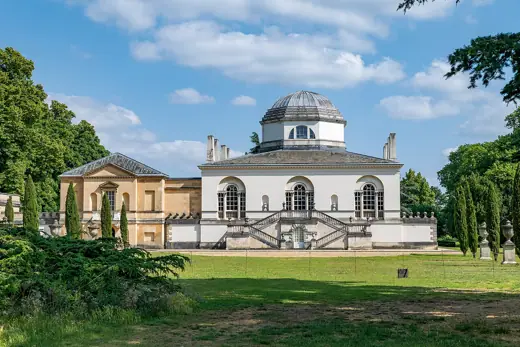 Chiswick House1729 · London
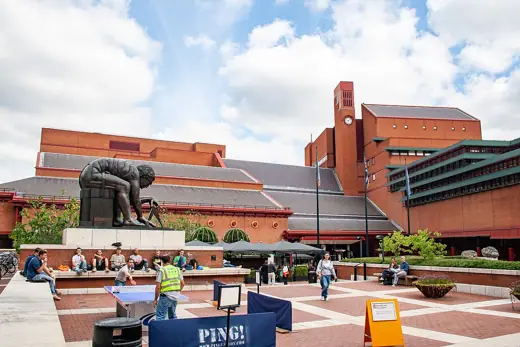 British Library1997 · London
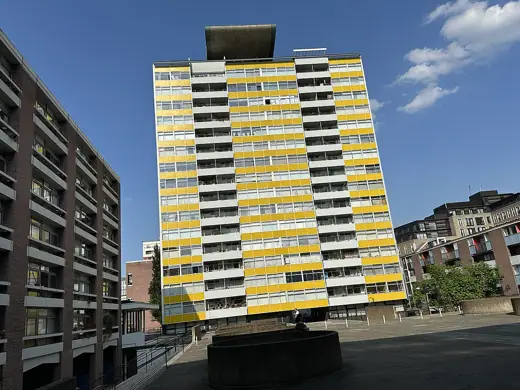 Golden Lane Estate1962 · London
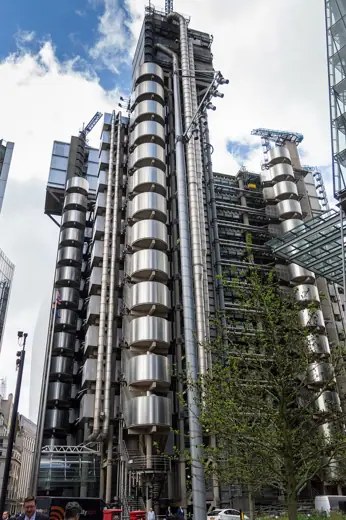 Lloyd's Building1986 · London
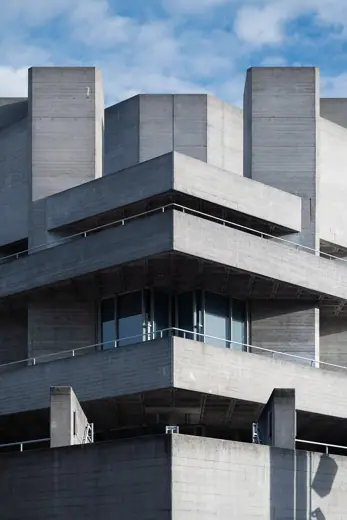 Royal National Theatre1976 · London
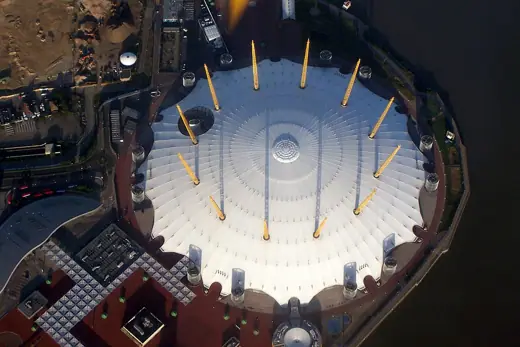 Millennium Dome1999 · London
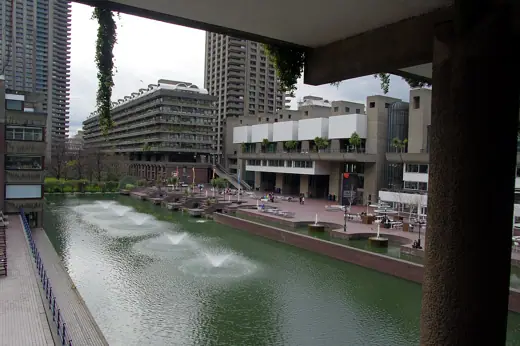 Barbican Centre1982 · London
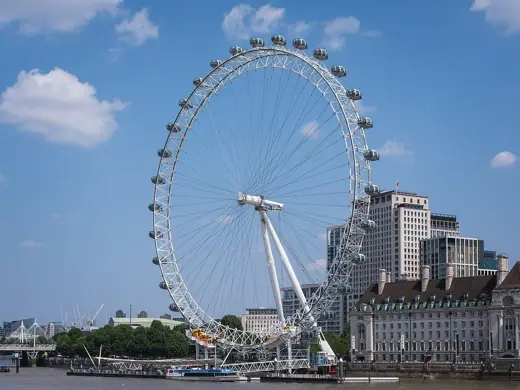 London Eye2000 · London
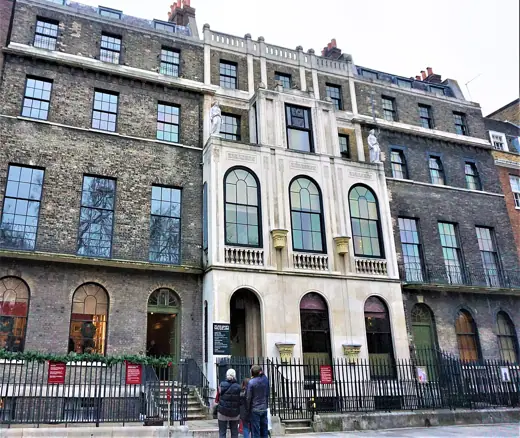 Sir John Soane's Museum1824 · London
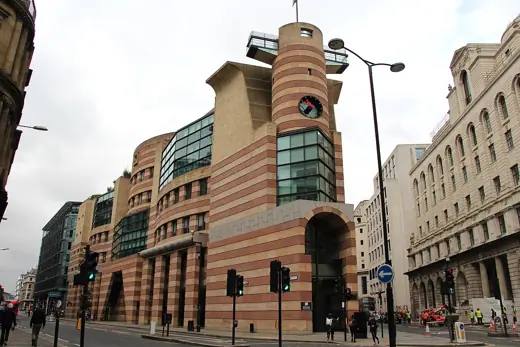 No 1 Poultry1997 · London
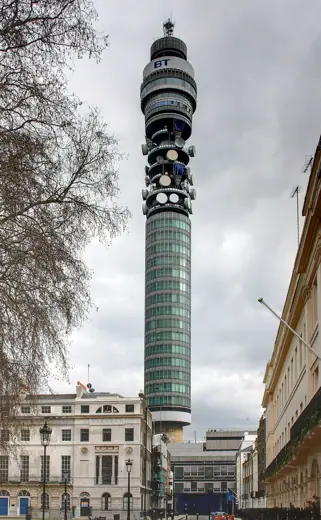 BT Tower1964 · London
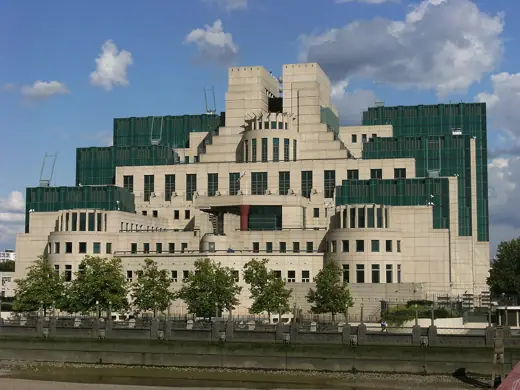 SIS Building1994 · London
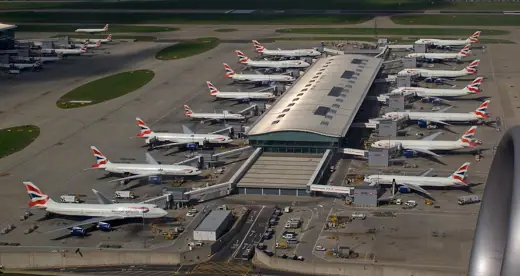 Heathrow Terminal 52008 · London
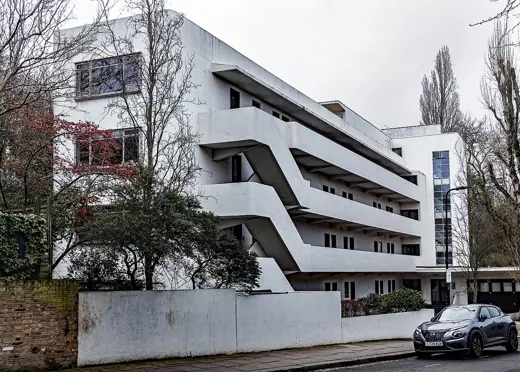 Isokon Building1934 · London
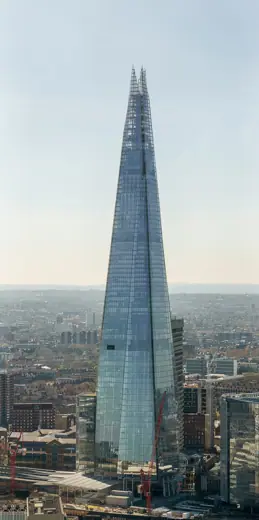 The Shard2012 · London
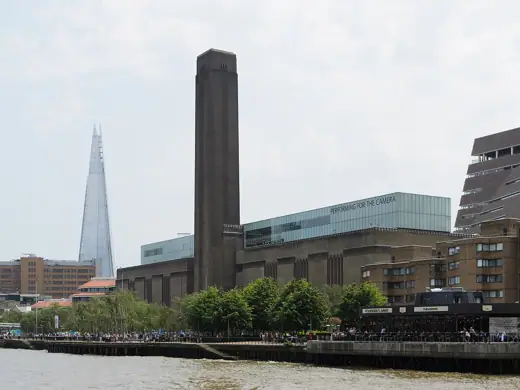 Tate Modern2000 · London
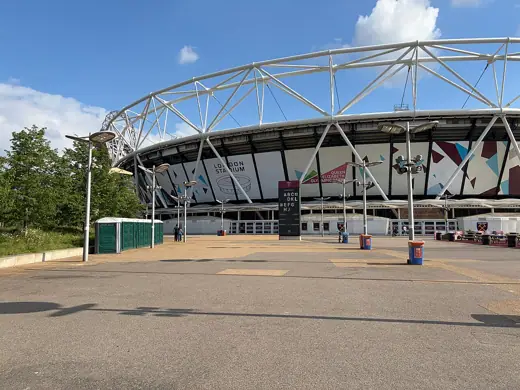 London Stadium2011 · London
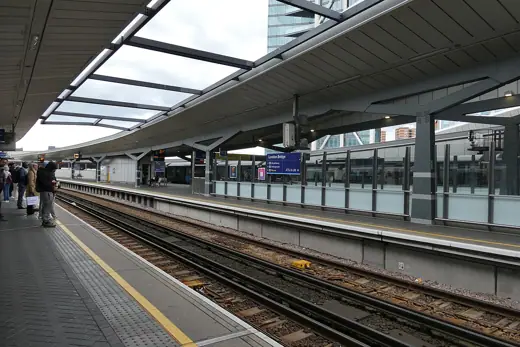 London Bridge Station2018 · London
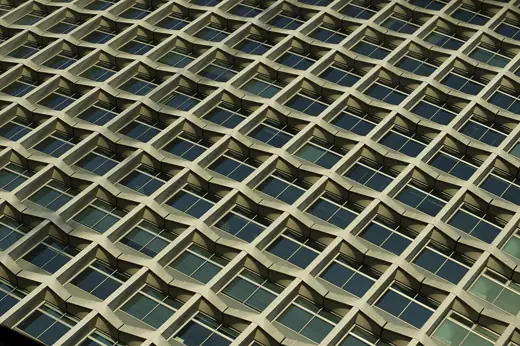 Centre Point1966 · London
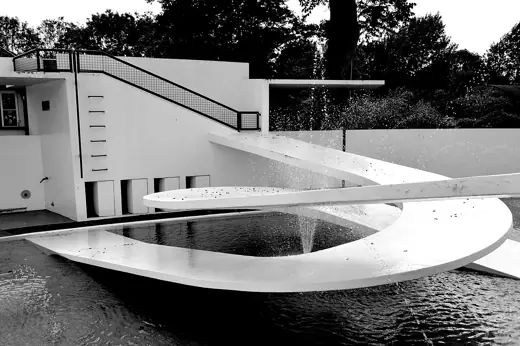 Penguin Pool, London Zoo1934 · London
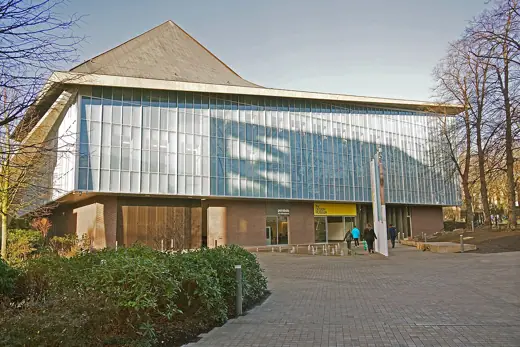 Design Museum2016 · London
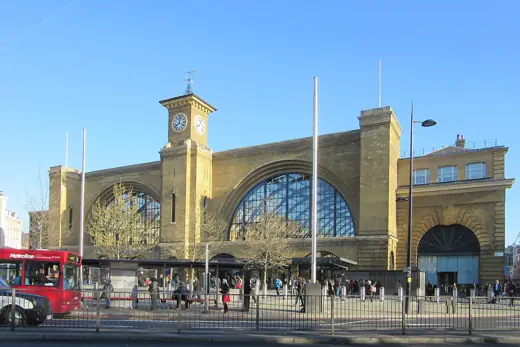 King's Cross station1852 · London
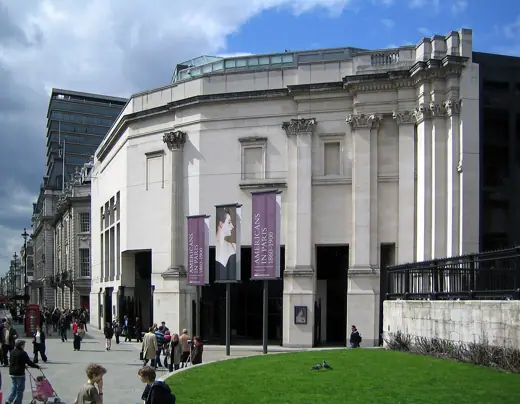 Sainsbury Wing, National Gallery1991 · London
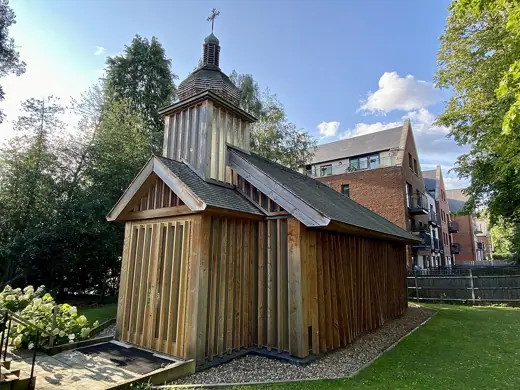 Belarusian Memorial Chapel2016 · London
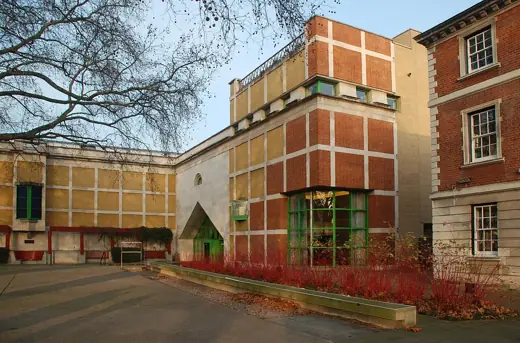 Clore Gallery, Tate Britain1987 · London
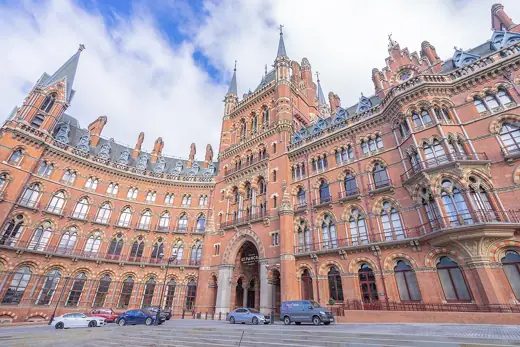 St Pancras railway station1868 · London
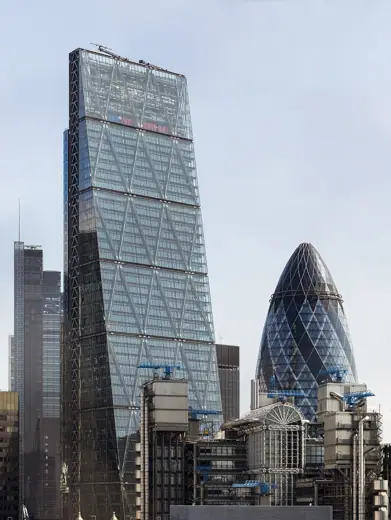 122 Leadenhall Street2014 · London
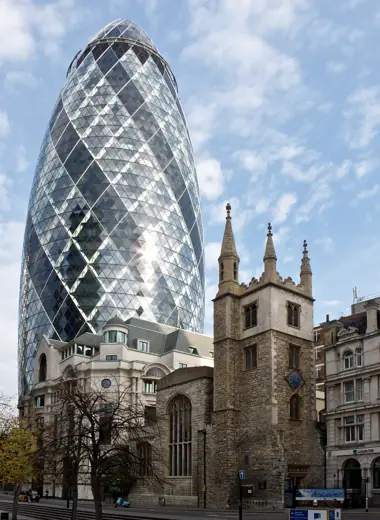 30 St Mary Axe2004 · London
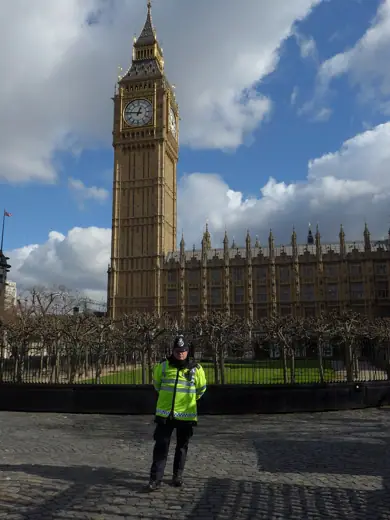 Palace of Westminster1876 · London
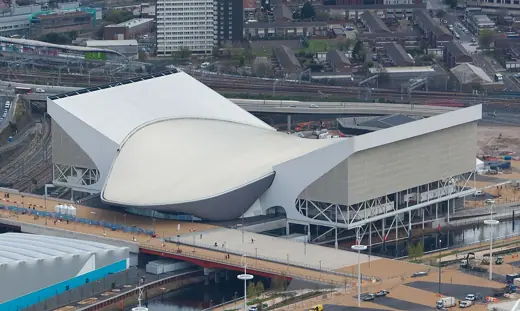 London Aquatics Centre2011 · London
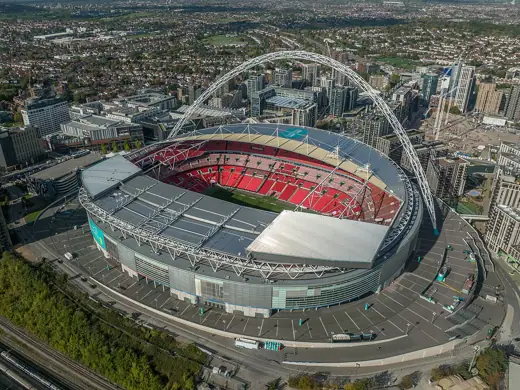 Wembley Stadium2007 · London
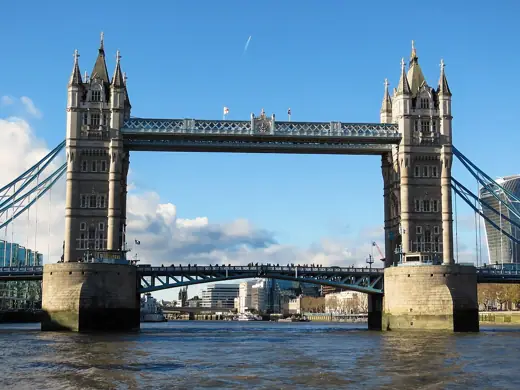 Tower Bridge1894 · London
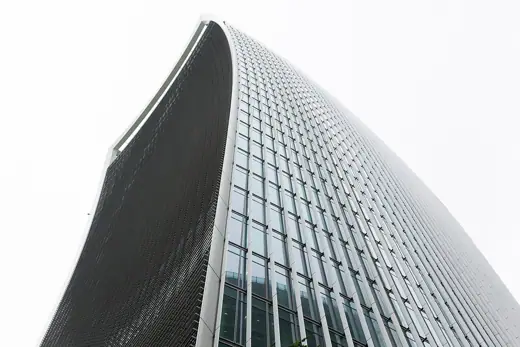 20 Fenchurch Street2014 · London
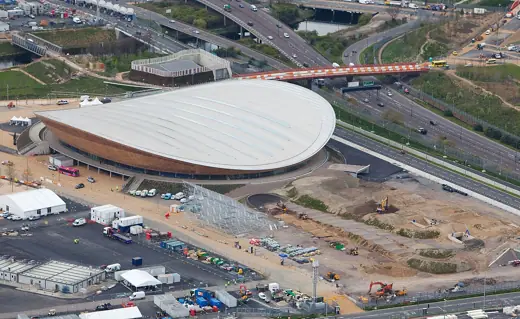 London Velodrome2011 · London
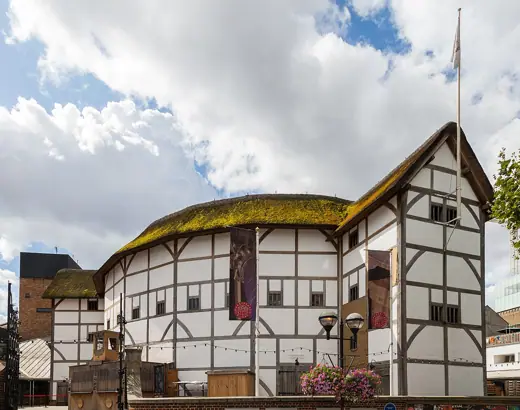 Shakespeare's Globe1997 · London
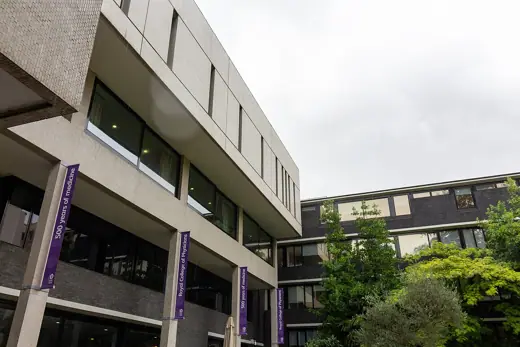 Royal College of Physicians1964 · London
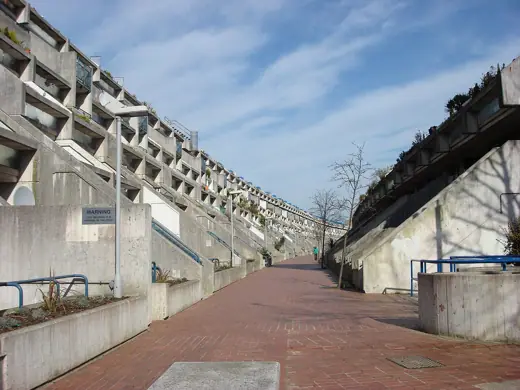 Alexandra Road Estate1978 · London
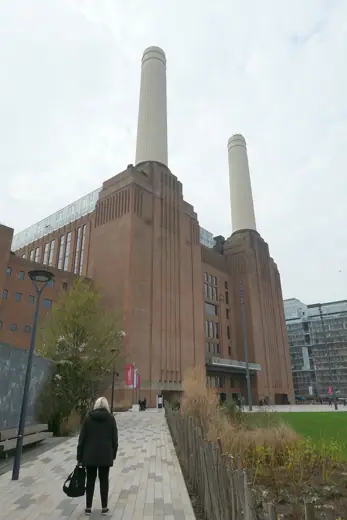 Battersea Power Station1955 · London
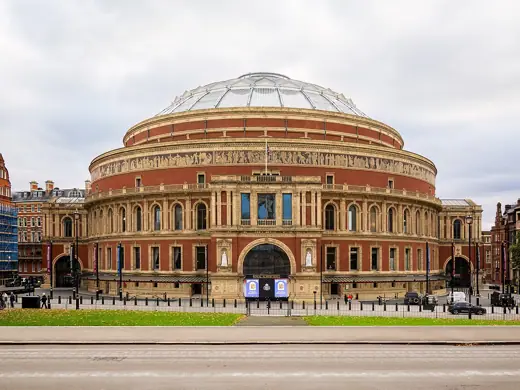 Royal Albert Hall1871 · London