Buildings 249
Sort
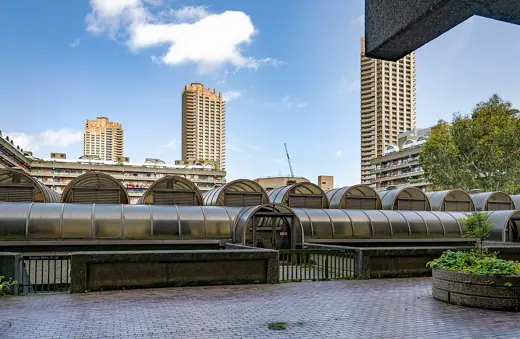 Barbican Estate1982 · London
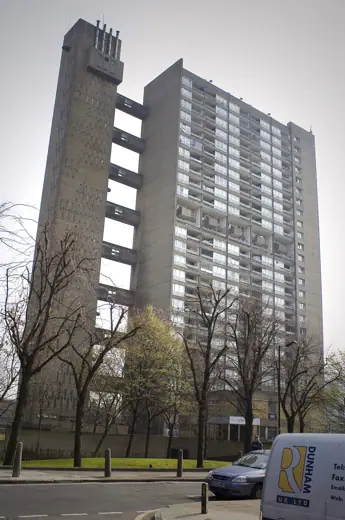 Balfron Tower1967 · London
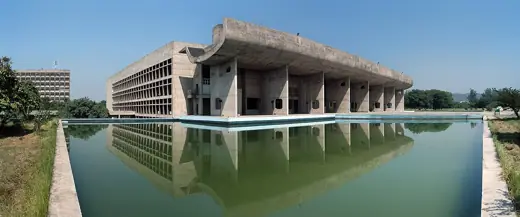 Capitol Complexc. 1962 · Chandigarh
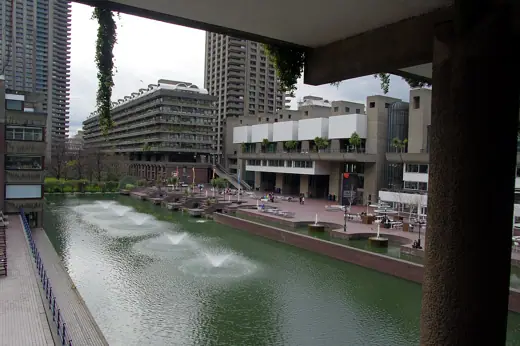 Barbican Centre1982 · London
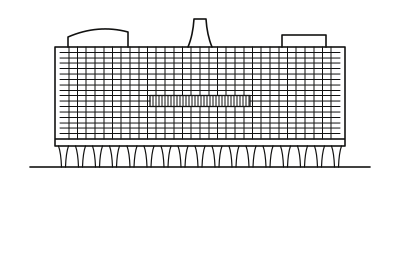 Unité d'Habitation1952 · Marseille
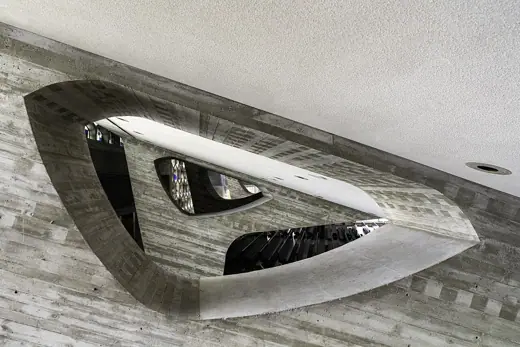 St. John's Abbey Church1961 · Collegeville
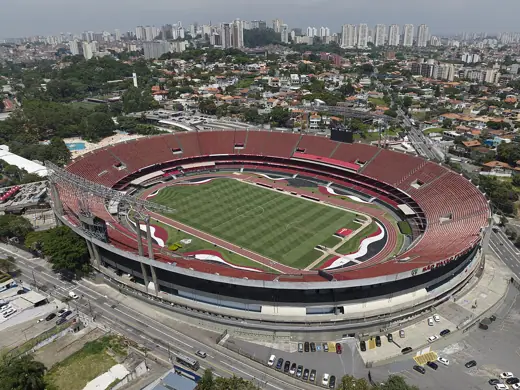 Morumbi Stadium (Estádio Cícero Pompeu de Toledo)1970 · São Paulo
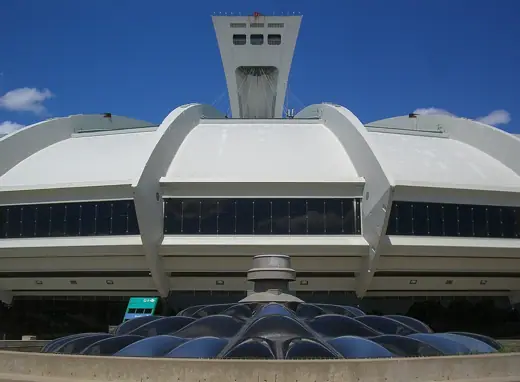 Montreal Olympic Stadium1976 · Montreal
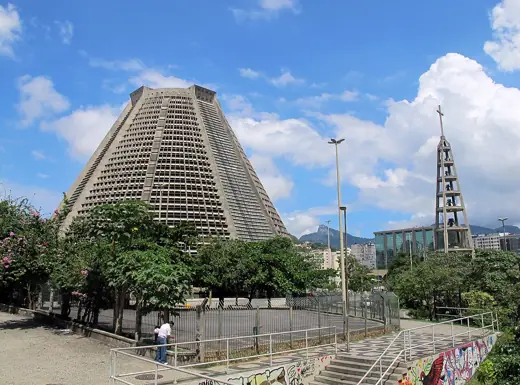 Metropolitan Cathedral of Rio de Janeiro1979 · Rio de Janeiro
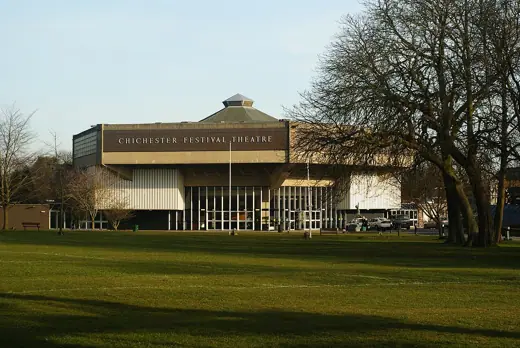 Chichester Festival Theatre1962 · Chichester
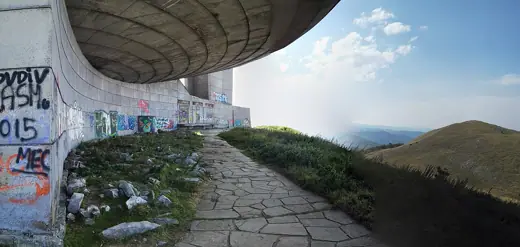 Buzludzha Monument1981 · Kazanlak
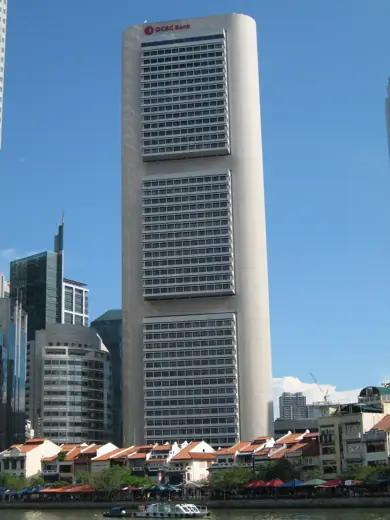 OCBC Centre1976 · Singapore
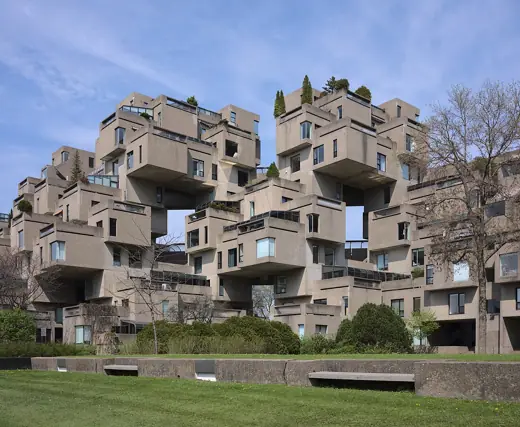 Habitat 671967 · Montréal
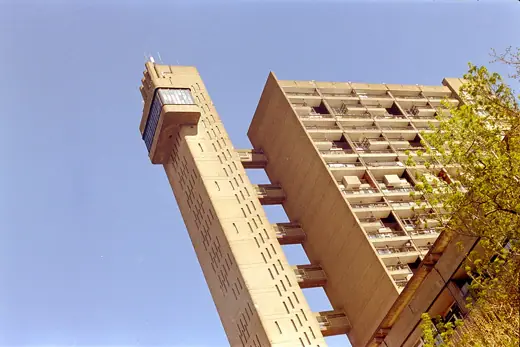 Trellick Tower1972 · London
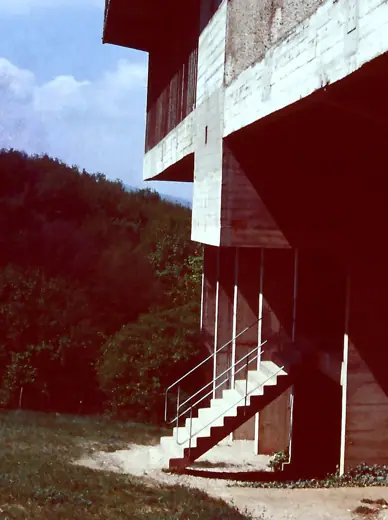 Sainte-Marie de La Tourette1960 · Éveux
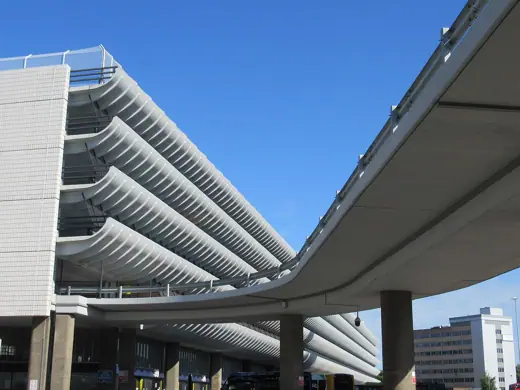 Preston Bus Station1969 · Preston
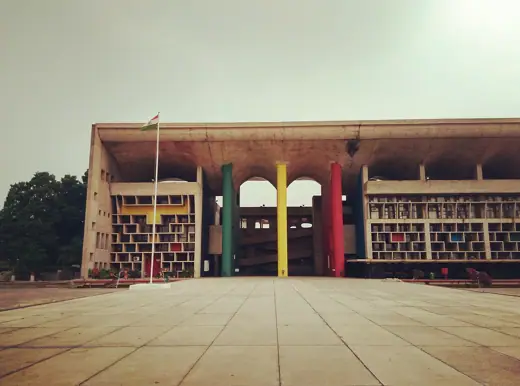 Palace of Justice (Punjab and Haryana High Court)1955 · Chandigarh
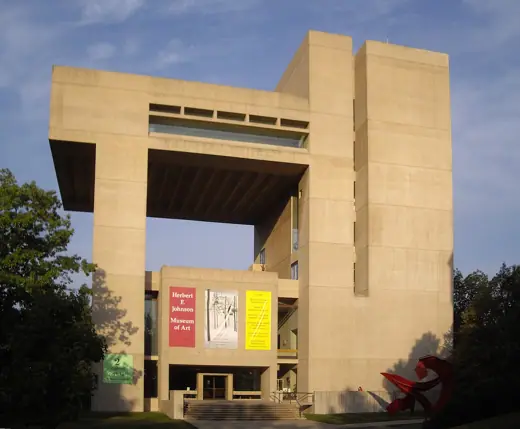 Herbert F. Johnson Museum of Art1973 · Ithaca
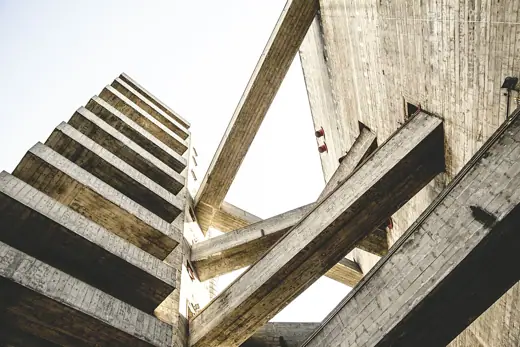 SESC Pompéia1986 · São Paulo
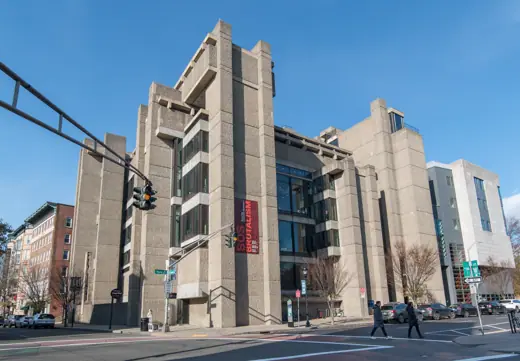 Yale Art and Architecture Building1963 · New Haven
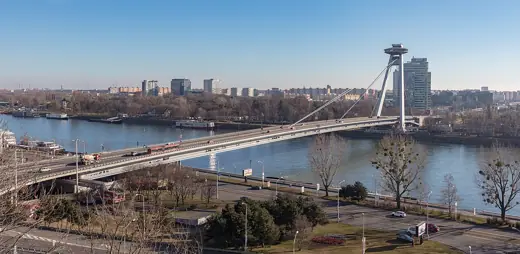 Most SNP (UFO Bridge)1972 · Bratislava
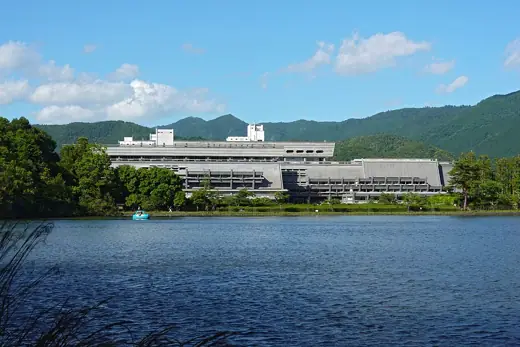 Kyoto International Conference Center1966 · Kyoto
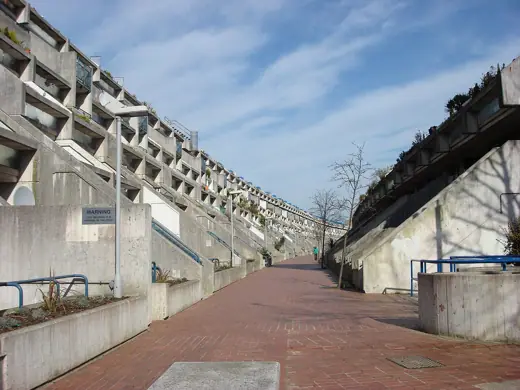 Alexandra Road Estate1978 · London
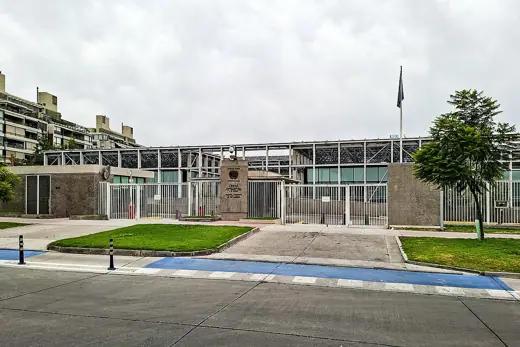 ECLAC Building1966 · Santiago
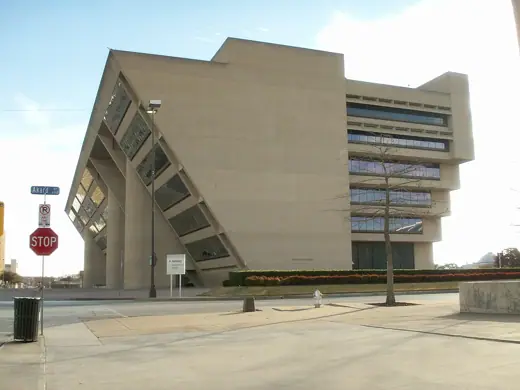 Dallas City Hall1978 · Dallas
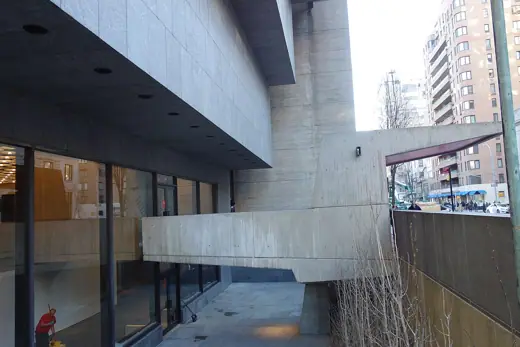 Breuer Building1966 · New York
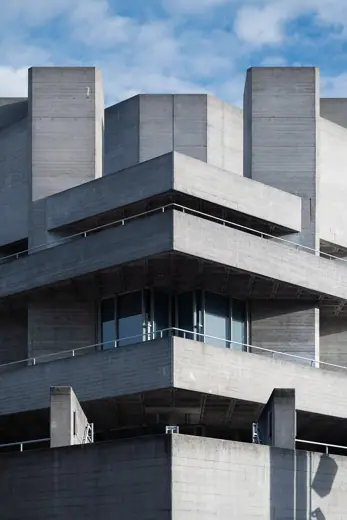 Royal National Theatre1976 · London
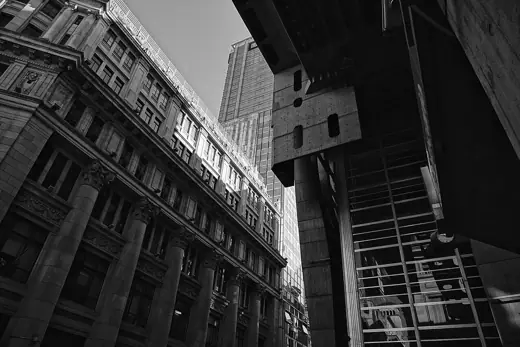 Bank of London and South America1966 · Buenos Aires
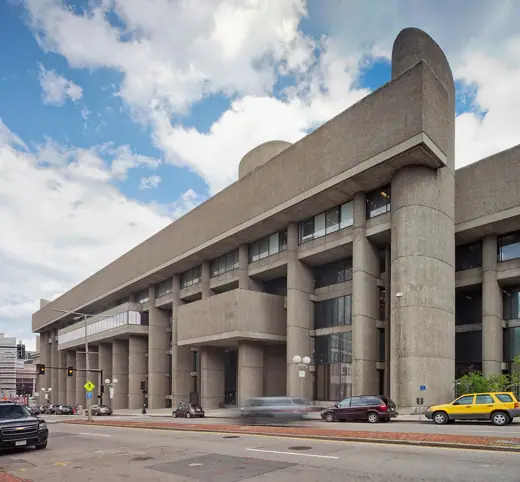 Boston Government Service Center1971 · Boston
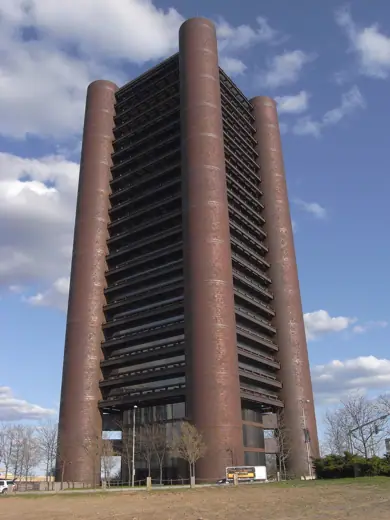 Knights of Columbus Building1969 · New Haven
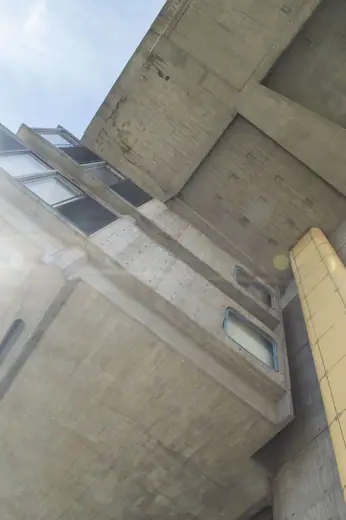 National Library of Argentina1992 · Buenos Aires
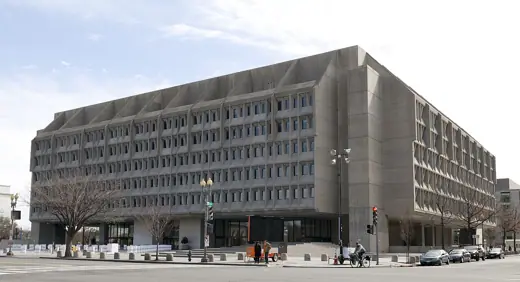 Hubert H. Humphrey Building1977 · Washington
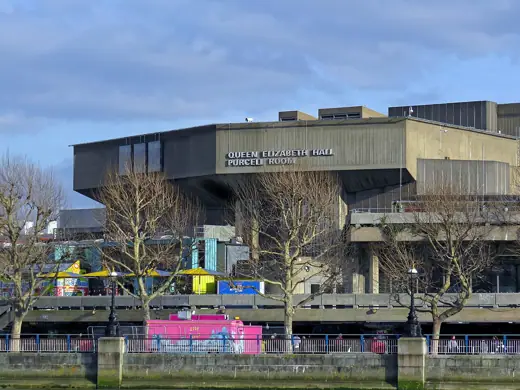 Queen Elizabeth Hall1967 · London
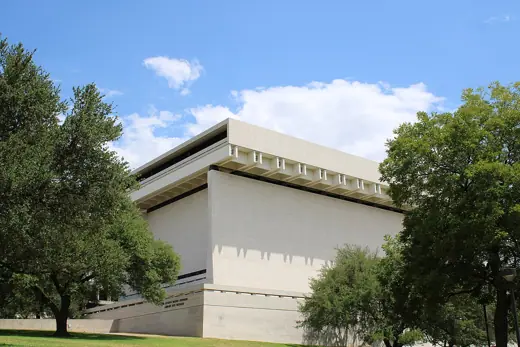 Lyndon Baines Johnson Library and Museum1971 · Austin
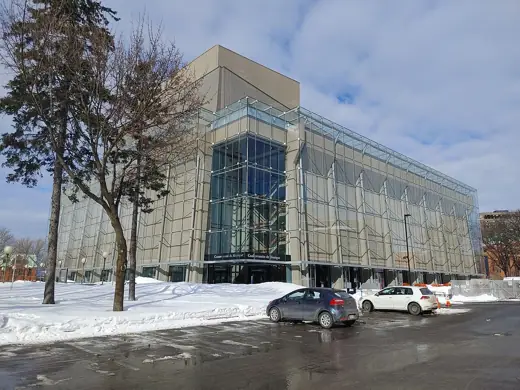 Grand Théâtre de Québec1971 · Quebec City
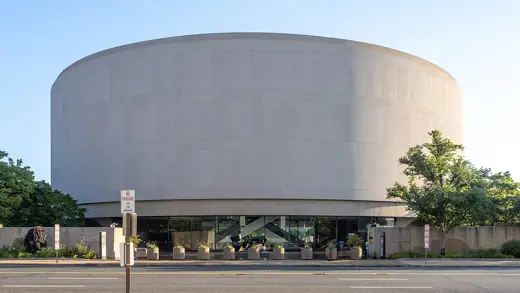 Hirshhorn Museum and Sculpture Garden1974 · Washington
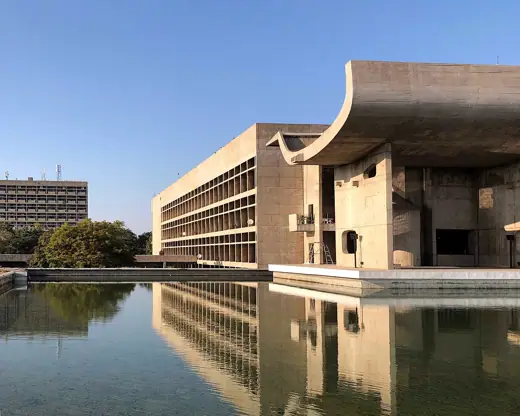 Palace of Assembly1962 · Chandigarh
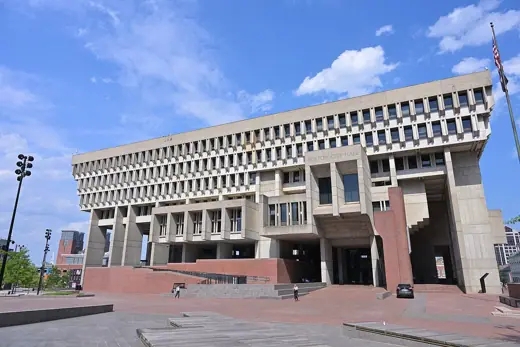 Boston City Hall1968 · Boston
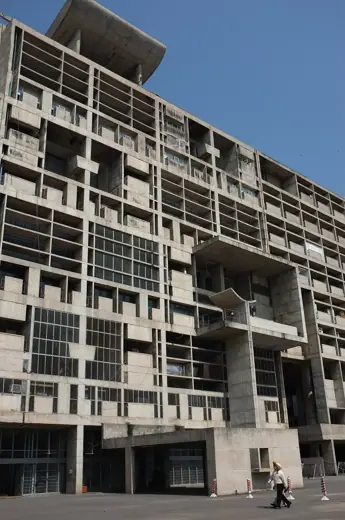 Secretariat Building1958 · Chandigarh
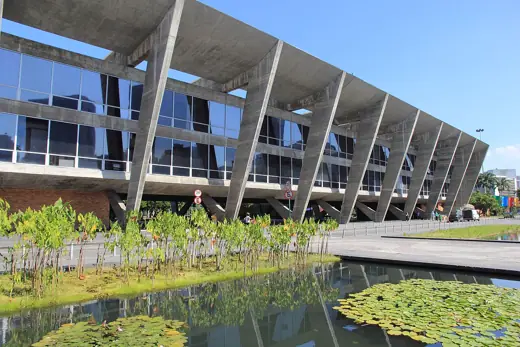 Museum of Modern Art, Rio de Janeiro1967 · Rio de Janeiro
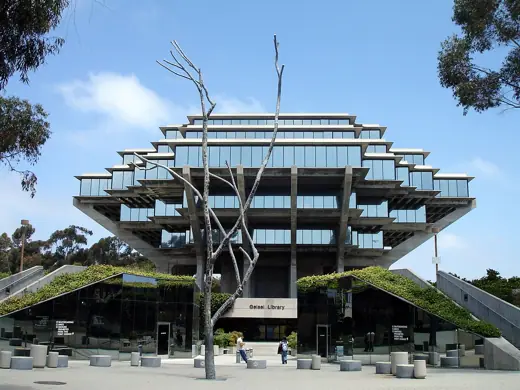 Geisel Library1970 · San Diego
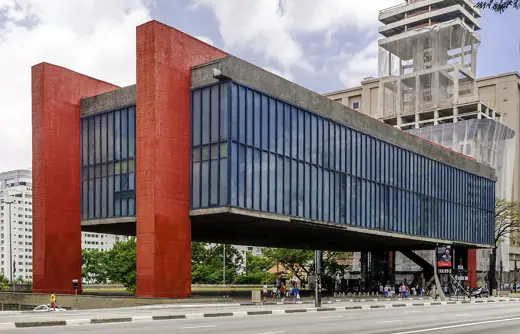 MASP1968 · São Paulo
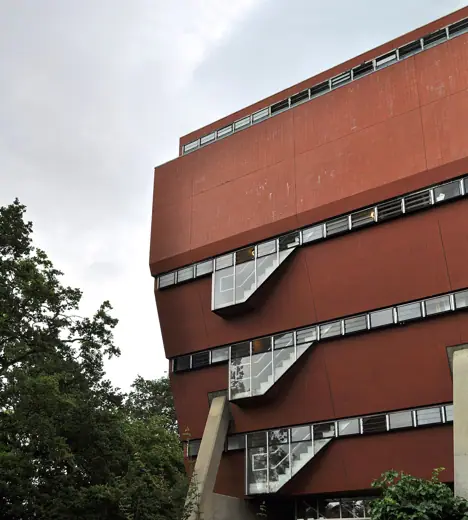 Florey Building1971 · Oxford
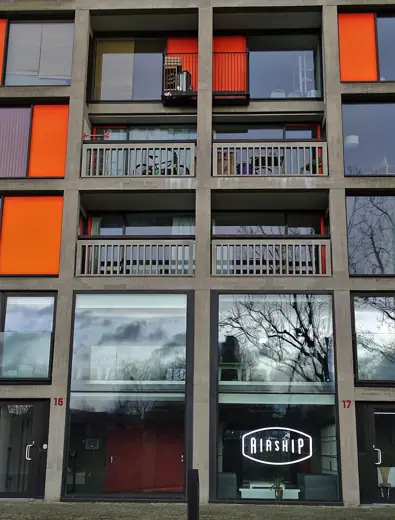 Park Hill1961 · Sheffield
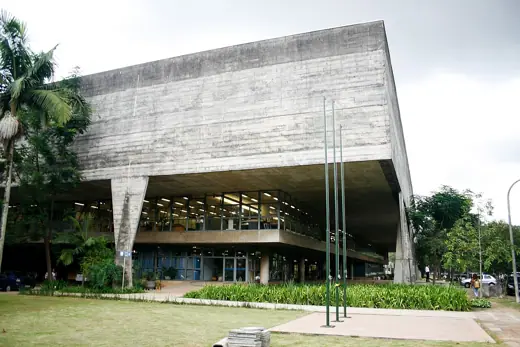 FAU-USP Building1969 · São Paulo
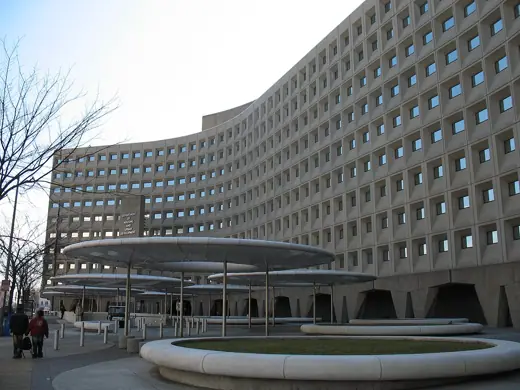 Robert C. Weaver Federal Building1968 · Washington
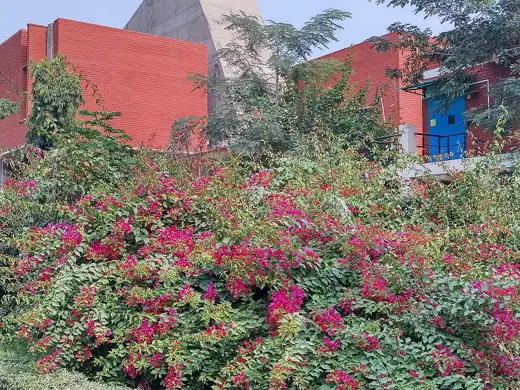 IIT Kanpur Academic Areac. 1966 · Kanpur
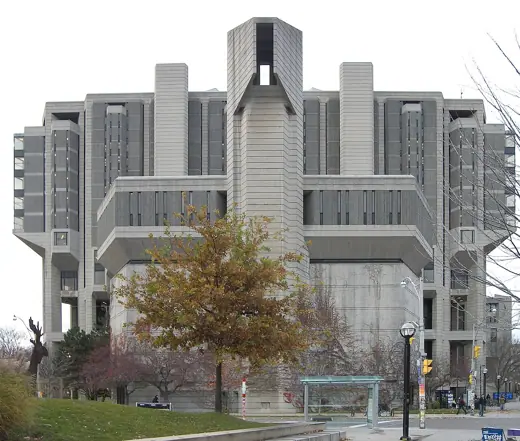 Robarts Library1973 · Toronto