Buildings 179
Sort
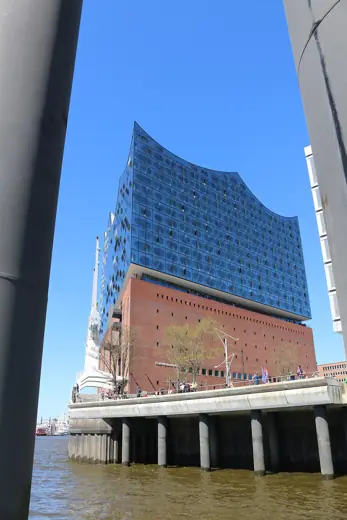 Elbphilharmonie2017 · Hamburg
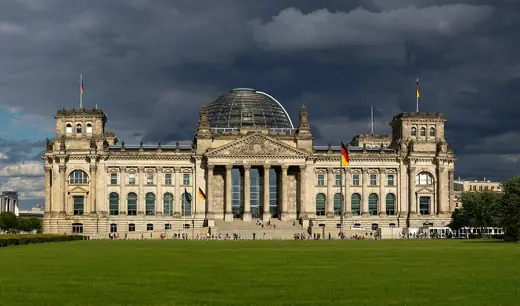 Reichstag1999 · Berlin
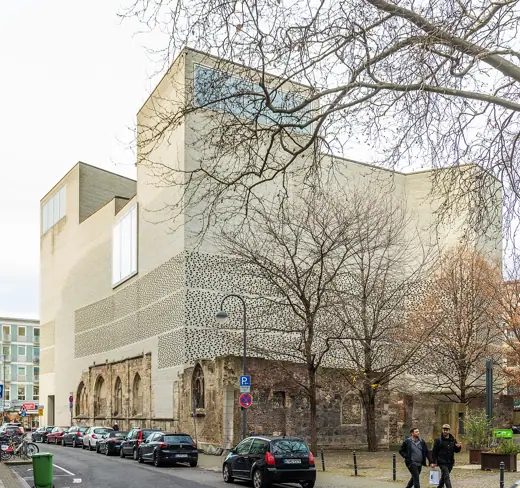 Kolumba Museum2007 · Cologne
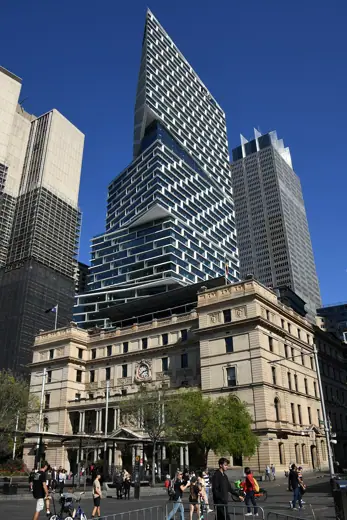 Quay Quarter Tower2022 · Sydney
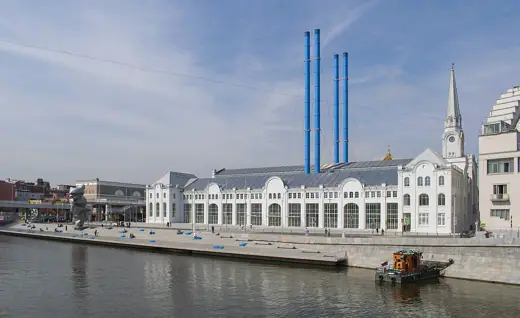 GES-2 House of Culture2021 · Moscow
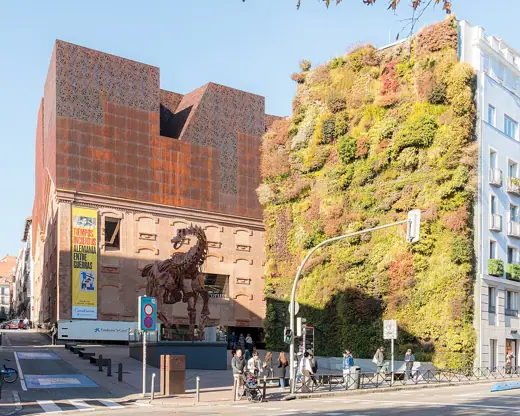 CaixaForum Madrid2008 · Madrid
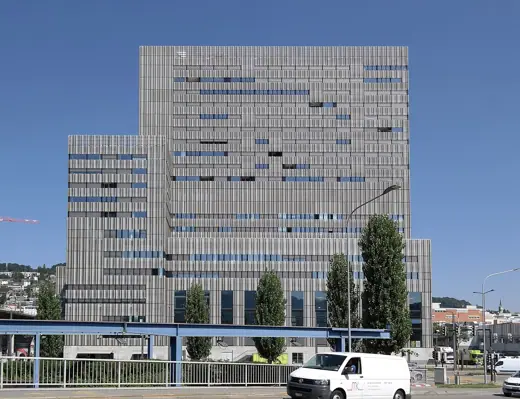 Toni-Areal2014 · Zurich
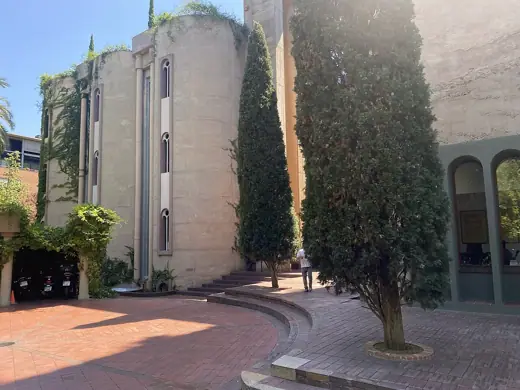 La Fábrica1975 · Sant Just Desvern
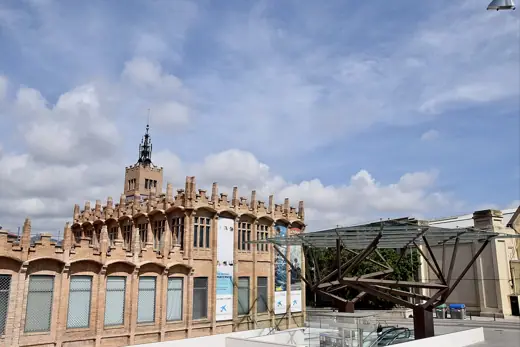 CaixaForum Barcelona2002 · Barcelona
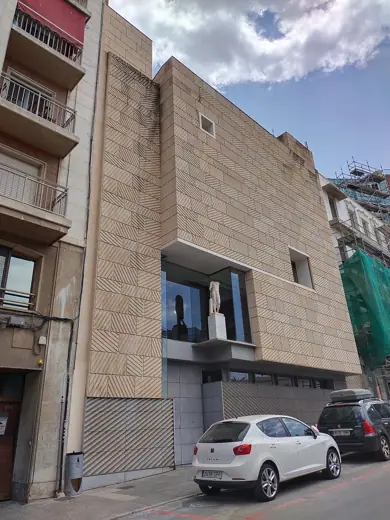 Cartagena Roman Theatre Museum2008 · Cartagena
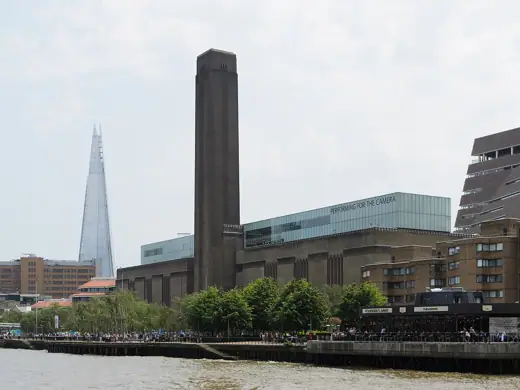 Tate Modern2000 · London
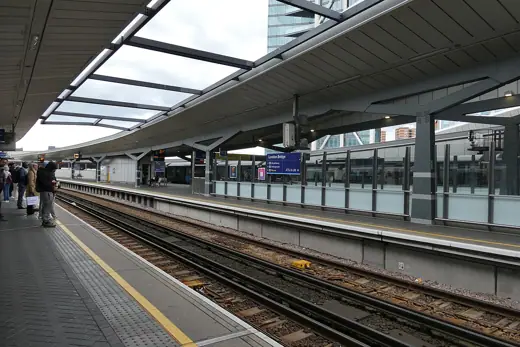 London Bridge Station2018 · London
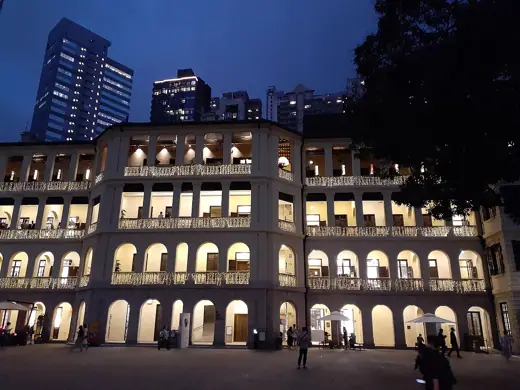 Tai Kwun2018 · Hong Kong
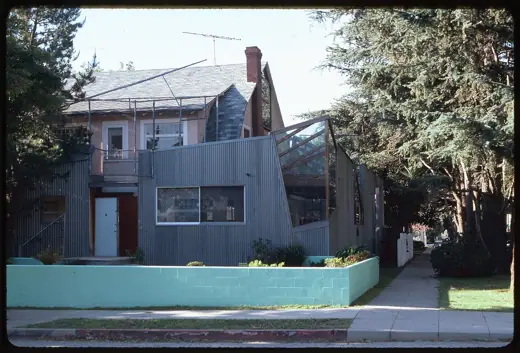 Gehry Residence1978 · Santa Monica
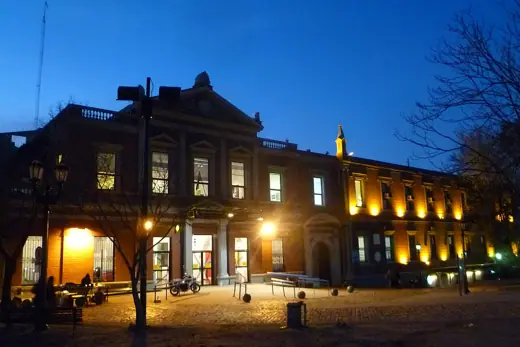 Recoleta Cultural Center1980 · Buenos Aires
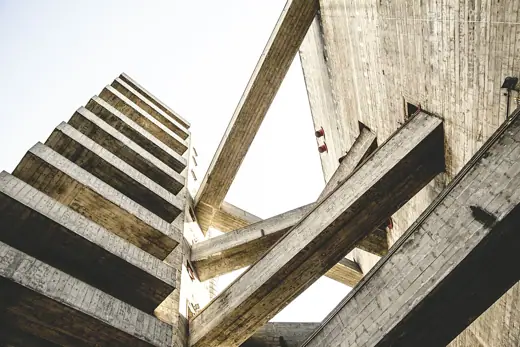 SESC Pompéia1986 · São Paulo
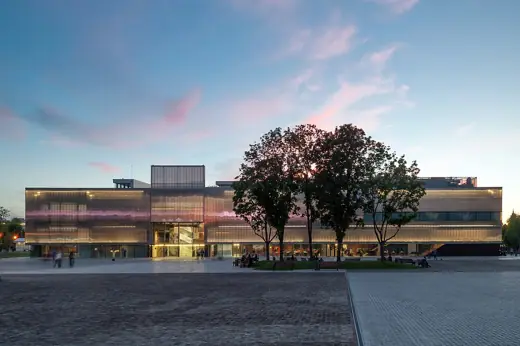 Garage Museum of Contemporary Art2015 · Moscow
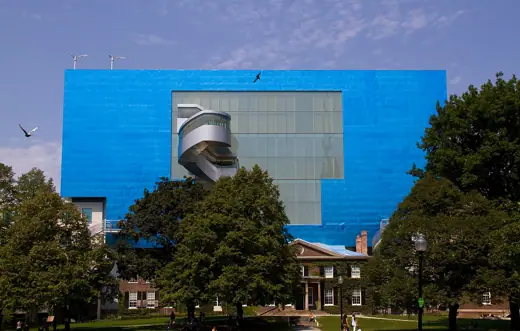 Art Gallery of Ontario2008 · Toronto
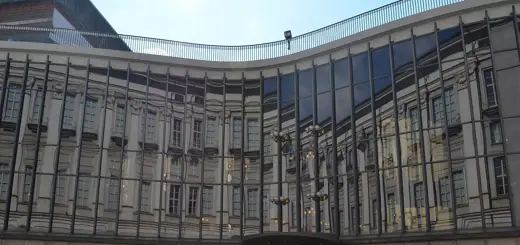 Teatro Regio1973 · Turin
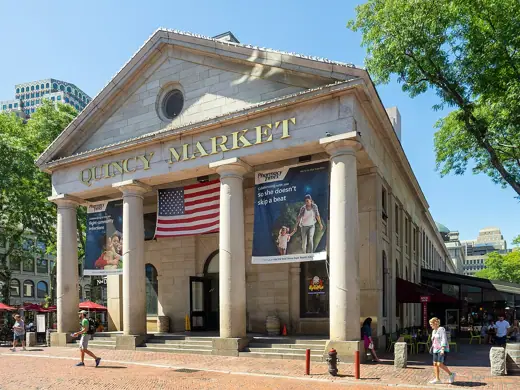 Faneuil Hall Marketplace (Quincy Market)1976 · Boston
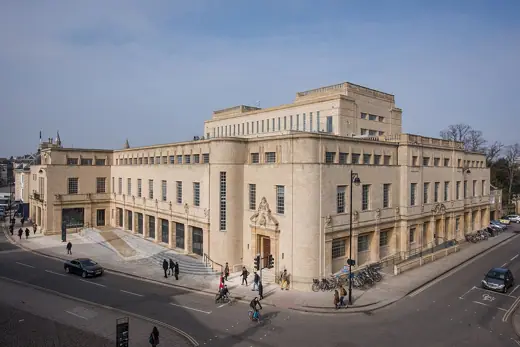 Weston Library1940 · Oxford
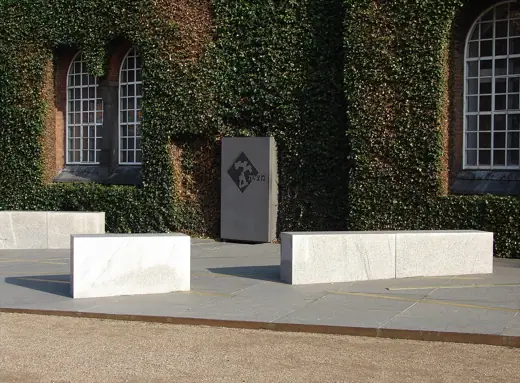 Danish Jewish Museum2004 · Copenhagen
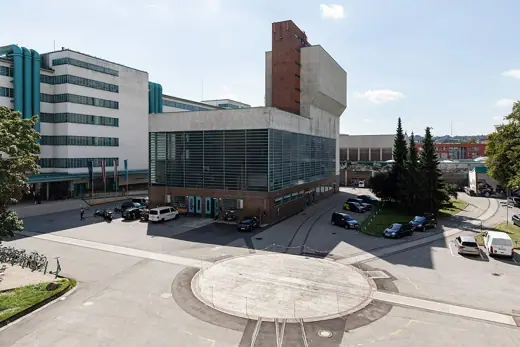 Tabakfabrik Linz1935 · Linz
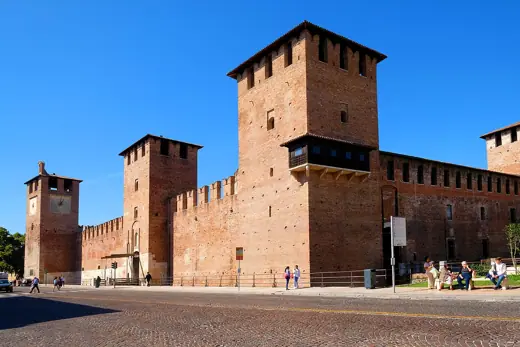 Castelvecchio Museum1975 · Verona
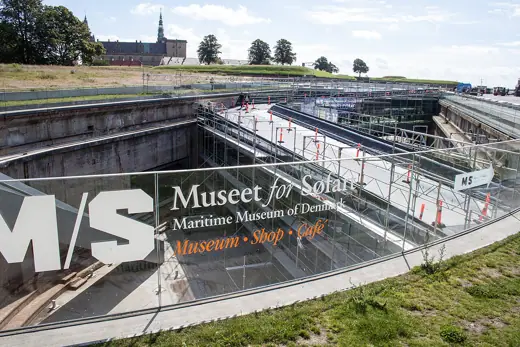 Danish Maritime Museum2013 · Helsingor
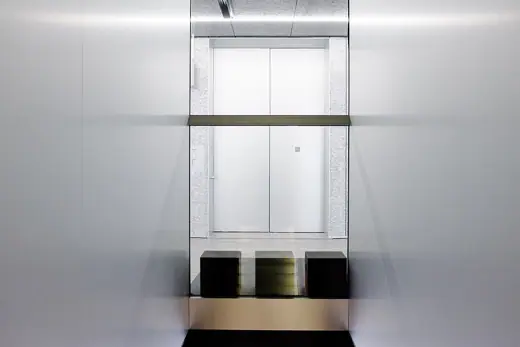 Fondazione Prada2015 · Milan
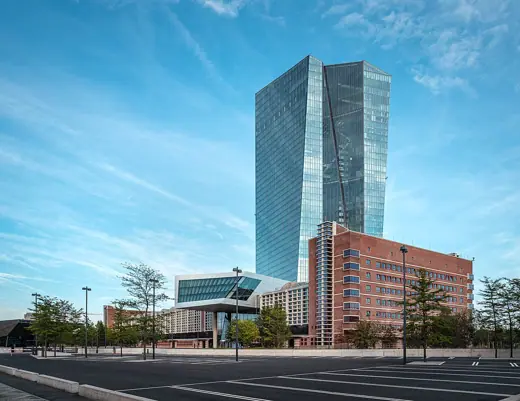 European Central Bank2014 · Frankfurt
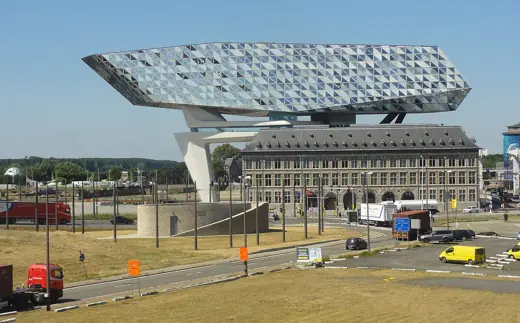 Port House2016 · Antwerp
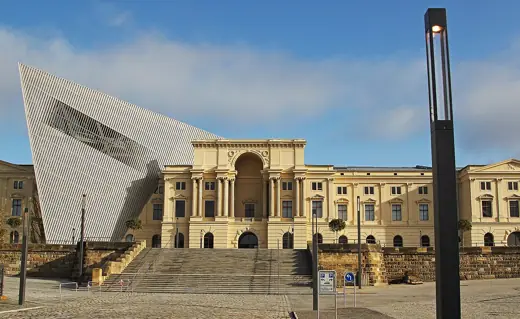 Military History Museum2011 · Dresden
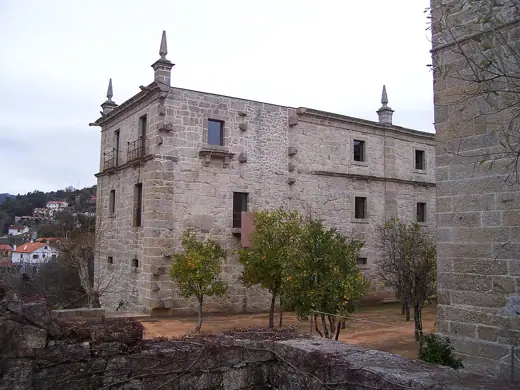 Pousada Santa Maria do Bouro1997 · Amares
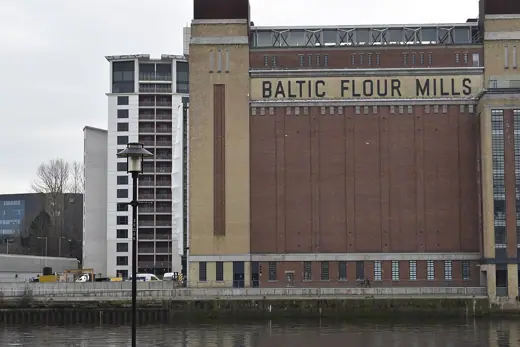 Baltic Centre for Contemporary Art2002 · Gateshead
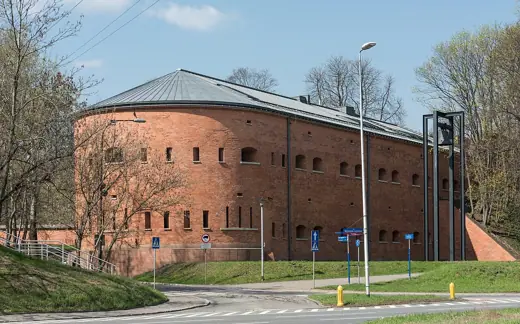 Katyń Museum2015 · Warsaw
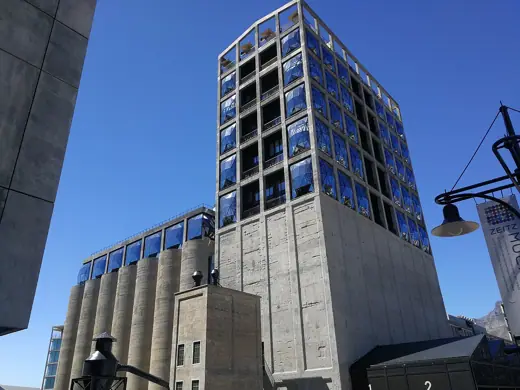 Zeitz MOCAA2017 · Cape Town
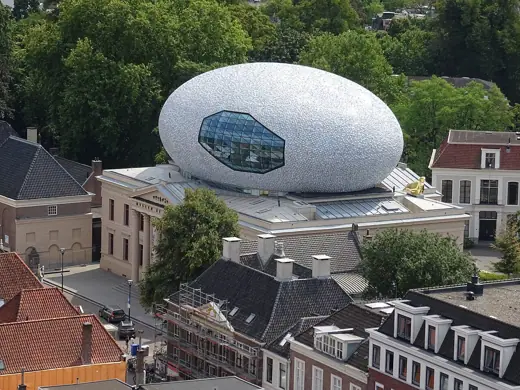 Museum de Fundatie2013 · Zwolle
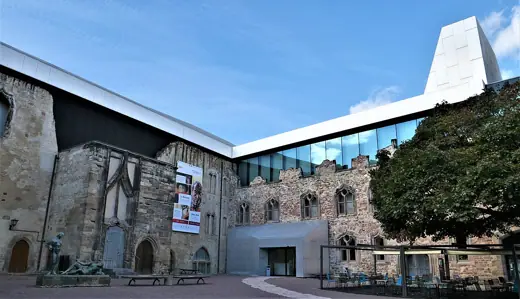 Kunstmuseum Moritzburg extension2008 · Halle
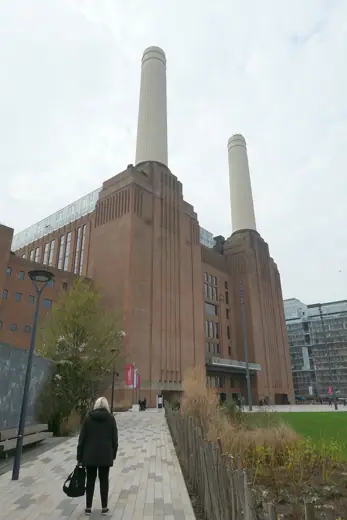 Battersea Power Station1955 · London
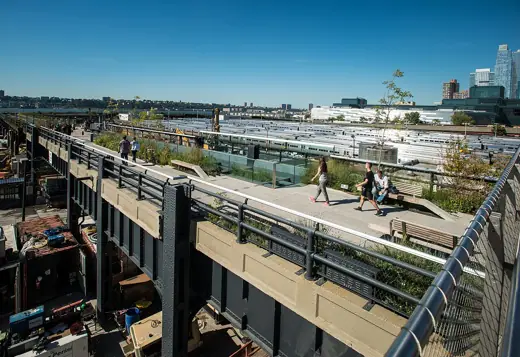 High Line2009 · New York
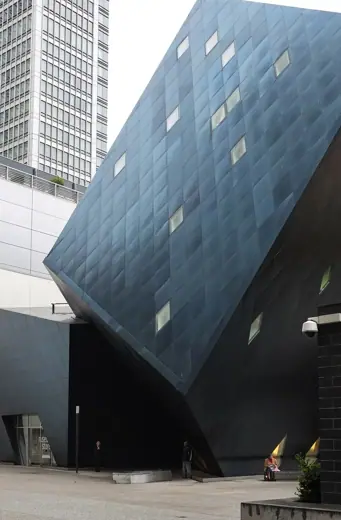 Contemporary Jewish Museum2008 · San Francisco
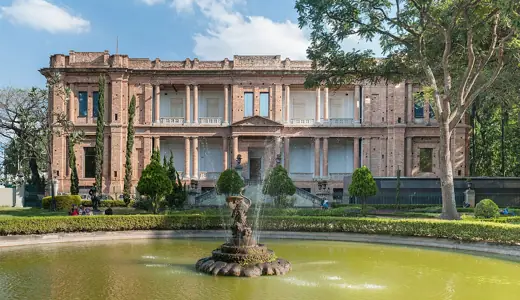 Pinacoteca do Estado de São Paulo1998 · São Paulo
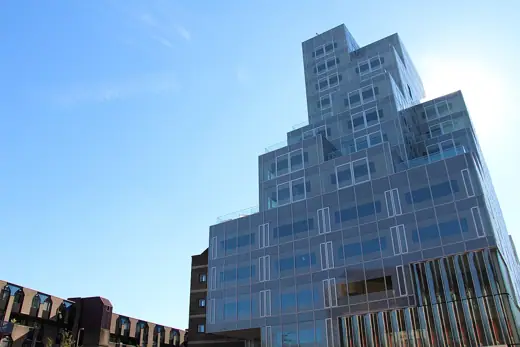 Timmerhuis2015 · Rotterdam
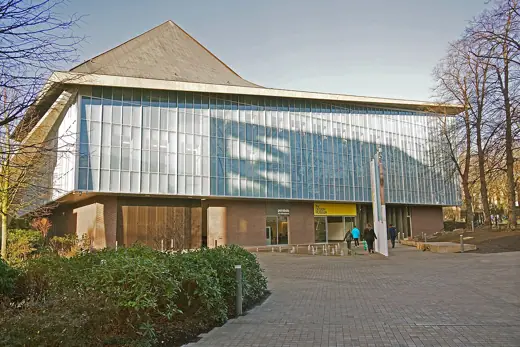 Design Museum2016 · London
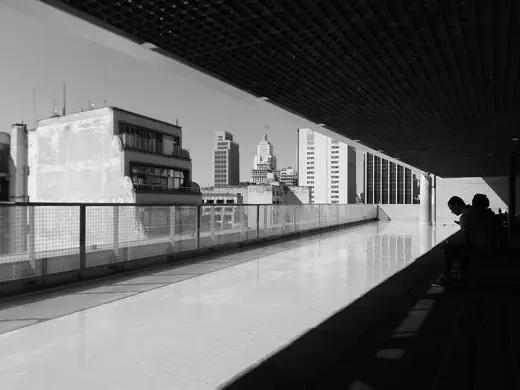 SESC 24 de Maio2017 · São Paulo
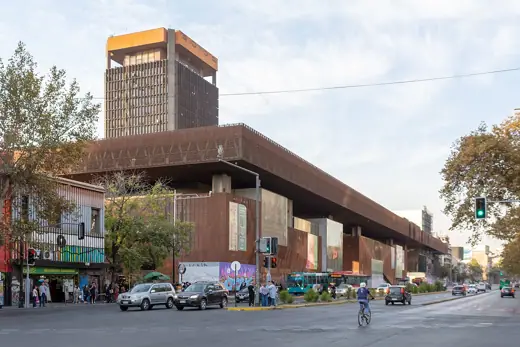 Centro Cultural Gabriela Mistral2010 · Santiago
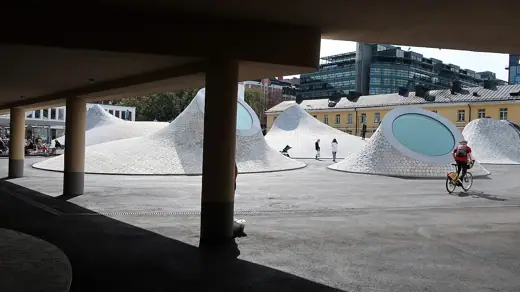 Amos Rex2018 · Helsinki
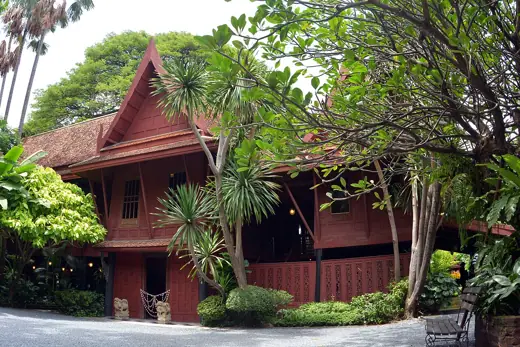 Jim Thompson House1959 · Bangkok
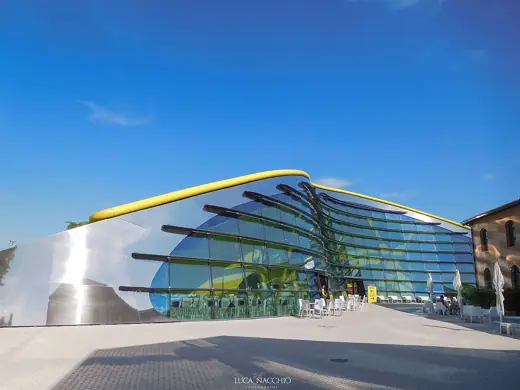 Museo Enzo Ferrari2012 · Modena
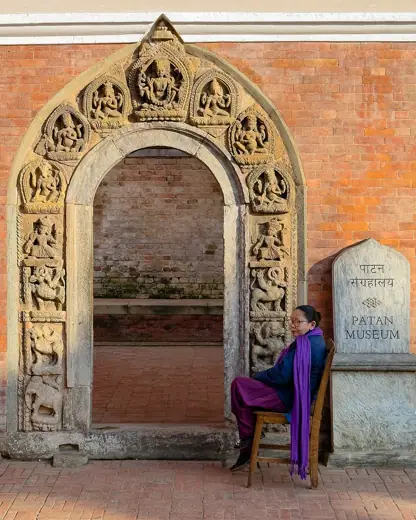 Patan Museum1997 · Lalitpur
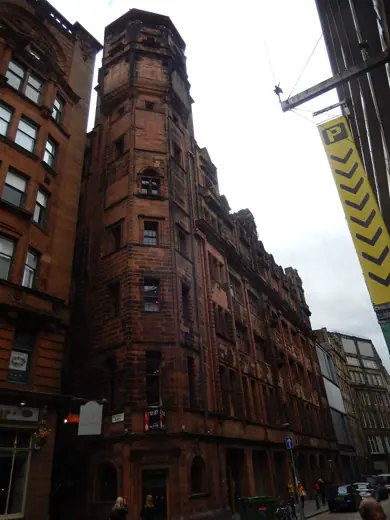 The Lighthouse (Glasgow Herald Building)1895 · Glasgow