Buildings 624
Sort
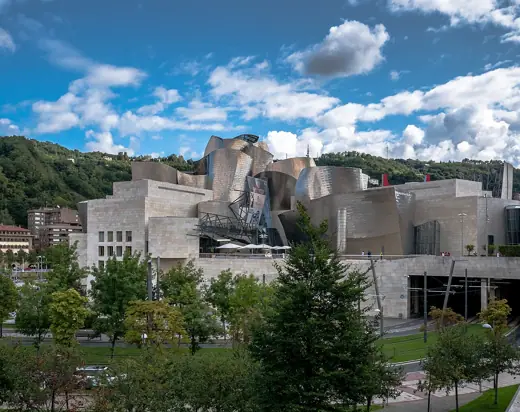 Guggenheim Bilbao1997 · Bilbao
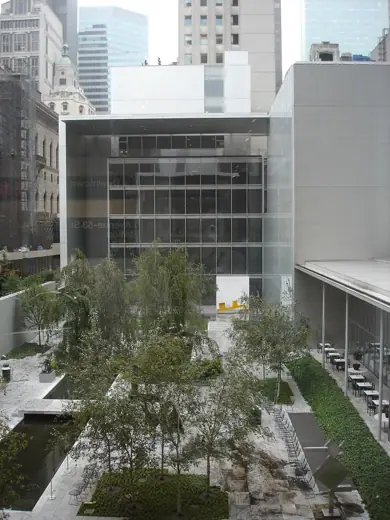 Museum of Modern Art2004 · New York
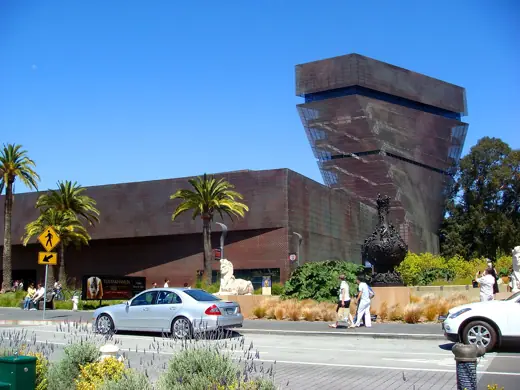 de Young Museum2005 · San Francisco
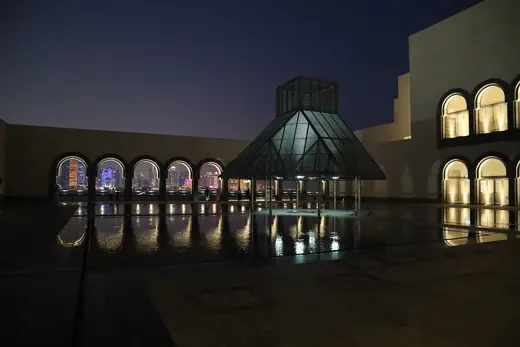 Museum of Islamic Art2008 · Doha
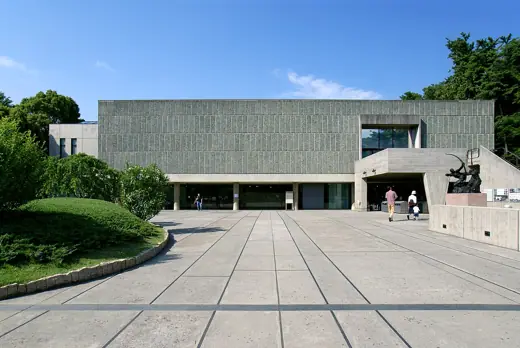 National Museum of Western Art1959 · Tokyo
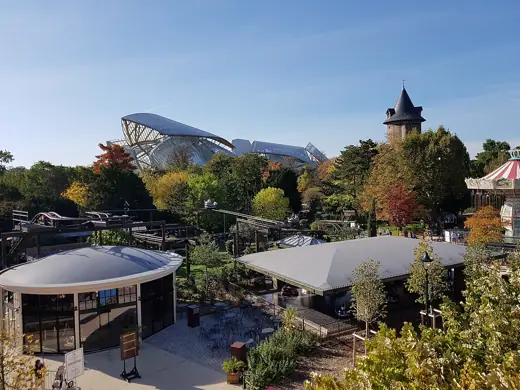 Fondation Louis Vuitton2014 · Paris
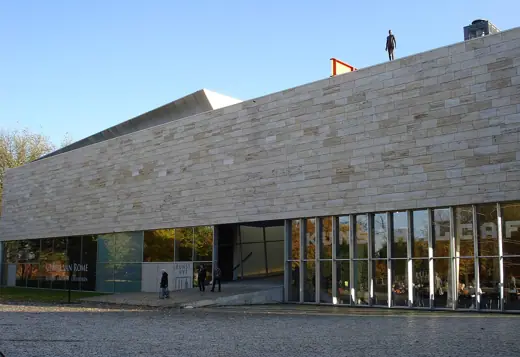 Kunsthal1992 · Rotterdam
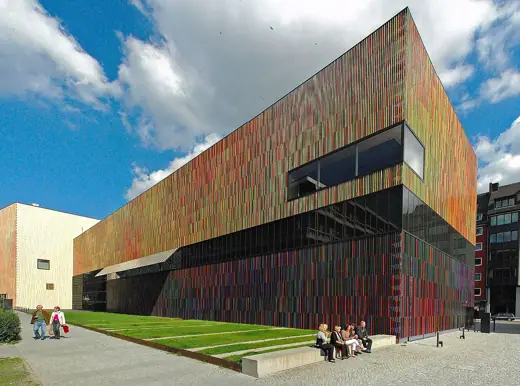 Museum Brandhorst2009 · Munich
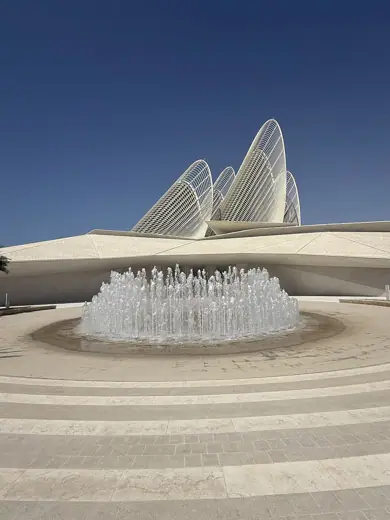 Zayed National Museum2025 · Abu Dhabi
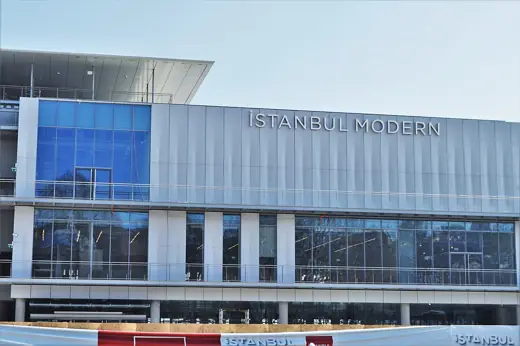 İstanbul Modern2023 · Istanbul
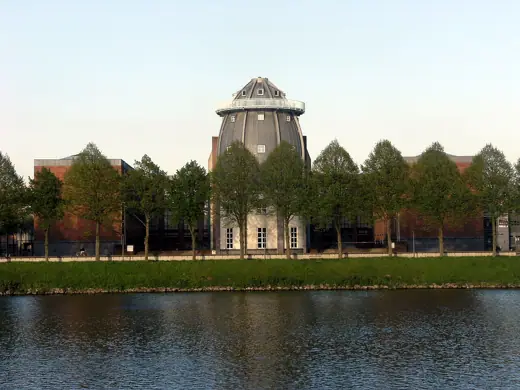 Bonnefanten Museum1995 · Maastricht
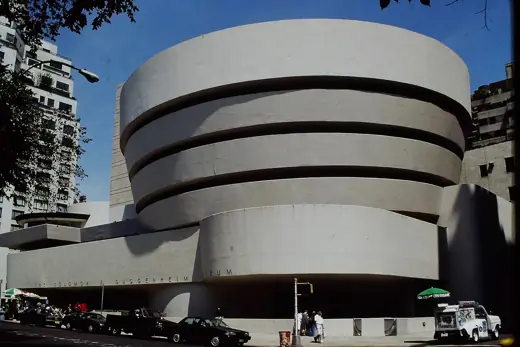 Solomon R. Guggenheim Museum1959 · New York
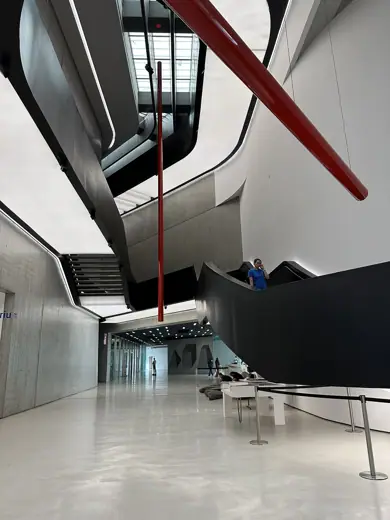 MAXXI2010 · Rome
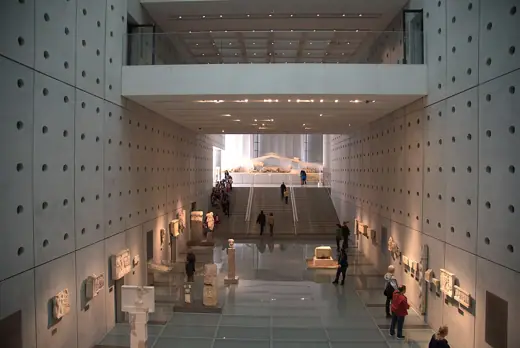 Acropolis Museum2009 · Athens
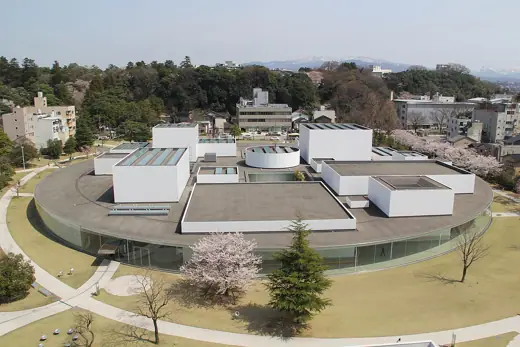 21st Century Museum of Contemporary Art, Kanazawa2004 · Kanazawa
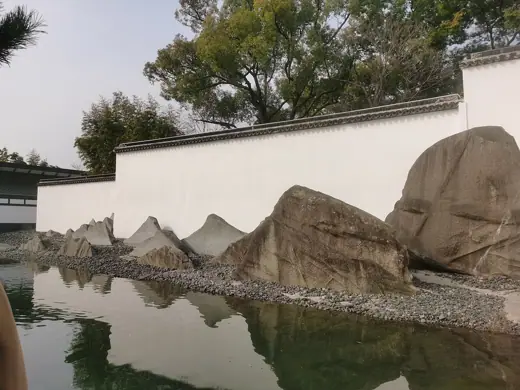 Suzhou Museum2006 · Suzhou
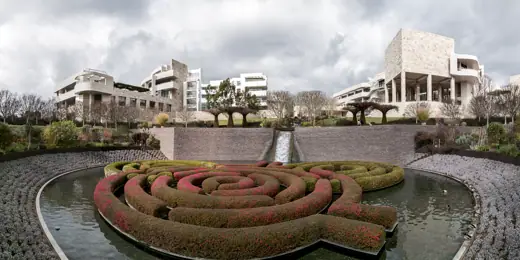 Getty Center1997 · Los Angeles
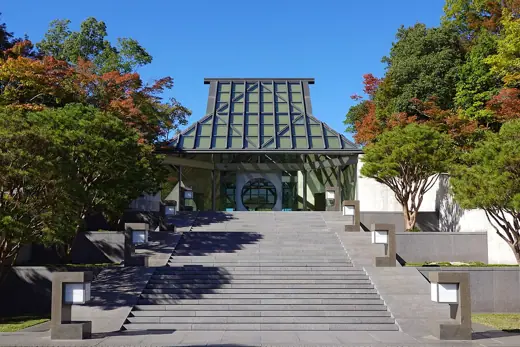 Miho Museum1997 · Koka
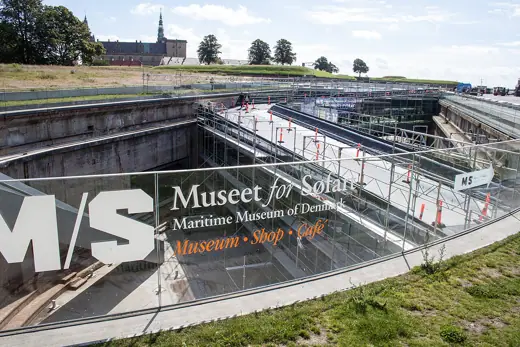 Danish Maritime Museum2013 · Helsingor
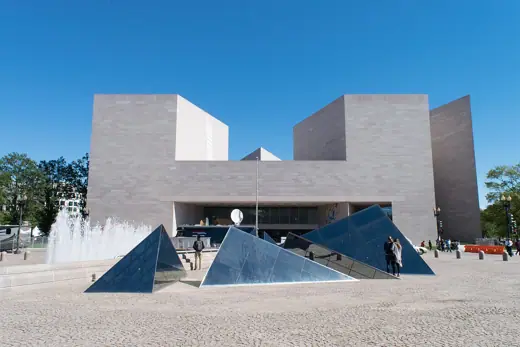 National Gallery of Art, East Building1978 · Washington
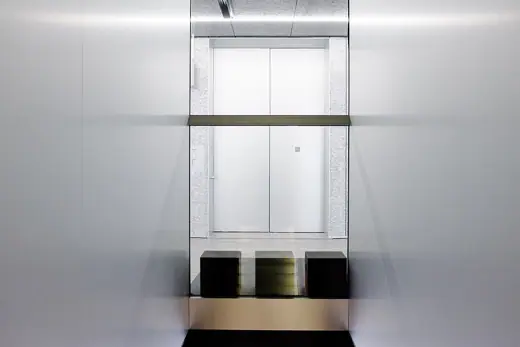 Fondazione Prada2015 · Milan
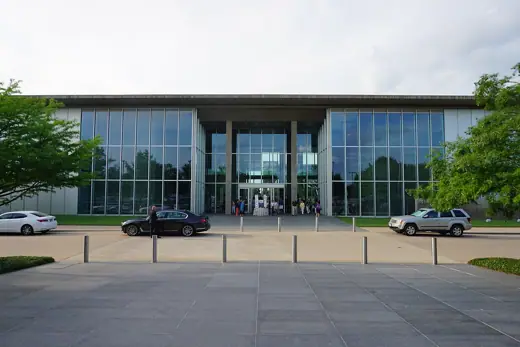 Modern Art Museum of Fort Worth2002 · Fort Worth
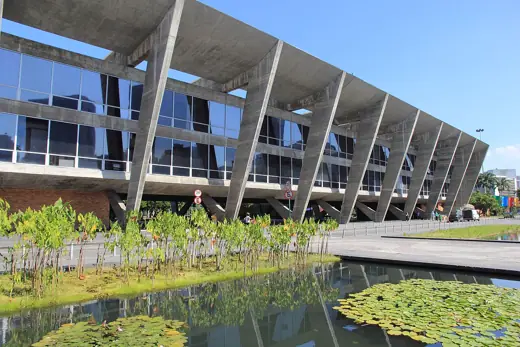 Museum of Modern Art, Rio de Janeiro1967 · Rio de Janeiro
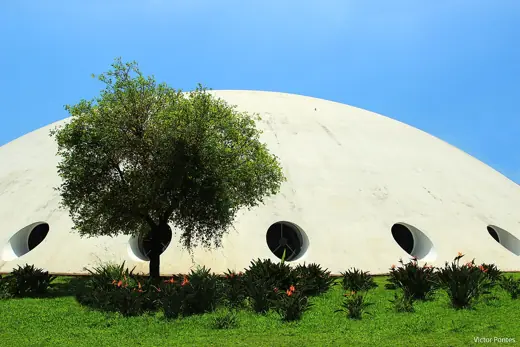 Oca, Ibirapuera Park1954 · São Paulo
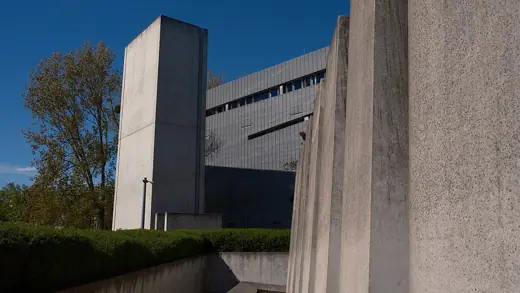 Jewish Museum Berlin2001 · Berlin
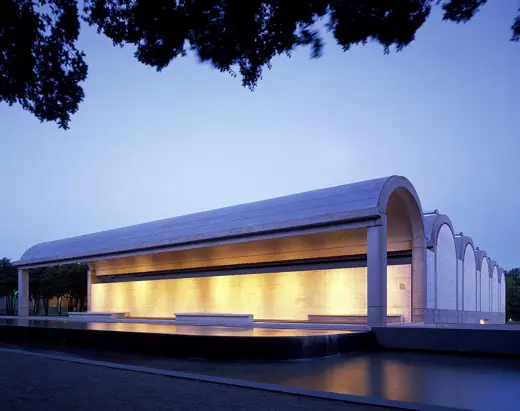 Kimbell Art Museum1972 · Fort Worth
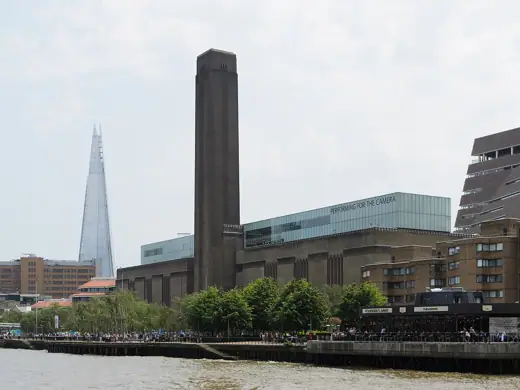 Tate Modern2000 · London
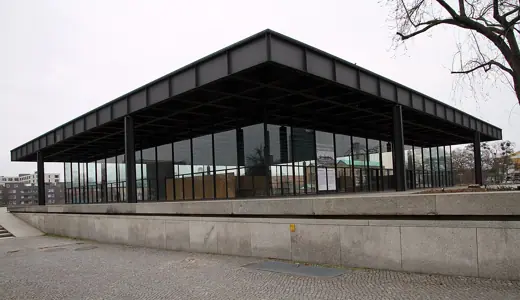 Neue Nationalgalerie1968 · Berlin
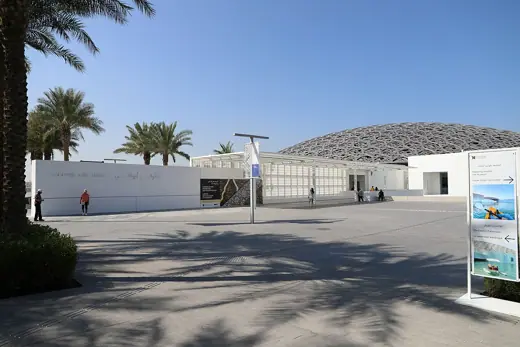 Louvre Abu Dhabi2017 · Abu Dhabi
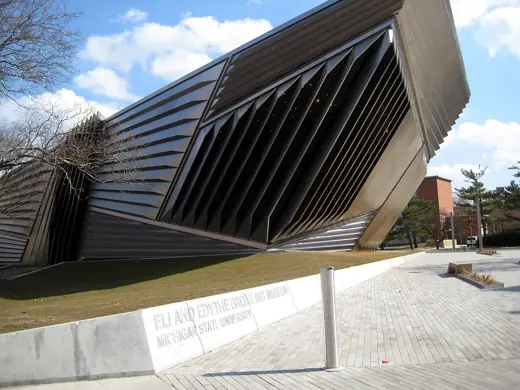 Eli and Edythe Broad Art Museum2012 · East Lansing
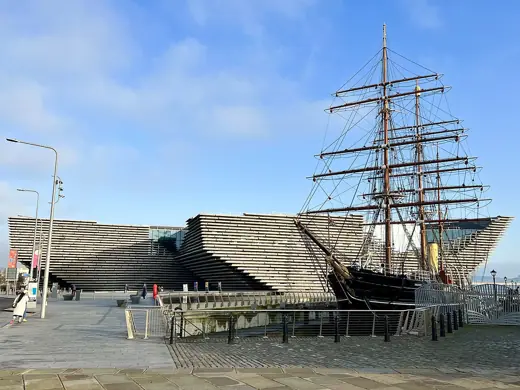 V&A Dundee2018 · Dundee
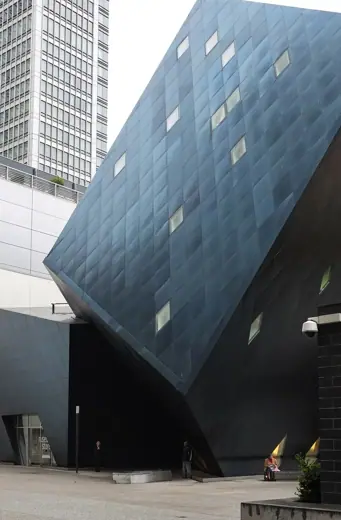 Contemporary Jewish Museum2008 · San Francisco
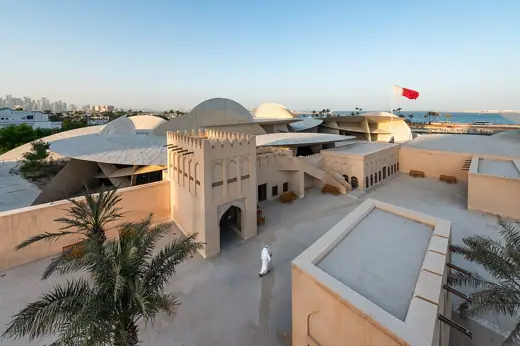 National Museum of Qatar2019 · Doha
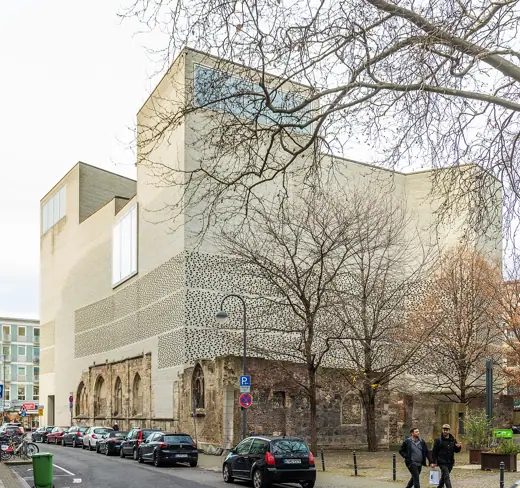 Kolumba Museum2007 · Cologne
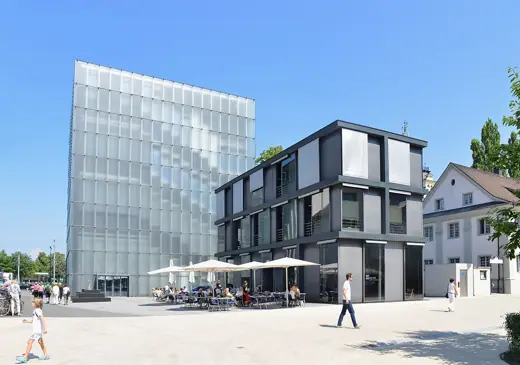 Kunsthaus Bregenz1997 · Bregenz
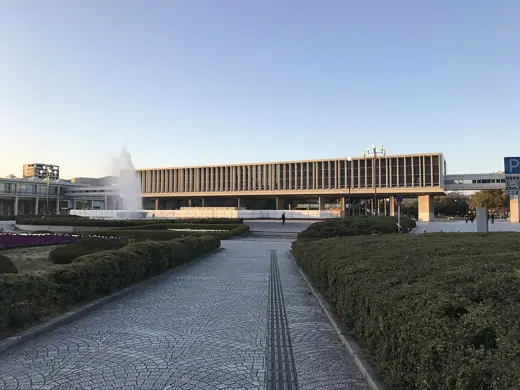 Hiroshima Peace Memorial Museum1955 · Hiroshima
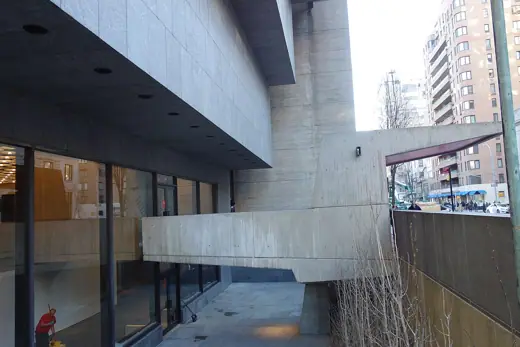 Breuer Building1966 · New York
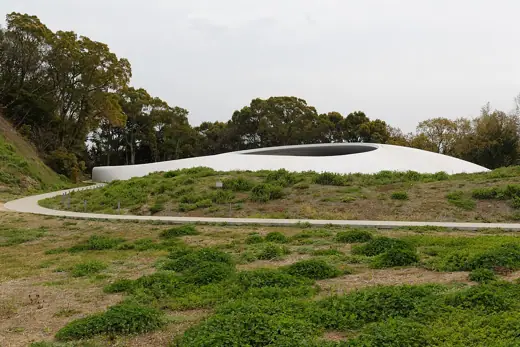 Teshima Art Museum2010 · Teshima
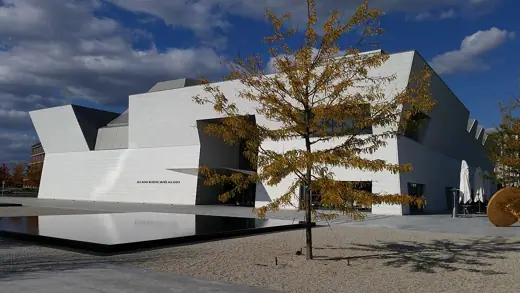 Aga Khan Museum2014 · Toronto
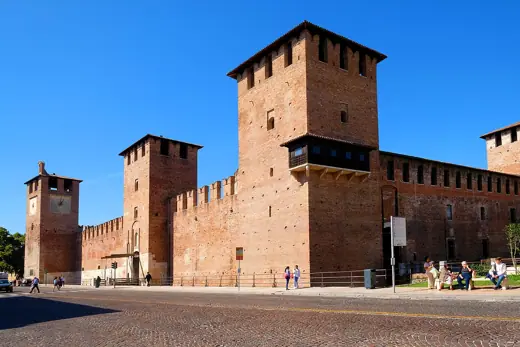 Castelvecchio Museum1975 · Verona
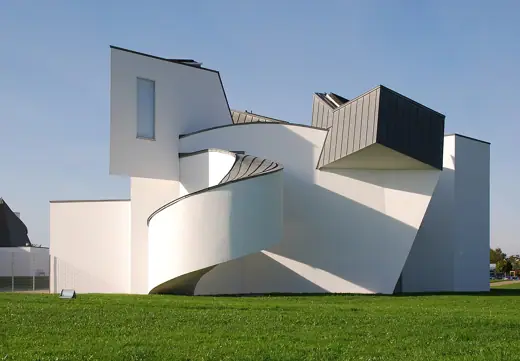 Vitra Design Museum1989 · Weil am Rhein
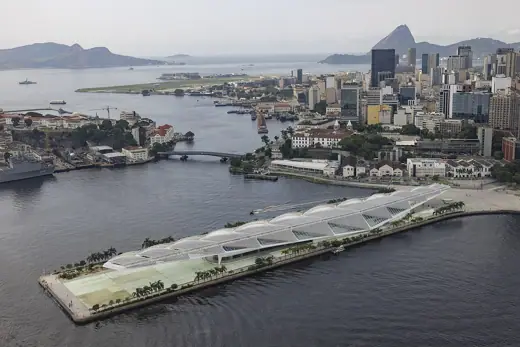 Museum of Tomorrow2015 · Rio de Janeiro
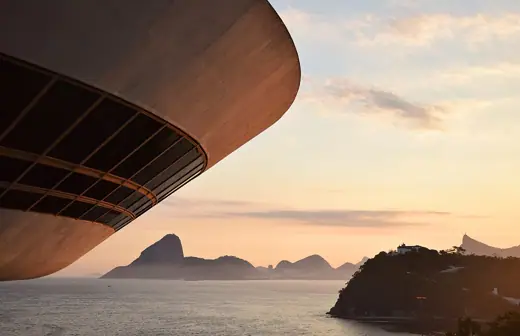 Niterói Contemporary Art Museum1996 · Niterói
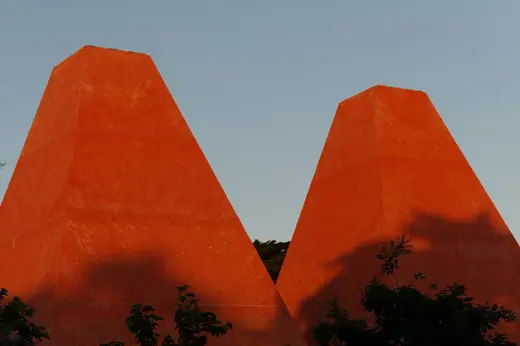 Casa das Histórias Paula Rego2009 · Cascais
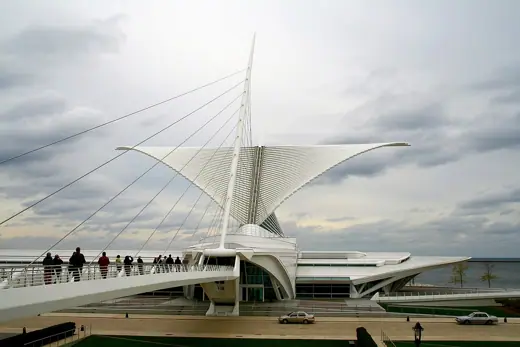 Milwaukee Art Museum, Quadracci Pavilion2001 · Milwaukee
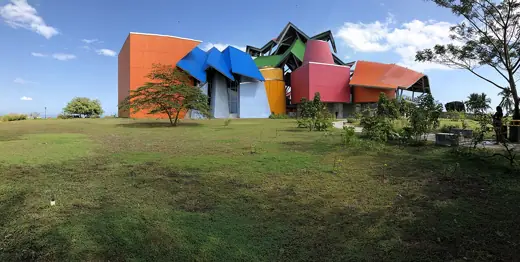 Biomuseo2014 · Panama City
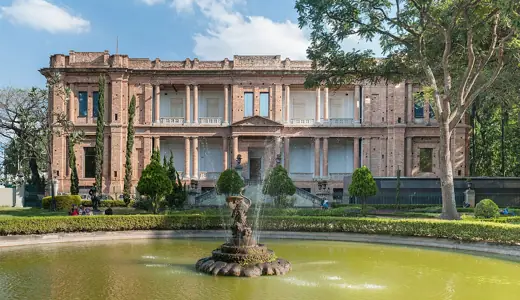 Pinacoteca do Estado de São Paulo1998 · São Paulo
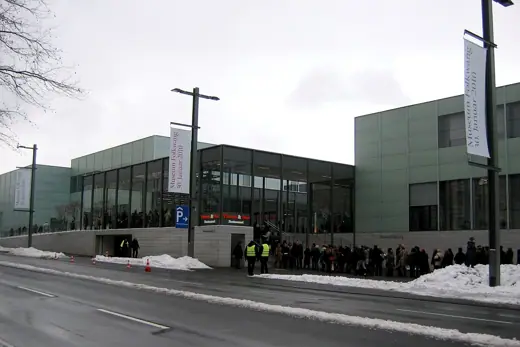 Museum Folkwang2010 · Essen