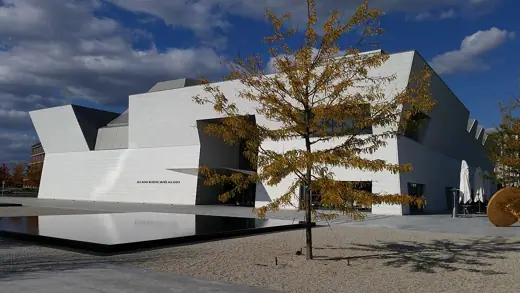
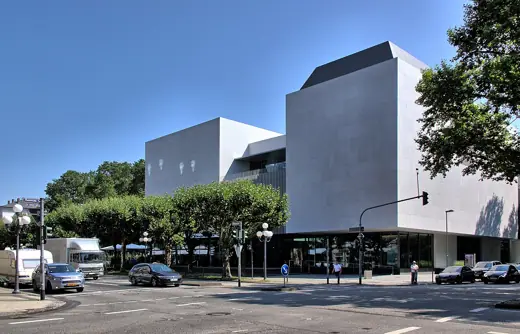
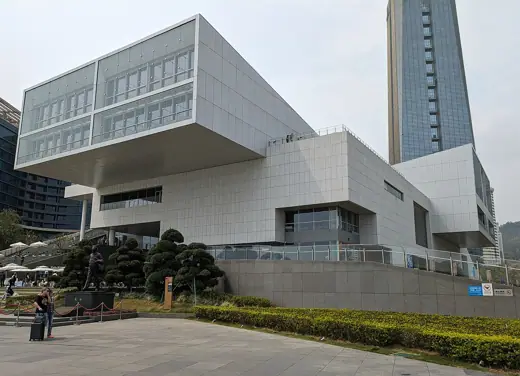
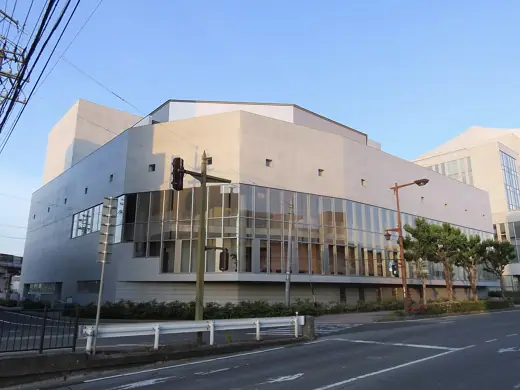
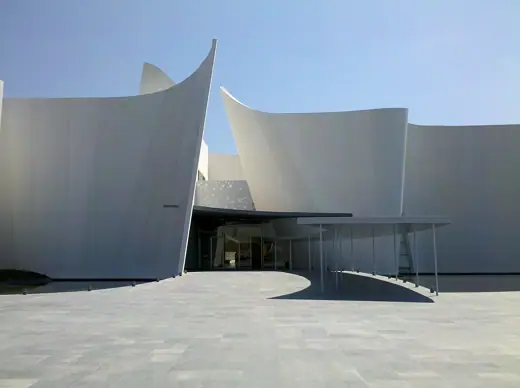
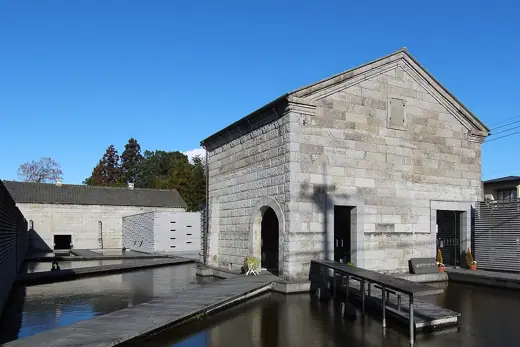
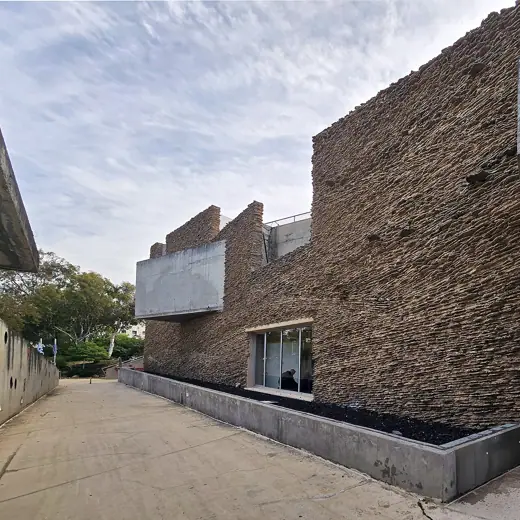
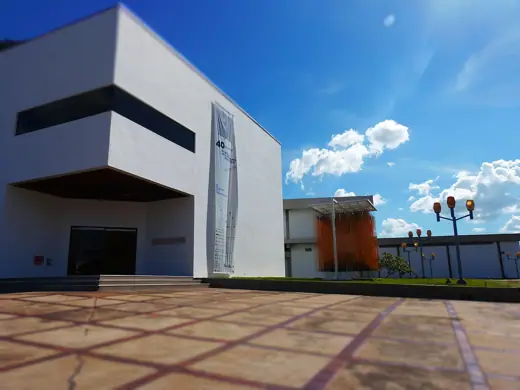
1/6 · Exterior · Aga Khan Museum in Toronto: Exterior shotPhoto: JohnOyston · CC BY-SA 4.0 · source2/6 · Exterior · Aga Khan Museum, Toronto, CanadaPhoto: Mardetanha · CC BY-SA 4.0 · source3/6 · Exterior · Aga Khan Museum, Toronto, CanadaPhoto: Mardetanha · CC BY-SA 4.0 · source4/6 · Exterior · The Aga Khan Museum, designed by Fumihiko MakiPhoto: Rick Ligthelm from Rotterdam, The Netherlands · CC BY 2.0 · source5/6 · Interior · Interior view of the Aga Khan Museum - Toronto, CanadaPhoto: Daderot · CC0 · source6/6 · Interior · Interior view of the Aga Khan Museum - Toronto, CanadaPhoto: Daderot · CC0 · source
The Aga Khan Museum is a museum of Islamic art located in the North York district of Toronto, Ontario, Canada. The museum is dedicated to Islamic art and objects, and it houses approximately 1,200 rare objects assembled by Shah Karim al-Husayni and Prince Sadruddin Aga Khan. As an initiative of the Aga Khan Trust for Culture, an agency of the Aga Khan Development Network, the museum is dedicated to promoting understanding of Muslim cultures and their connection with other cultures through the arts. In addition to the Permanent Collection, the Aga Khan Museum features several temporary exhibitions each year that respond to current scholarship, emerging themes, and new artistic developments. The Museum Collection and exhibitions are complemented by educational programmes and performing arts events.
Designed by Pritzker Prize-winning architect Fumihiko Maki, the Aga Khan Museum shares a 6.8-hectare (17-acre) site with Toronto's Ismaili Centre, which was designed by Indian architect Charles Correa. The surrounding landscaped park was created by landscape architect Vladimir Djurovic and is a contemporary interpretation of the Islamic courtyard—the Charbaag.
The museum is home to galleries, exhibition spaces, classrooms, a reference library, an auditorium, and a restaurant. It houses a permanent collection of over 1,000 objects representing a broad range of artistic styles and materials from more than ten centuries of human history.