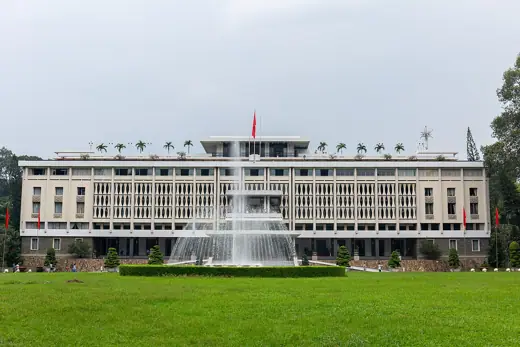
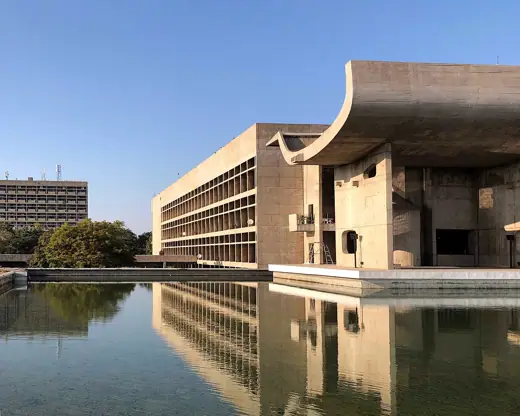
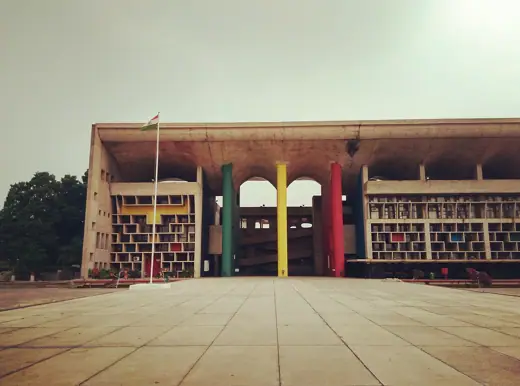
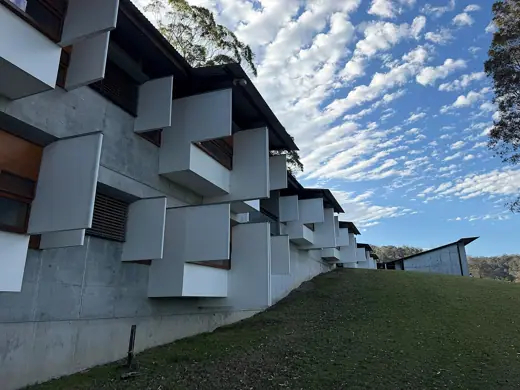
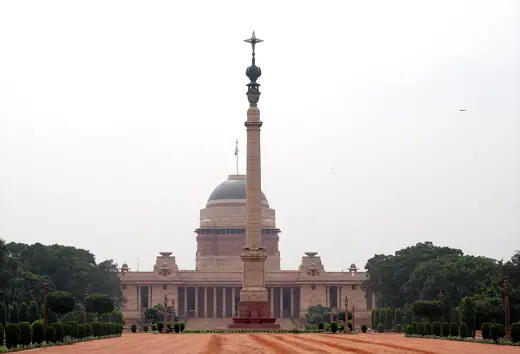
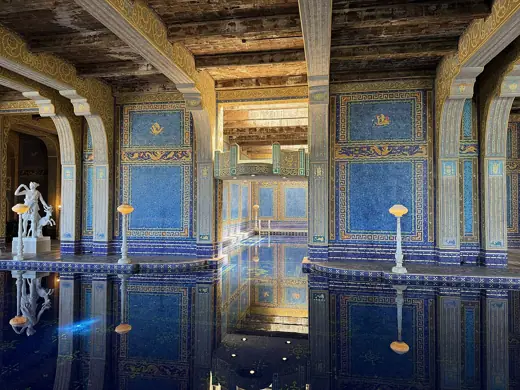
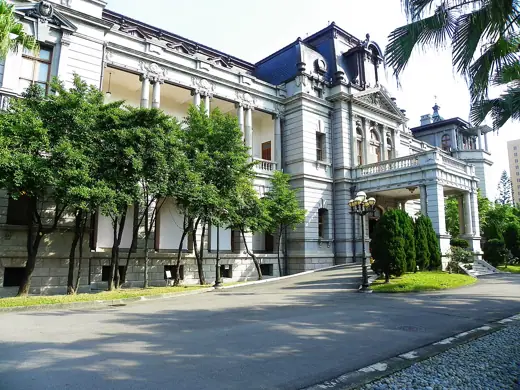
1/4 · Exterior · The view of the front of Independence Palace in Ho Chi Minh City in VietnamPhoto: Balon Greyjoy · CC0 · source2/4 · Exterior · Reunification Palace, Ho Chi Minh City, VietnamPhoto: Diego Delso · CC BY-SA 3.0 · source3/4 · Exterior · Reunification Palace, Ho Chi Minh City, VietnamPhoto: Diego Delso · CC BY-SA 3.0 · source4/4 · Exterior · Entrance building to the Independence Palace, Ho Chi Minh CityPhoto: Matti Blume · CC BY-SA 4.0 · source
The Independence Palace (Vietnamese: Dinh Độc Lập), also publicly and officially known as the Reunification Convention Hall or simply Reunification Hall (Vietnamese: Hội trường Thống Nhất), is a historic landmark and government-owned public hall in Ho Chi Minh City (formerly known as Saigon), Vietnam. It was designed by architect Ngô Viết Thụ and was the presidential palace, home and workplace of the president of the Republic of Vietnam (South Vietnam). It was also the site of the Fall of Saigon on 30 April 1975 that ended the Vietnam War, when a Liberation Army of South Vietnam tank crashed through its gates.
After the reunification of Vietnam, the building continued to serve as a government and presidential office until 1976 when the capital of South Vietnam was officially moved to Hanoi, and the government's functions were relocated. The palace is now preserved as a convention hall for state events, and also as a museum that is open to the public, and is a popular tourist attraction in Ho Chi Minh City.