Buildings 51
Sort
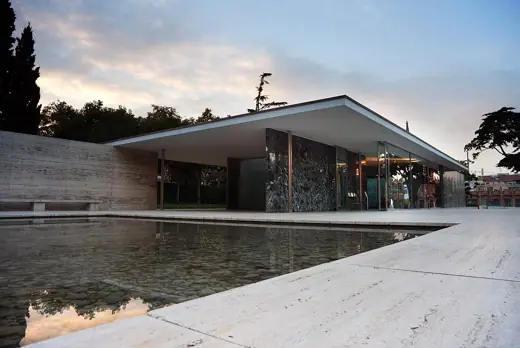 Barcelona Pavilion1929 · Barcelona
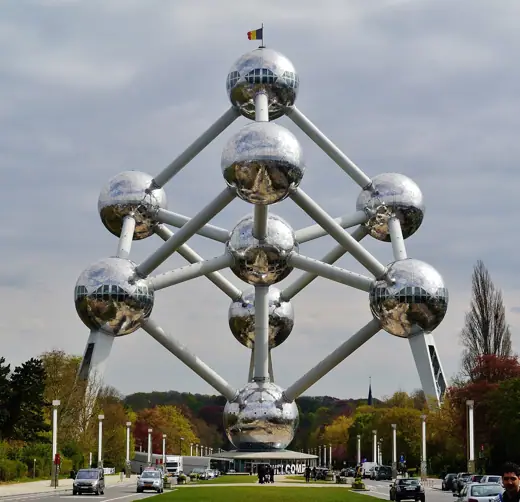 Atomium1958 · Brussels
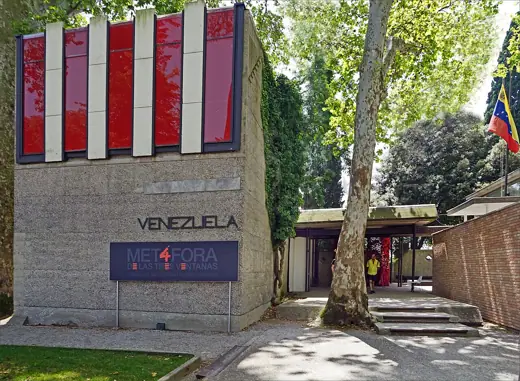 Venezuela Pavilion, Venice Biennale1956 · Venice
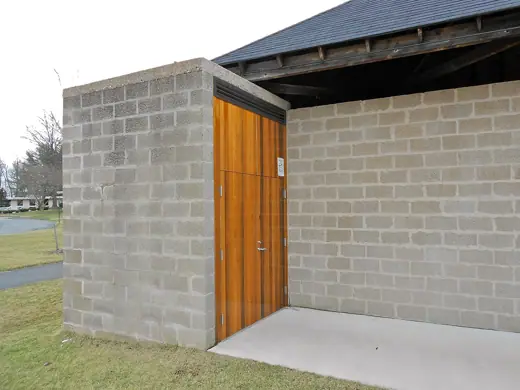 Trenton Bath House1955 · Ewing
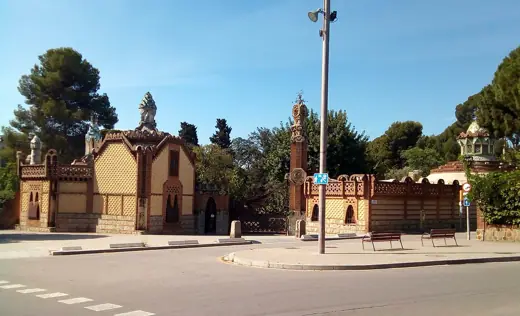 Güell Pavilions1887 · Barcelona
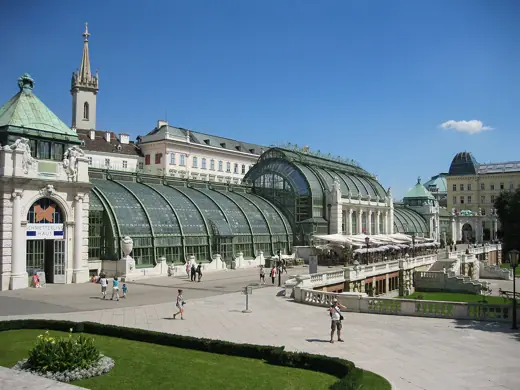 Palmenhaus, Burggarten1906 · Vienna
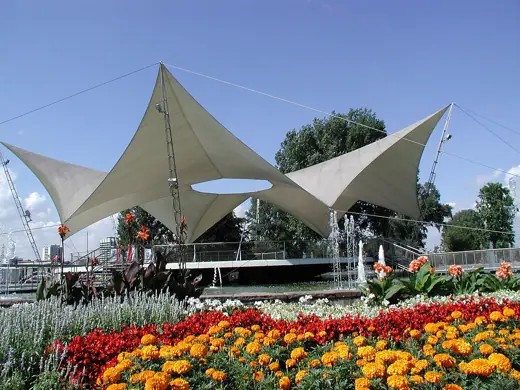 Tanzbrunnen (Star Wave Tent)1957 · Cologne
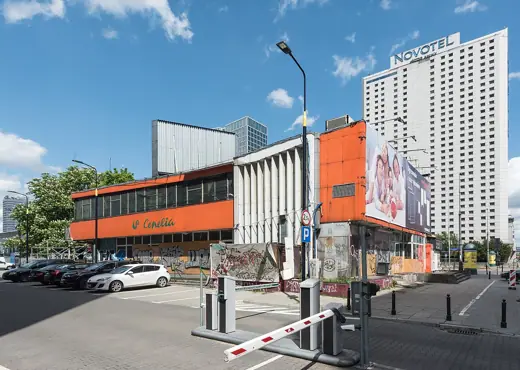 Cepelia Pavilion1966 · Warsaw
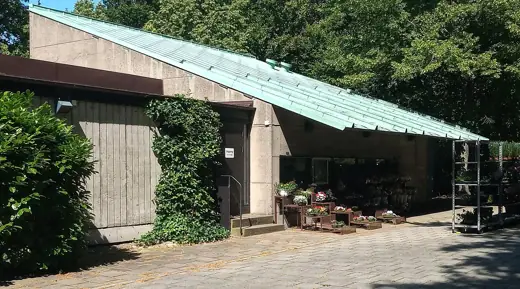 Flower Kiosk, Malmö Eastern Cemetery1969 · Malmö
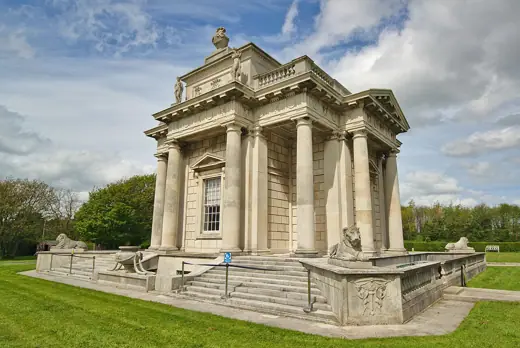 Casino at Marino1775 · Dublin
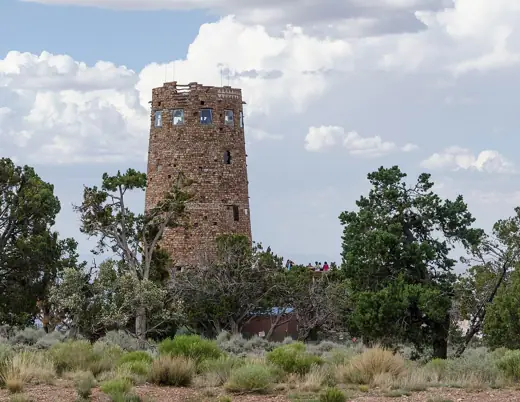 Desert View Watchtower1932 · Grand Canyon National Park
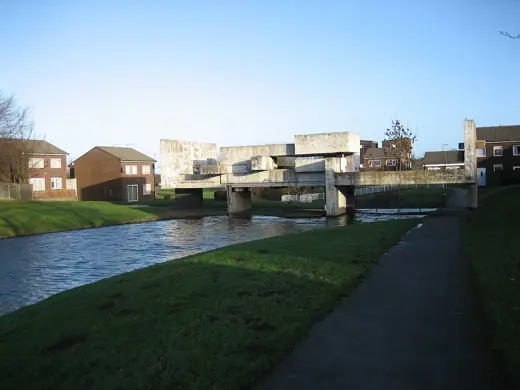 Apollo Pavilion1969 · Peterlee
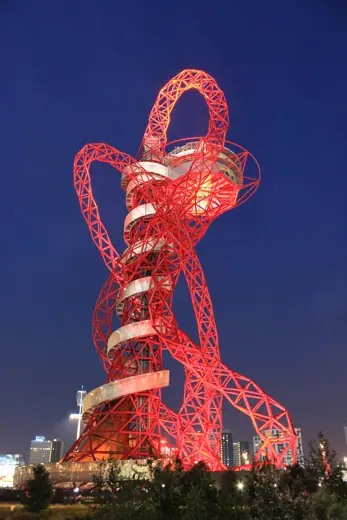 ArcelorMittal Orbit2012 · London
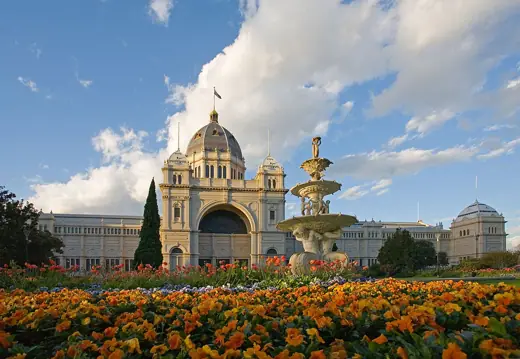 Royal Exhibition Building1880 · Melbourne
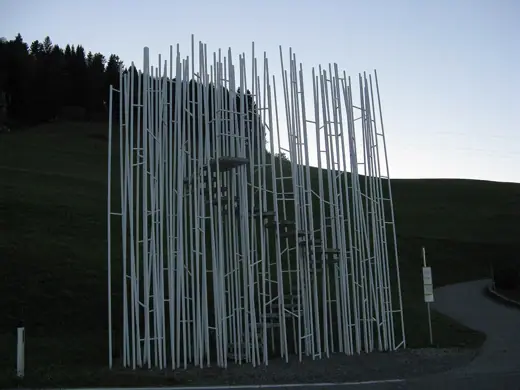 BUS:STOP Krumbach2014 · Krumbach
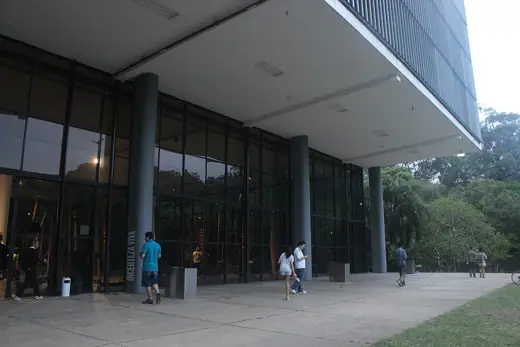 Bienal Pavilion (Pavilhão Ciccillo Matarazzo)1954 · São Paulo
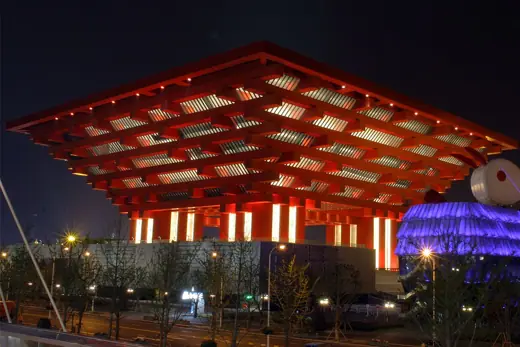 China Pavilion, Expo 20102010 · Shanghai
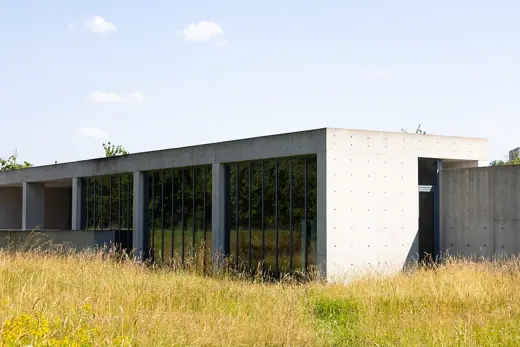 Vitra Conference Pavilion1993 · Weil am Rhein
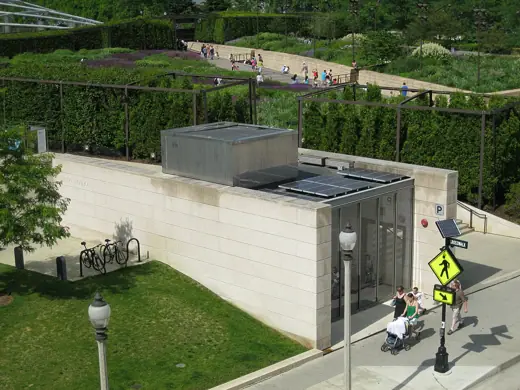 Exelon Pavilions2004 · Chicago
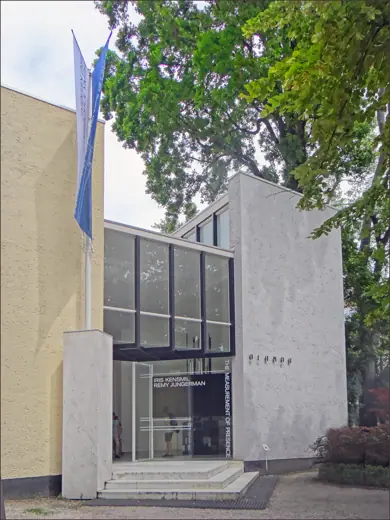 Dutch Pavilion, Venice Biennale1954 · Venice
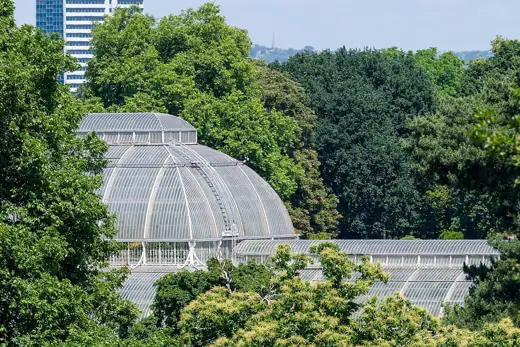 Palm House, Kew Gardens1848 · London
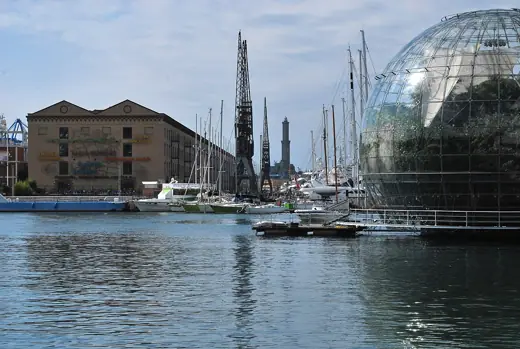 Biosphere (Bigo)2001 · Genoa
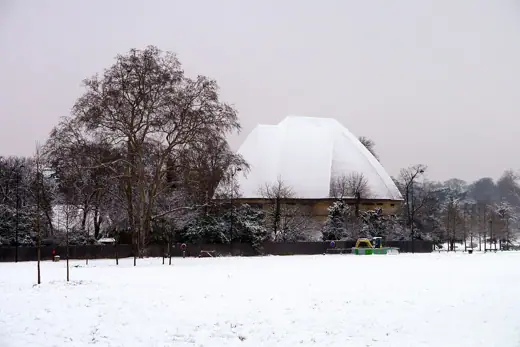 Pagode de Vincennes1931 · Paris
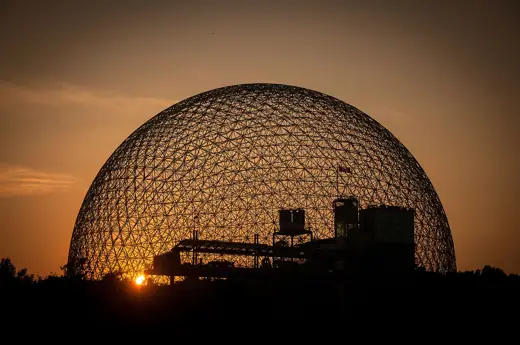 Montreal Biosphère1967 · Montreal
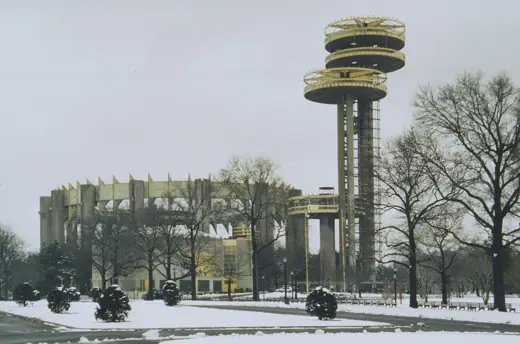 New York State Pavilion1964 · New York City
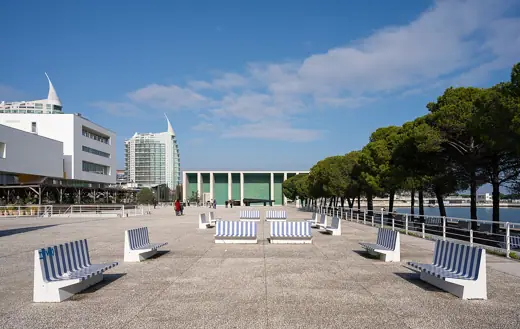 Portugal Pavilion1998 · Lisbon
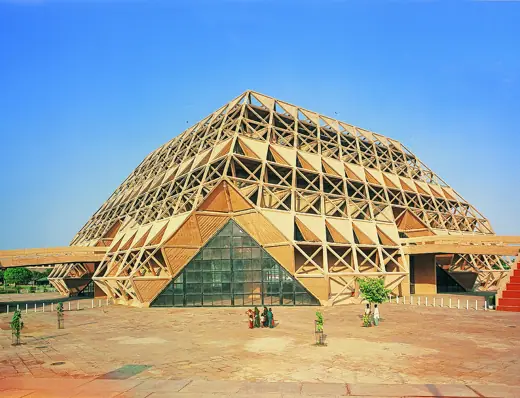 Hall of Nations1972 · New Delhi
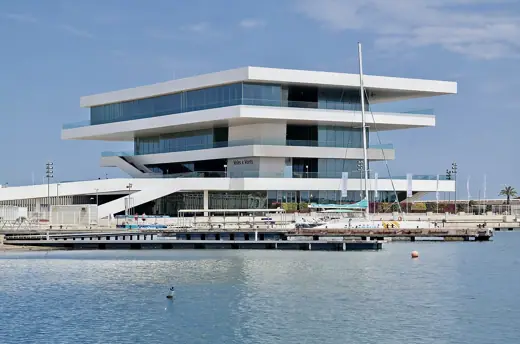 Veles e Vents2006 · Valencia
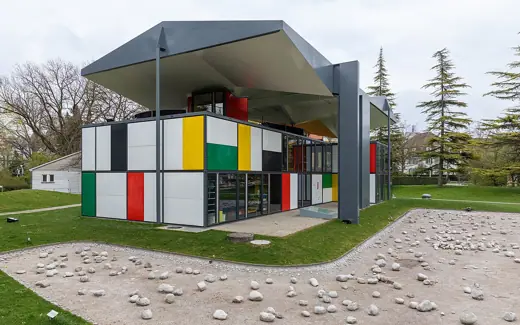 Pavillon Le Corbusier1967 · Zurich
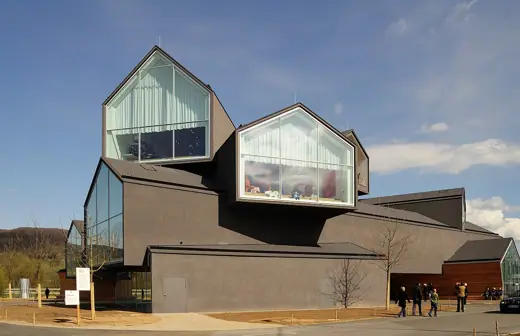 VitraHaus2010 · Weil am Rhein
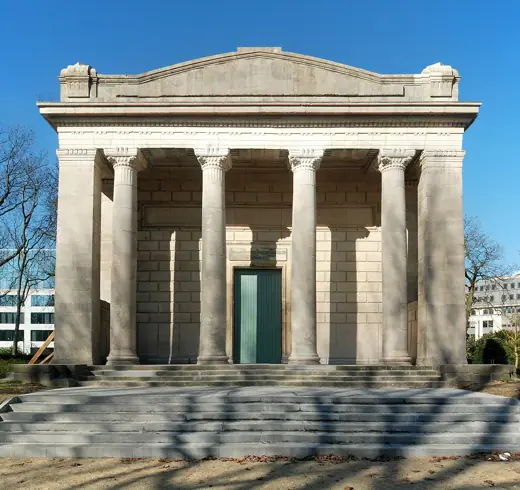 Pavilion of Human Passions1897 · Brussels
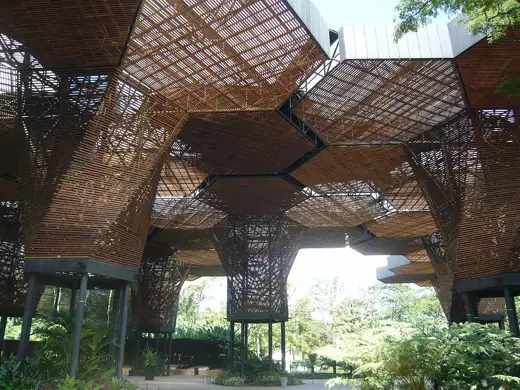 Orquideorama, Medellín Botanical Garden2006 · Medellín
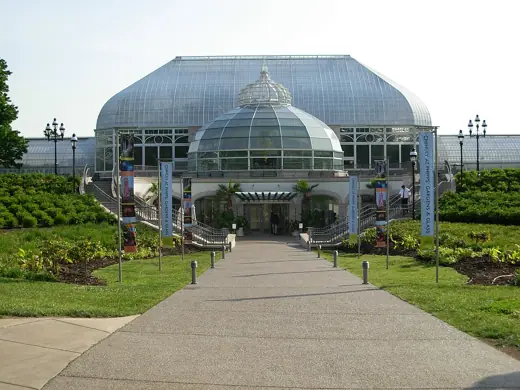 Phipps Conservatory1893 · Pittsburgh
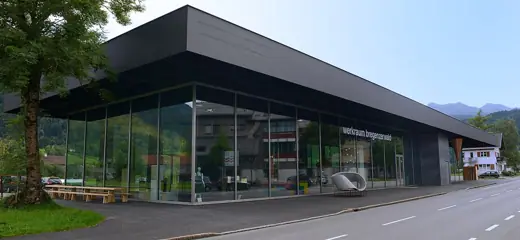 Werkraum Haus2013 · Andelsbuch
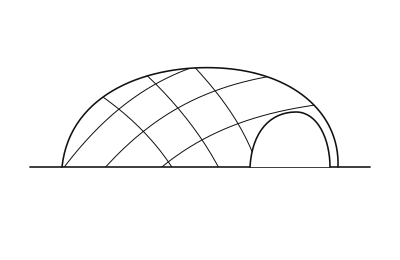 ICD/ITKE Research Pavilion 20122012 · Stuttgart
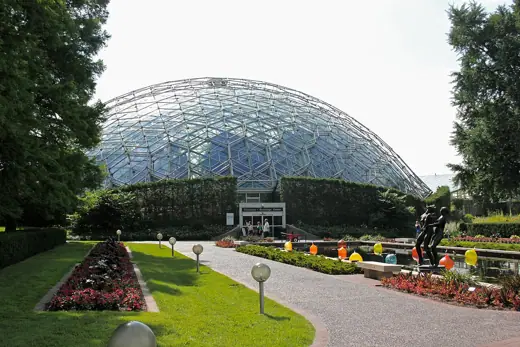 Climatron1960 · St. Louis
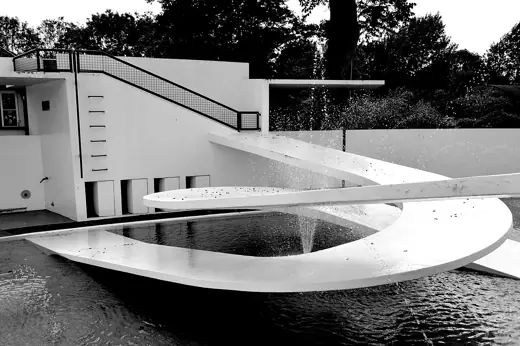 Penguin Pool, London Zoo1934 · London
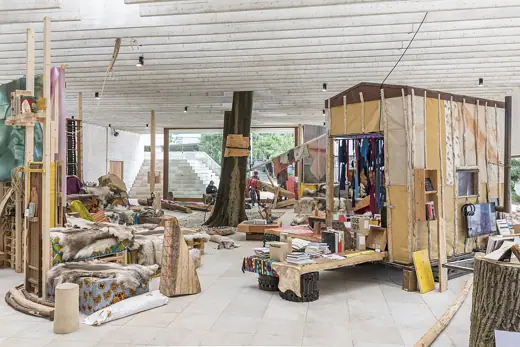 Nordic Pavilion1962 · Venice
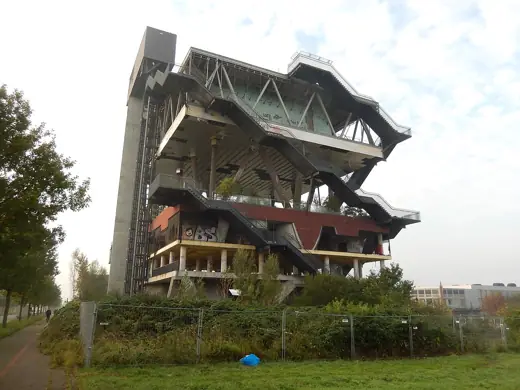 Netherlands Pavilion, Expo 20002000 · Hanover
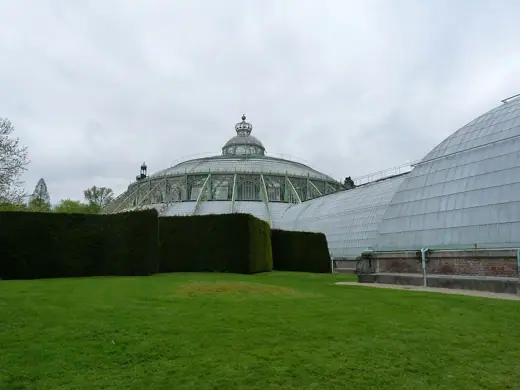 Royal Greenhouses of Laeken1905 · Brussels
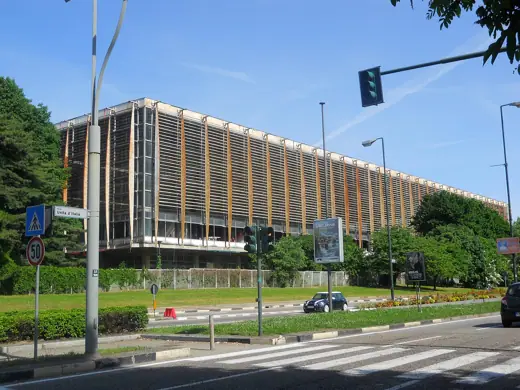 Palazzo del Lavoro1961 · Turin
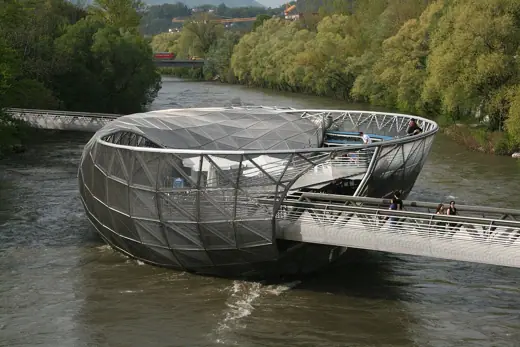 Murinsel2003 · Graz
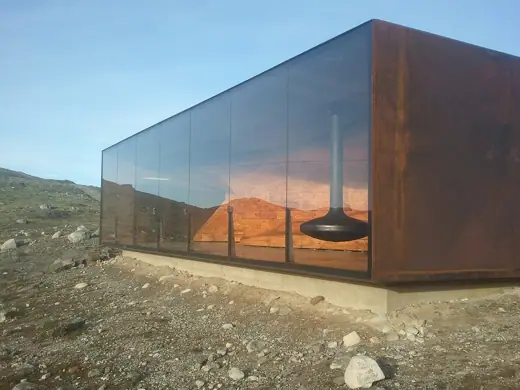 Norwegian Wild Reindeer Pavilion2011 · Hjerkinn
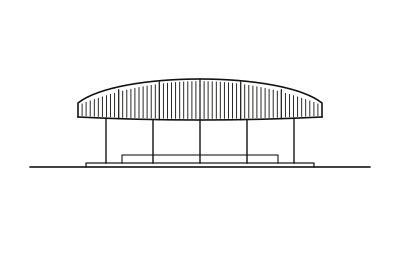 Xylem2019 · Fishtail
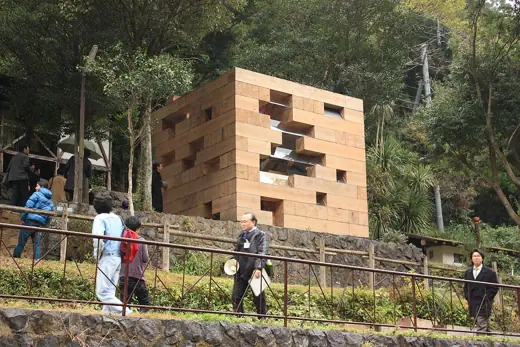 Final Wooden House2008 · Kumamoto
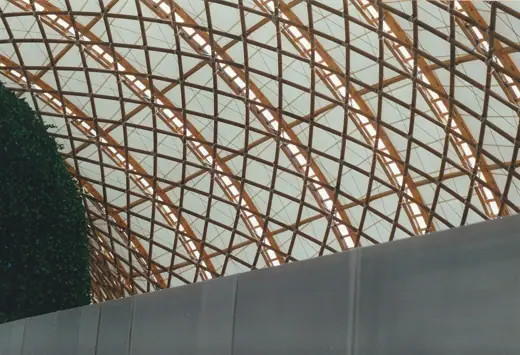 Japan Pavilion, Expo 20002000 · Hanover
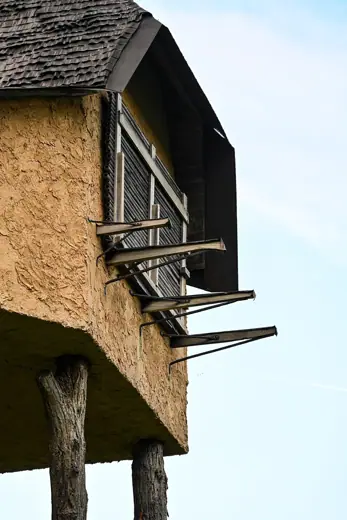 Takasugi-an2004 · Chino
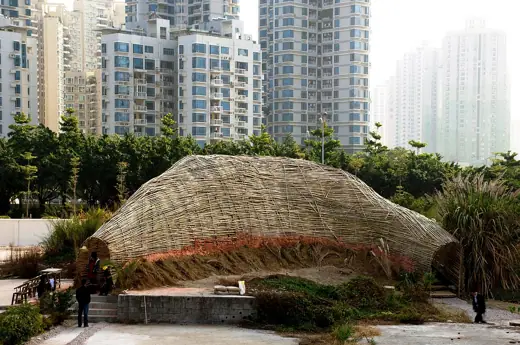 Bug Dome2009 · Shenzhen