




Museum · Historic precedent
Bode Museum
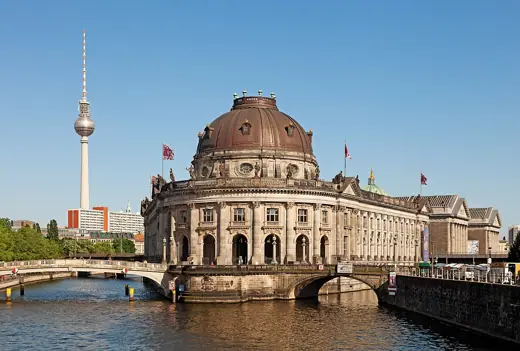
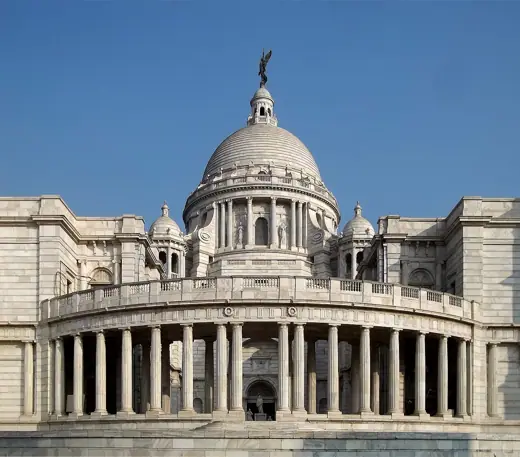
Key featuresA neo-baroque museum on the tip of Museum Island, its domed entrance rising straight from the river.
About the building
Ernst von Ihne designed the Bode Museum, a listed 1904 building on Berlin's Museum Island, in the city's historic centre. It first bore the name Kaiser-Friedrich-Museum, honouring Emperor Frederick III; in 1956 it was renamed for Wilhelm von Bode, its first curator. During the Second World War, some of the collection was kept safe in an anti-aircraft tower, the Flakturm Friedrichshain. Closed for repairs in 1997, it reopened on 18 October 2006 after a €156 million refurbishment. Bode believed in mixing art collections, and in that spirit the museum now shows sculpture and Byzantine art alongside coins and medals. In 1999 UNESCO added Museum Island, this building included, to its World Heritage List, for outstanding architecture and as a record of how museums grew into a cultural phenomenon between the late 19th century and the early 20th.
Sources: Bode Museum (Wikipedia)
More by Ernst von IhneAll 2 →
More with waterAll 306 →
Find more with
Water306 buildings →Monumentality909 buildings →Stone524 buildings →Museum735 buildings →Each opens every building that shares the idea.
Details
- Architect
- Ernst von Ihne
- Place
- Berlin, Germany
- Year
- 1904
- Typology
- Museum
- Movement
- Historic precedent
- Region
- Europe

Go deeper





More · MuseumAll 735 →
Portrait: Unknown · CC BY-SA 3.0 de · source