




Museum · Regionalism
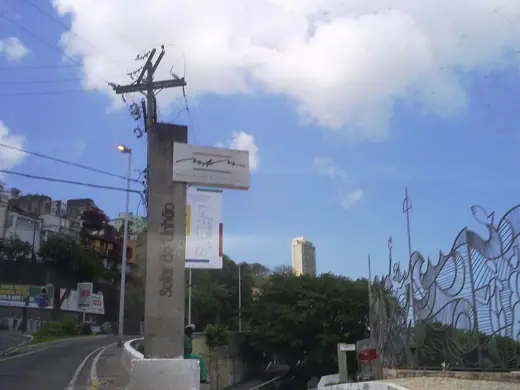
Solar do Unhão

Key featuresColonial sugar estate turned museum, with a timber spiral stair joined like an ox cart.
About the building
Salvador's main cultural centre, Solar do Unhão, was once a sugar mill. Its name recalls Pedro Unhão Castelo Branco, a high court judge of the 17th century. Invited by Bahia's governor to lead a new art museum for the North East, Lina Bo Bardi converted the mill into a modern art museum between 1959 and 1963. Her approach to old buildings was to restore them while avoiding both nostalgia and disregard for their context; here she left the colonial exterior untouched and inserted a modern staircase. The museum was to display the primitive art of the North East and the practical character of its design. Bo Bardi saw a museum not as a mausoleum for the past but as an active place of knowledge, and in its early years it offered locals many classes in art and history.
Sources: Lina Bo Bardi (Wikipedia)
More by Lina Bo BardiAll 4 →
More with adaptive reuseAll 195 →
Find more with
Adaptive reuse195 buildings →Timber229 buildings →Detail553 buildings →Museum735 buildings →Each opens every building that shares the idea.
Details
- Place
- Salvador, Brazil
- Year
- 1963
- Typology
- Museum
- Movement
- Regionalism
- Region
- Americas
Go deeper





See all 7 links

More · MuseumAll 735 →
Portrait: Unknown author · Public domain · source