




Museum · Historic precedent
Royal Museum for Central Africa (AfricaMuseum)
 byCharles Girault (2018 renovation: Stéphane Beel Architects)See all 5 buildings →Tervuren, Belgium ↗
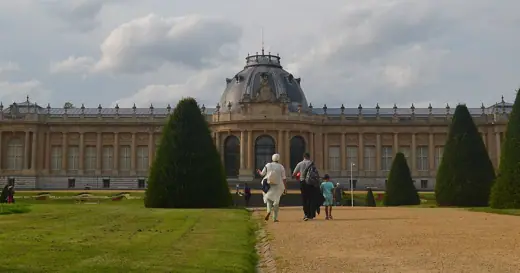
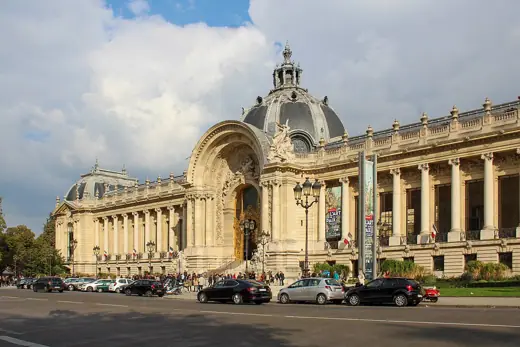
Key featuresNeoclassical 'palace' reminiscent of the Petit Palais, with large gardens extending into the Tervuren Forest.
About the building
The museum at Tervuren was first put up to present the Congo Free State of King Leopold II at the 1897 International Exposition. Work on a new building started in 1904. Charles Girault, a French architect, designed it in a neoclassical "palace" manner that recalls the Paris Petit Palais, with wide gardens reaching into the Tervuren Forest, part of the Sonian Forest. The building measures 125 metres by 75. King Albert I, who succeeded Leopold, opened it in 1910, a year after Leopold's death, as the Museum of the Belgian Congo. For its later renewal, the Belgian Buildings Agency gave the plan to Stéphane Beel Architects (TV SBA). A reception pavilion, added in 2016 and set between the Palace of Africa and the management building, is now the way in. The museum reopened as the AfricaMuseum on 9 December 2018.
Sources: Royal Museum for Central Africa (Wikipedia)
More by Charles GiraultAll 5 →
More with monumentalityAll 909 →
Find more with
Monumentality909 buildings →Axis319 buildings →Landscape736 buildings →Museum735 buildings →Each opens every building that shares the idea.
Details
- Place
- Tervuren, Belgium
- Year
- 1910
- Typology
- Museum
- Movement
- Historic precedent
- Region
- Europe
Go deeper





See all 8 links


More · MuseumAll 735 →
Portrait: François Schommer · Public domain · source