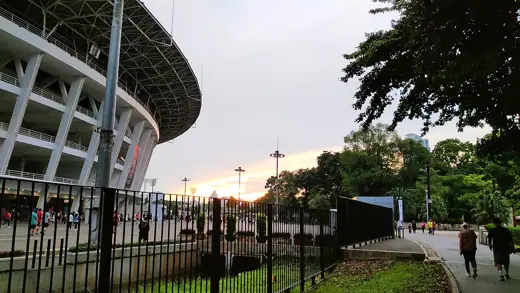
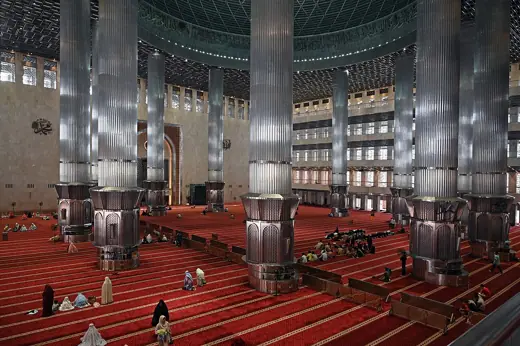
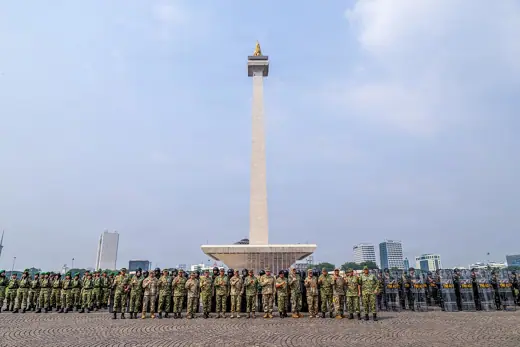
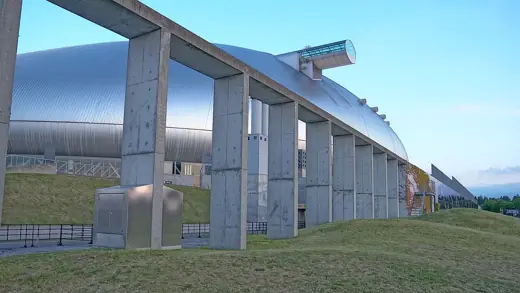
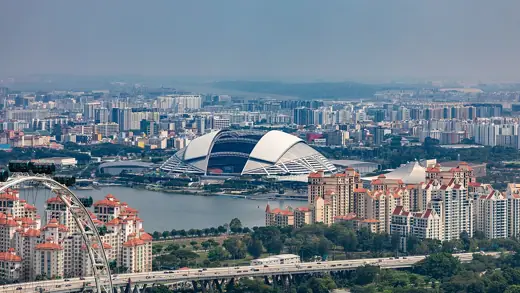
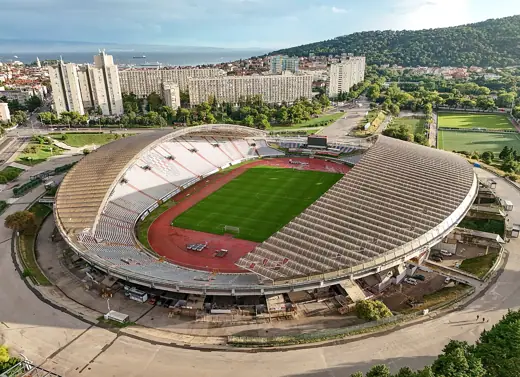
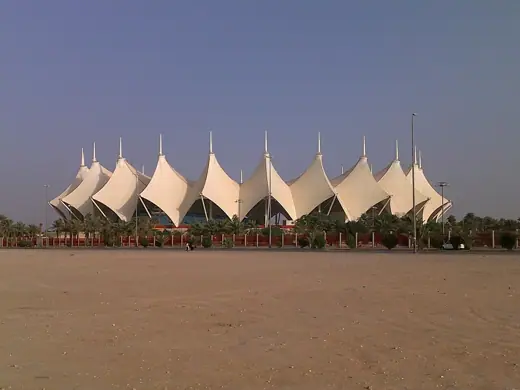
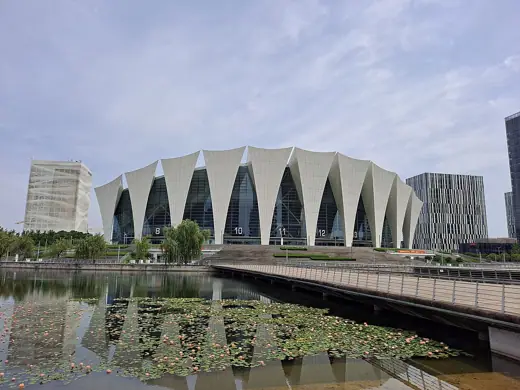
1/4 · Exterior · Senja hari di Gelora Bung Karno SenayanPhoto: Rintojiang · CC BY-SA 4.0 · source2/4 · Exterior · Gelora Bung Karno (Jakarta, Indonesia) Indonesia V Saudi Arabia (Asian Cup, 2nd Group Match)Photo: Original uploader was Indonoob at en.wikipedia · Public domain · source3/4 · Exterior · Athletics events of the 2018 Asian Para Games at Gelora Bung Karno StadiumPhoto: Griff88 · CC BY-SA 4.0 · source4/4 · Interior · The VIP and VVIP tribune of the Gelora Bung Karno Main Stadium in Jakarta, IndonesiaPhoto: RasyaAbhirama13 · CC BY-SA 4.0 · source
Portrait: Ir. Doli Nainggolan SH · CC BY-SA 4.0 · source
About Gelora Bung Karno Stadium
Gelora Bung Karno Main Stadium (Indonesian: Stadion Utama Gelora Bung Karno, lit. 'Bung Karno Sports Arena Main Stadium'; abbreviated as SUGBK or GBK), formerly Senayan Main Stadium and Gelora Senayan Main Stadium, is a multi-purpose stadium located at the center of the Gelora Bung Karno Sports Complex in Central Jakarta, Indonesia. It is mostly used for football matches, and usually used by the Indonesia national football team and Super League club Persija Jakarta. The stadium is named after Sukarno, the first president of Indonesia, who sparked the idea of building the sports complex.
When first opened prior to the 1962 Asian Games, the stadium had a seating capacity of 110,000. It has been reduced twice during renovations: first to 88,306 in 2006 for the 2007 AFC Asian Cup and then to 77,193 single seats as part of renovations for the 2018 Asian Games and Asian Para Games, where it hosted the ceremonies and athletics competitions. Due to the most recent renovation which saw all remaining bleachers replaced by single seats, it is the 28th largest association football stadium in the world and the 8th largest association football stadium in Asia.