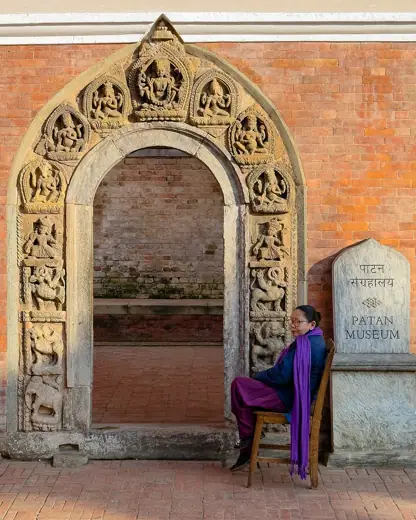
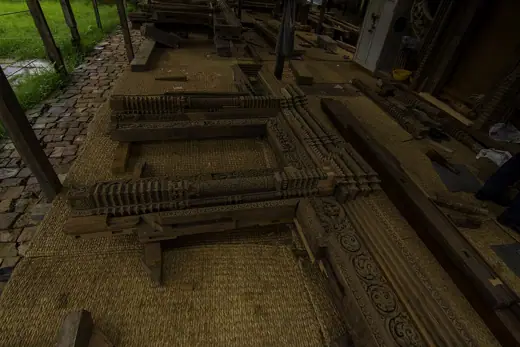
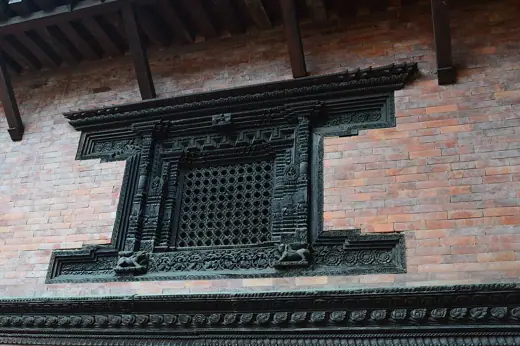
1/6 · Exterior · Woman Sitting at the Entrance of the Patan MuseumPhoto: Bijay Chaurasia · CC BY-SA 4.0 · source2/6 · Exterior · This is a photo of a monument in Nepal identified by the IDPhoto: Suraj Belbase · CC BY-SA 4.0 · source3/6 · Interior · This is a photo of a monument in Nepal identified by the IDPhoto: Bijay chaurasia · CC BY-SA 4.0 · source4/6 · Interior · merogantabya@gmail.comPhoto: Bijaya2043 · CC BY-SA 4.0 · source5/6 · Interior · merogantabya@gmail.comPhoto: Bijaya2043 · CC BY-SA 4.0 · source6/6 · Detail · This is a photo of a monument in Nepal identified by the IDPhoto: Suraj Belbase · CC BY-SA 4.0 · source
Museum · Contemporary
Patan Museum
Götz Hagmüller · Lalitpur, NP · 1997
Key featuresGalleries fitted into a restored Malla palace wing around its courtyard, with discreet new structure.
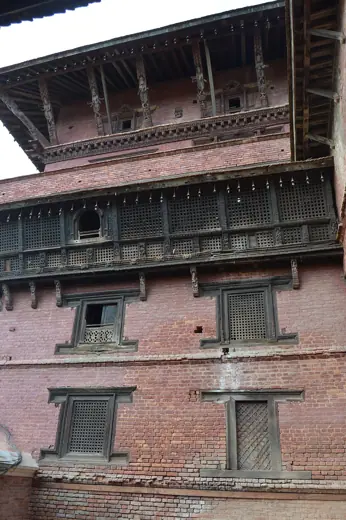
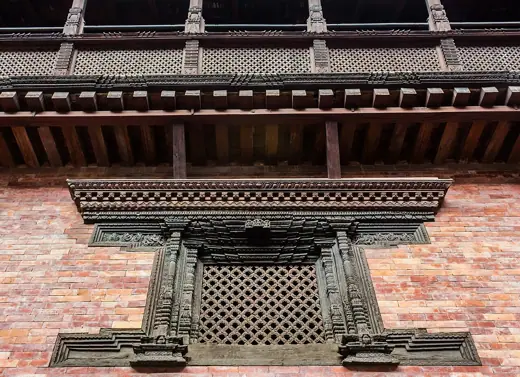
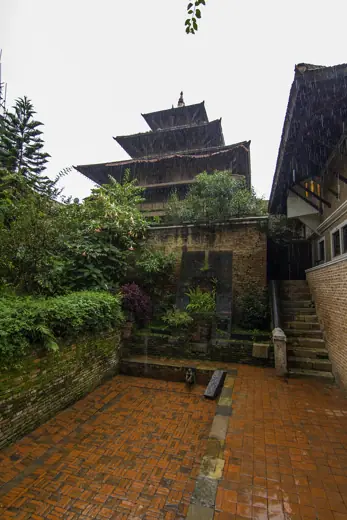
The Patan Museum (Nepali: पाटन संग्रहालय) is a museum located in Patan, Lalitpur, Nepal. The museum falls under the UNESCO's World Heritage Sites. The Patan Museum was inaugurated in 1997 by Late King Birendra Bir Bikram Shah. The Patan Museum displays the traditional sacred arts of Nepal in an illustrious architectural setting. Its home is an old residential court of Patan Durbar, one of the royal palaces of former Malla Kings of the Kathmandu Valley. The museum quadrangle is also known as Keshav Narayan Chowk. The Museum was restored by the Austrian architect the late Götz Hagmüller and the collection of the Museum itself was curated by the Late Mary Shepherd Slusser.