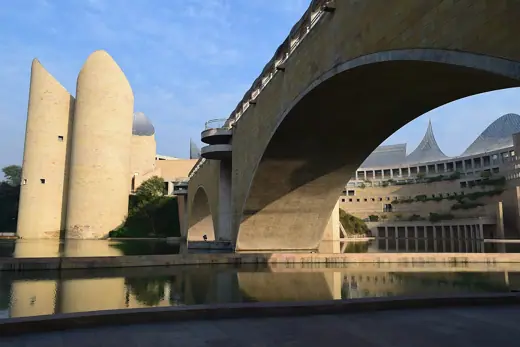
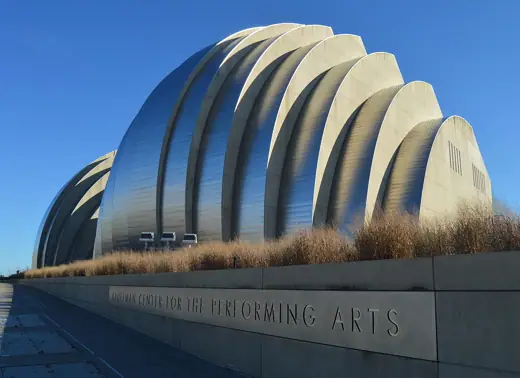
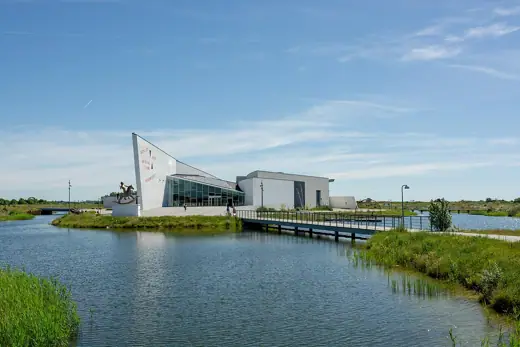
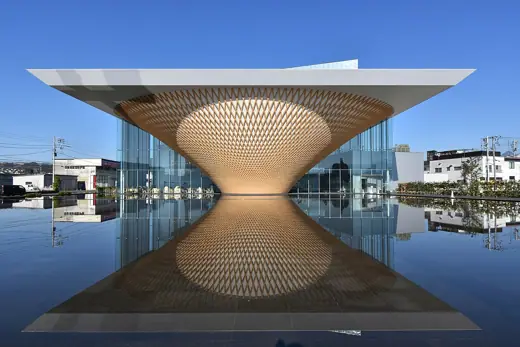
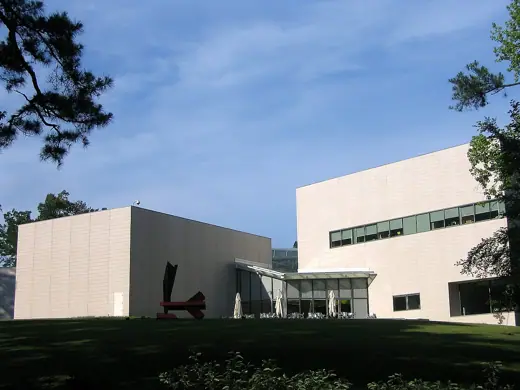
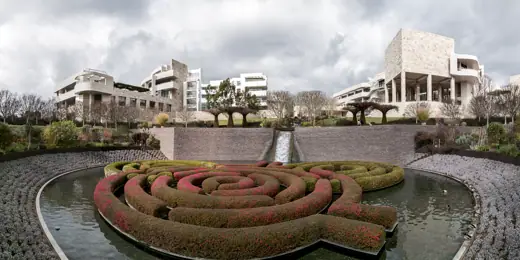
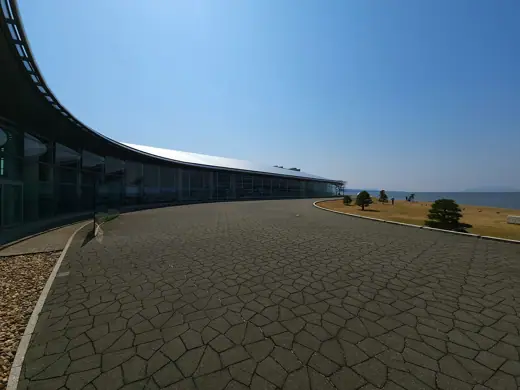
1/6 · Exterior · Virasat-e-Khalsa (formerly known as Khalsa Heritage Memorial Complex) is a museum located at Anandpur SahibPhoto: Kshitiz Sikka · CC BY-SA 4.0 · source2/6 · Exterior · To remember the sikhism a memorial is constructed what i call ajoobaPhoto: Koustubh kumar choudhary · CC BY-SA 4.0 · source3/6 · Exterior · Virasat e KhalsaPhoto: Vimalvimiroxy · CC BY-SA 4.0 · source4/6 · Exterior · Virasat-e-Khalsa (formerly known as Khalsa Heritage Memorial Complex) is a museum located at Anandpur SahibPhoto: Kshitiz Sikka · CC BY-SA 4.0 · source5/6 · Context · Virasat e khalsaPhoto: Ssriram mt · CC BY-SA 4.0 · source6/6 · Context · View of the campus during the night timePhoto: abc · CC BY-SA 3.0 · source
Key featuresHoney-coloured stone and steel-clad double-curved roofs around an artificial lake; turrets grouped in fives.
About the building
Virasat-e-Khalsa, or the Khalsa Heritage Complex, is a museum complex of Sikhism in Anandpur Sahib, Punjab, near Takht Kesgarh Sahib. Moshe Safdie designed it, mixing traditional Sikh architectural elements with modernism, and it opened on 25 November 2011 across more than a hundred acres. The buildings are cast-in-place concrete, with some beams and columns left bare and much of the structure meant to be faced in a honey-coloured local stone. Stainless steel covers the double-curved roofs, which catch the sky, while dams in the ravine form pools that mirror the complex at night. Safdie modelled the turrets on the old forts of Punjab; a cluster of five recalls the region's fortress architecture and stands out against the cliffs. The galleries are also gathered in fives, reflecting the Five Virtues central to Sikhism. A smaller western part holds a 400-seat auditorium.
Virasat-e-Khalsa, also known as the Khalsa Heritage Complex, is a mega-museum complex of Sikhism, located in the town of Anandpur Sahib, and is close to the Takht Kesgarh Sahib, located in the state of Punjab, India. The museum celebrates 500 years of Sikh history and the 300th anniversary of the birth of Khalsa, based on the scriptures written by the tenth and last of Sikhism's gurus, Guru Gobind Singh. Tourists and pilgrims visit. It is the most visited Sikh museum.
The buildings are constructed of poured-in-place concrete; some beams and columns remain exposed, though a great deal of the structures will be clad in a local honey-colored stone. The rooftops are stainless steel-clad and exhibit a double curvature: they gather and reflect the sky while a series of dams in the ravine create pools that reflect the entire complex at night. The smaller western complex includes an entrance plaza, an auditorium with 400 seating-capacity, two-story research and reference library, and changing exhibition galleries.