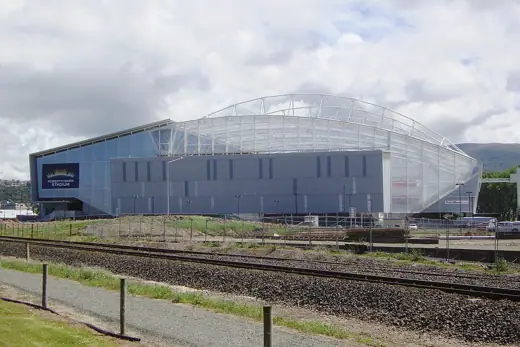
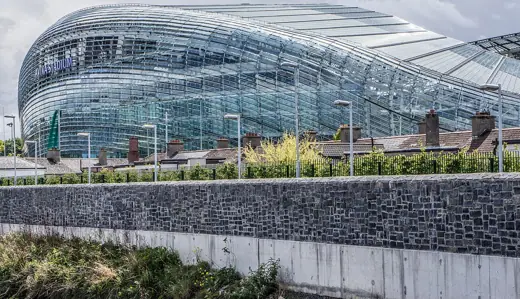
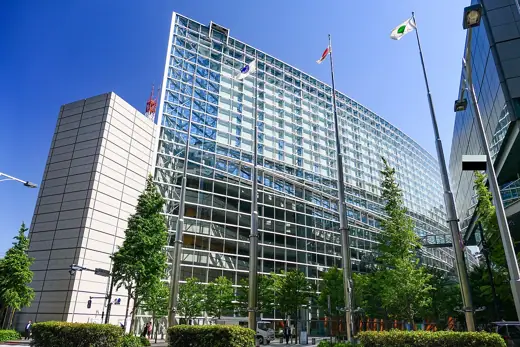
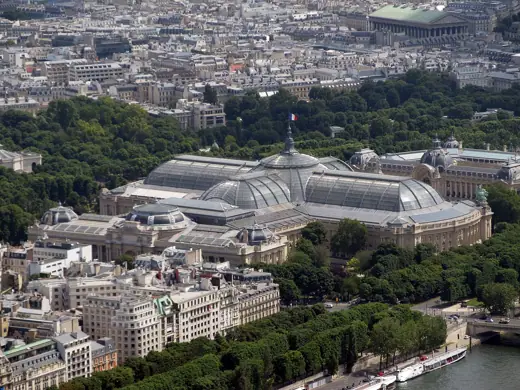
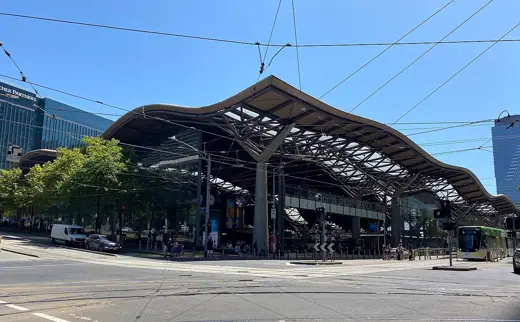
1/4 · ExteriorPhoto: Schwede66 · CC BY-SA 3.0 · source2/4 · Exterior · Forsyth Barr Stadium, Dunedin, Nueva ZelandaPhoto: Nelson Pérez · CC BY-SA 3.0 · source3/4 · Exterior · Forsyth Barr Stadium, Dunedin, Nueva ZelandaPhoto: Nelson Pérez · CC BY-SA 3.0 · source4/4 · Detail · Building of the Allied Concrete cement plant at Logan Point, Dunedin, New ZealandPhoto: Benchill · CC BY-SA 3.0 · source
Forsyth Barr Stadium is a multi-purpose stadium in Dunedin, New Zealand. At various stages of development it was also known as Dunedin Stadium or Awatea Street Stadium, or its non-commercial official name during the 2011 Rugby World Cup and 2015 FIFA U-20 World Cup, Otago Stadium. The fully covered stadium is also known colloquially as 'The Glasshouse' due to its resemblance to a horticultural hothouse.
The stadium was designed by Populous and Jasmax in a joint venture. The stadium roof was constructed with a clear ETFE roof supplied and installed by the firm Vector Foiltec, the same material as used at Allianz Arena in Munich and the Water Cube in Beijing.
The stadium was designed as a versatile venue, and is expected to be able to host a range of events including sports (rugby union, rugby league, football, basketball, netball), concerts, trade fairs and other large-scale events. The use of relocatable seating allows for flexibility to suit a range of event requirements. Due to size constraints, some sports (such as cricket, a popular sport in New Zealand) are unable to use the stadium.