Kenzō Tange buildings 19
Sort
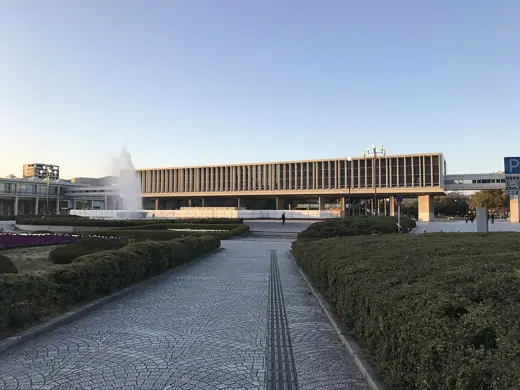 Hiroshima Peace Memorial Museum1955 · Hiroshima
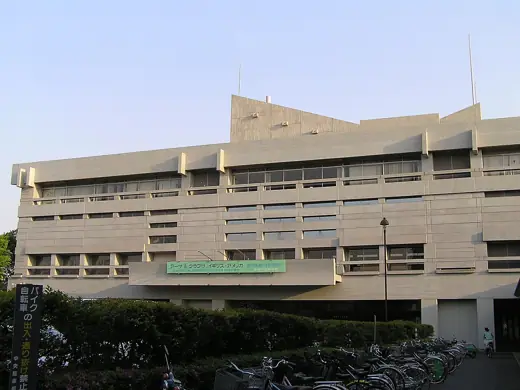 Kurashiki City Art Museum (former City Hall)1960 · Kurashiki
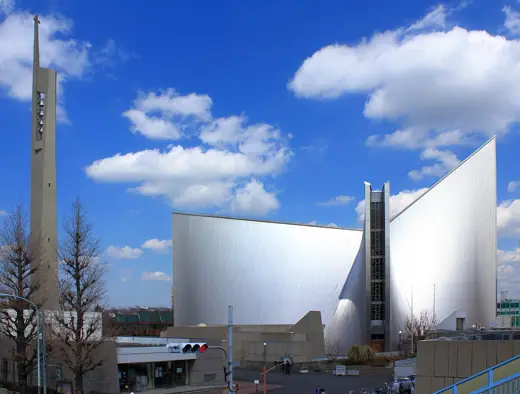 St. Mary's Cathedral1964 · Tokyo
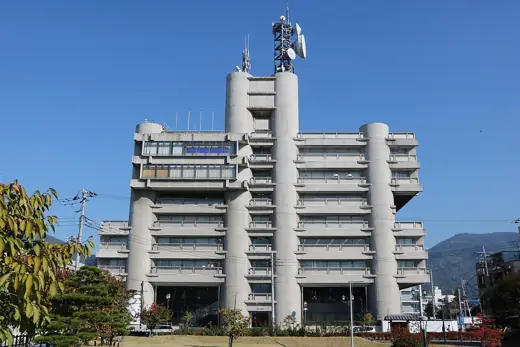 Yamanashi Press and Broadcasting Centre1966 · Kofu
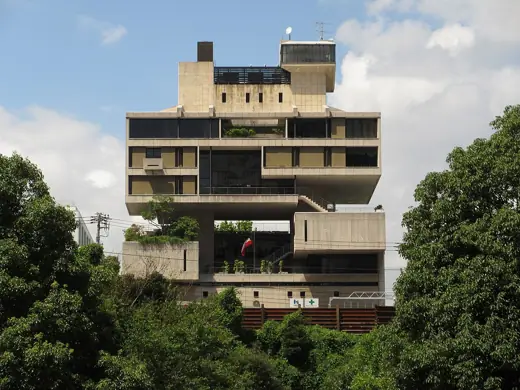 Embassy of Kuwait, Tokyo1970 · Tokyo
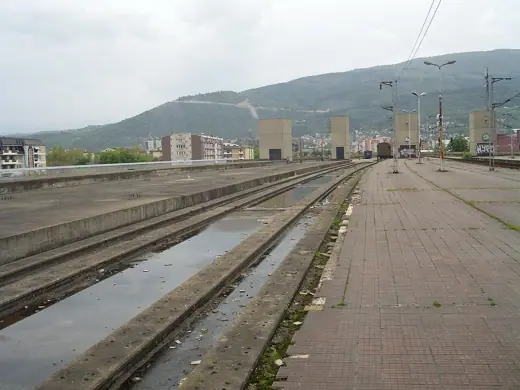 Skopje Railway Station1981 · Skopje
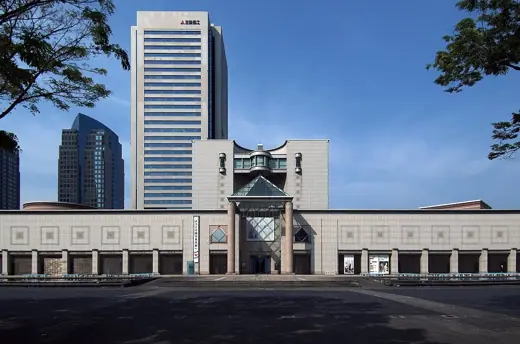 Yokohama Museum of Art1989 · Yokohama
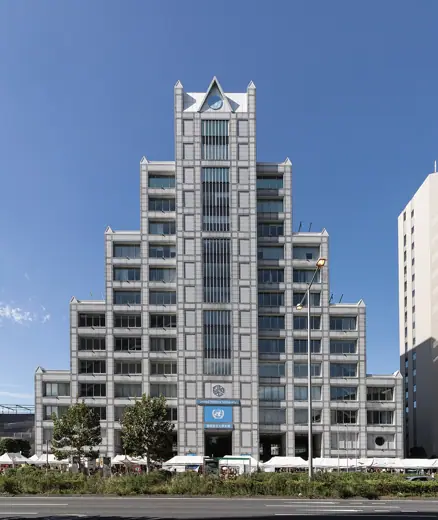 United Nations University Headquarters1992 · Tokyo
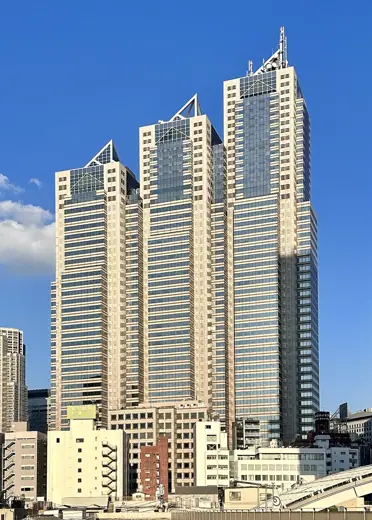 Shinjuku Park Tower1994 · Tokyo
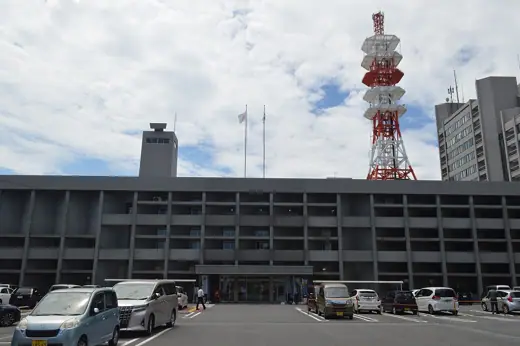 Imabari City Hall1958 · Imabari
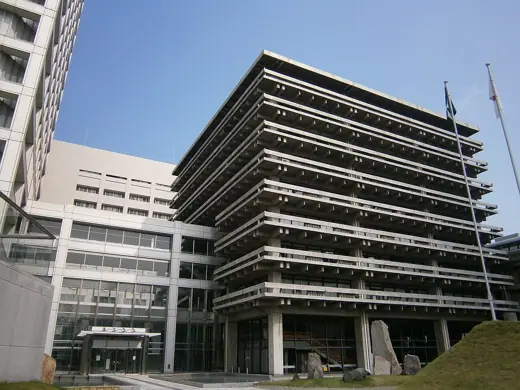 Kagawa Prefectural Government Office1958 · Takamatsu
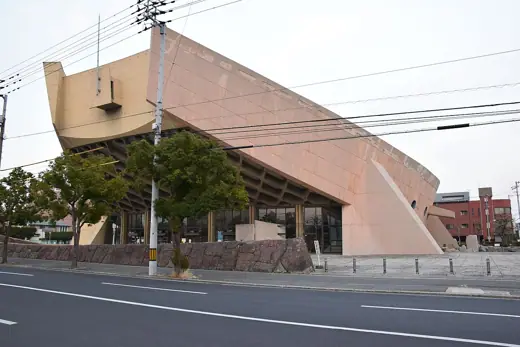 Kagawa Prefectural Gymnasium1964 · Takamatsu
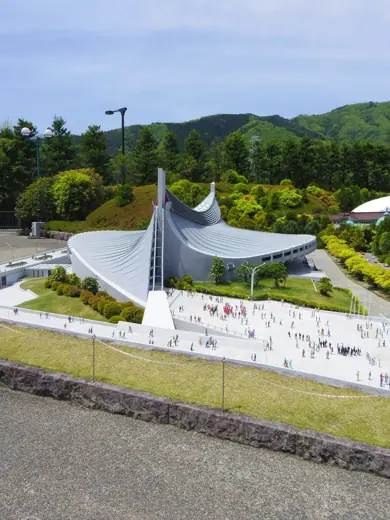 Yoyogi National Gymnasium1964 · Tokyo
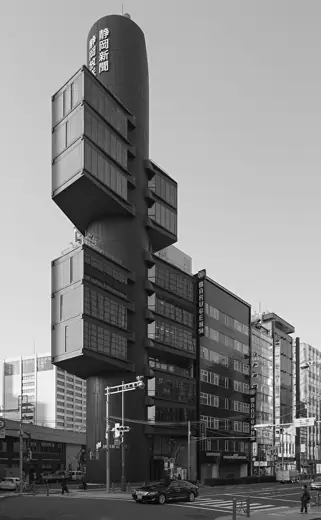 Shizuoka Press and Broadcasting Center1967 · Tokyo
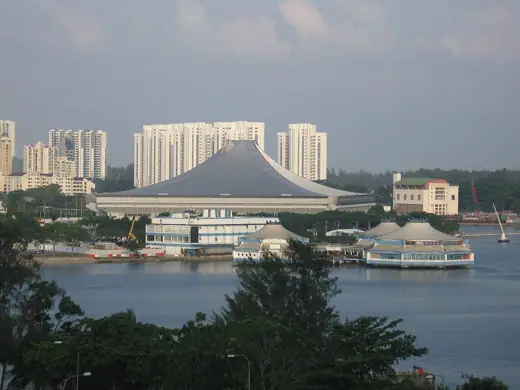 Singapore Indoor Stadium1987 · Singapore
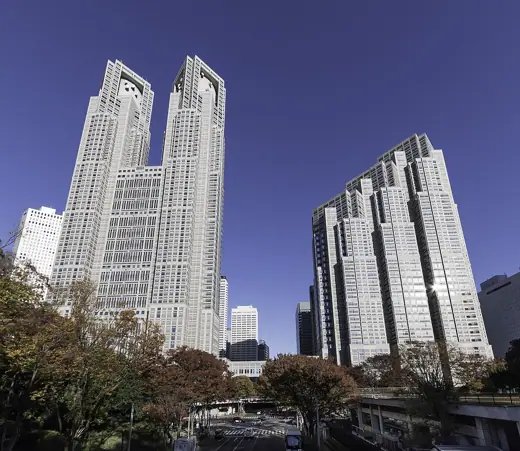 Tokyo Metropolitan Government Building1991 · Tokyo
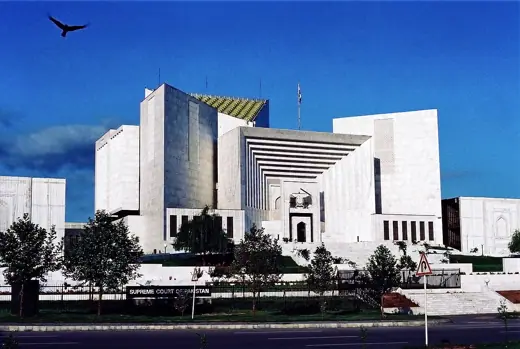 Supreme Court of Pakistan Building1993 · Islamabad
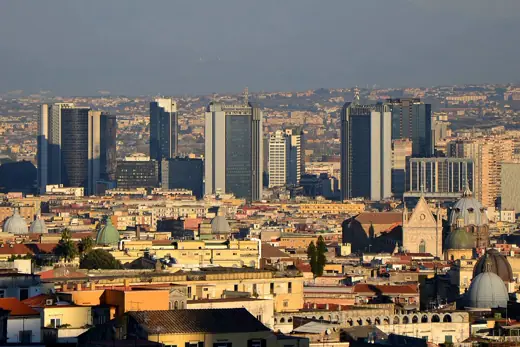 Centro Direzionale di Napoli1995 · Naples
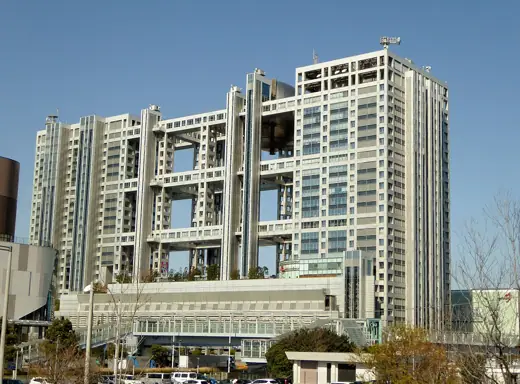 Fuji Television Building1996 · Tokyo