

Museum · Regionalism
Toba Sea-Folk Museum
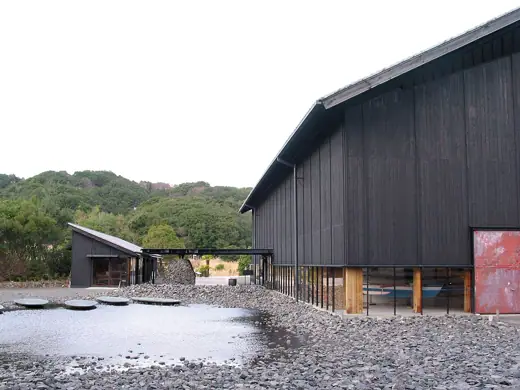
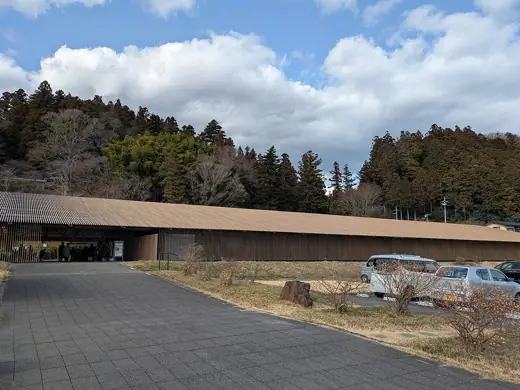
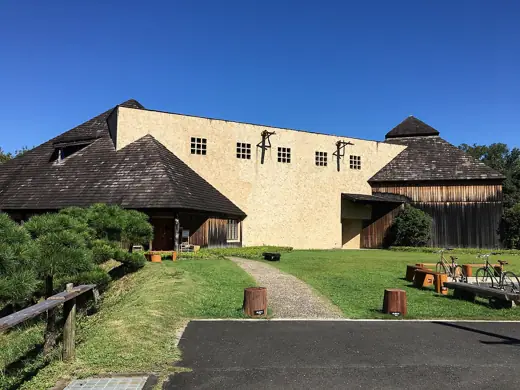
Key featuresLong tiled-roof storehouses and laminated-timber exhibition halls built for a humid, salty coast.
About the building
Toba Sea-Folk Museum in Toba, Mie Prefecture, Japan, is devoted to the fishing traditions of the area. It began in 1971 as a private museum, moved to its present site in 1992, and in 2017 became a public museum run by the city. The buildings, designed by Naitō Hiroshi, were named in 1998 among the 100 Select Instances of Public Architecture chosen by what was then the Ministry of Construction. As of 31 March 2018 the collection held about 61,840 items, among them some ninety wooden boats from across Japan and the country's fullest set of material on the Ama. A group of 6,879 fishing tools from Ise Bay, the Shima Peninsula and the Kumano Sea is jointly listed as an Important Tangible Folk Cultural Property. Seven themes shape the displays, from sea-folk faith to sea pollution and wooden boats.
Sources: Toba Sea-Folk Museum (Wikipedia)
More by Hiroshi NaitoAll 4 →
More with timberAll 229 →
Find more with
Timber229 buildings →Climate response258 buildings →Earth & local material83 buildings →Museum735 buildings →Each opens every building that shares the idea.
Details
- Architect
- Hiroshi Naito
- Place
- Toba, Japan
- Year
- 1992
- Typology
- Museum
- Movement
- Regionalism
- Region
- East Asia