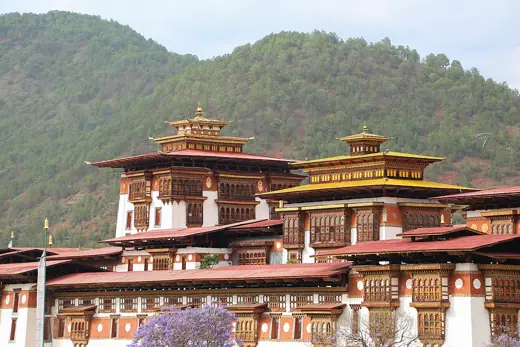
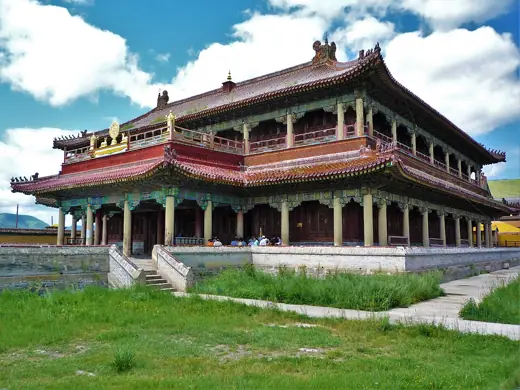
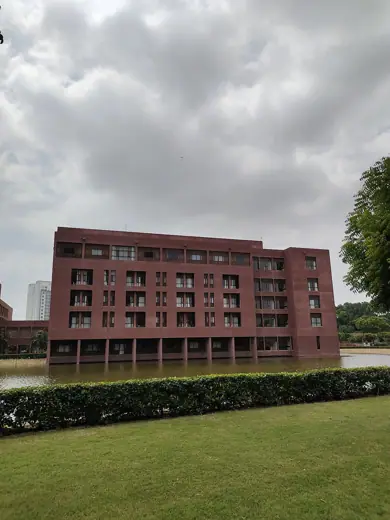
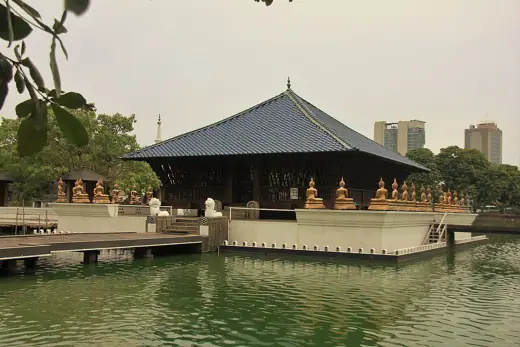
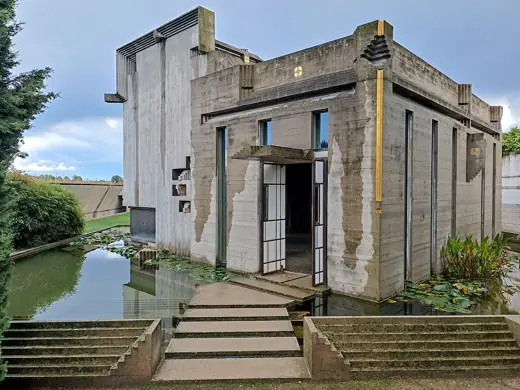
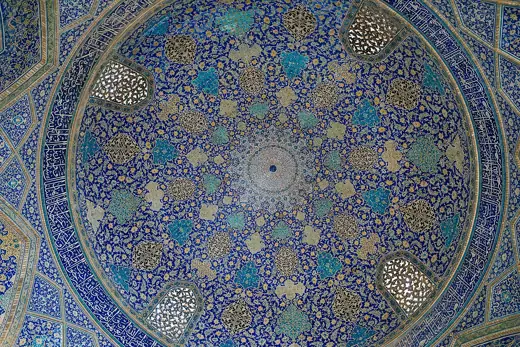
1/6 · Exterior · Punakha Dzong, BhutanPhoto: Bernard Gagnon · CC BY-SA 4.0 · source2/6 · Exterior · Pillar in Punakha Dzong, BhutanPhoto: Bernard Gagnon · CC BY-SA 4.0 · source3/6 · Exterior · A view of Punakha Dzong from the southPhoto: Christopher J. Fynn · CC BY-SA 4.0 · source4/6 · ExteriorPhoto: Christopher J. Fynn · CC BY-SA 4.0 · source5/6 · Interior · Dzong in Punakha in BhutanPhoto: Gerd Eichmann · CC BY-SA 4.0 · source6/6 · Interior · Dzong in Punakha in BhutanPhoto: Gerd Eichmann · CC BY-SA 4.0 · source
The Punakha Dzong, also known as Pungthang Dewa Chhenbi Phodrang (meaning "the palace of great happiness or bliss"), is the administrative centre of Punakha District in Punakha, Bhutan. Constructed by Ngawang Namgyal, 1st Zhabdrung Rinpoche, in 1637–38, it is the second oldest and second-largest dzong in Bhutan and one of its most majestic structures. The dzong houses the sacred relics of the southern Drukpa Lineage of the Kagyu school of Tibetan Buddhism, including the Rangjung Kharsapani and the sacred remains of Ngawang Namgyal and the tertön Pema Lingpa.
The dzong is part of the Drukpa Lineage of the Kagyu school of Tibetan Buddhism in Bhutan. It is the second oldest and most majestic dzong in Bhutan built at the orders of Ngawang Namgyal. It is a six-storied structure with a central tower or utse at an average elevation of 1,200 m (3,900 ft) with a scenic, mountainous background. The materials used in building the dzong consisted of compacted earth, stones and timber in doors and windows.