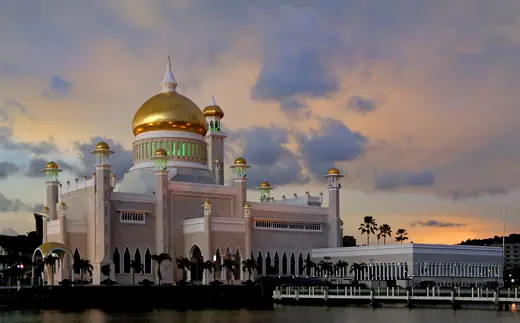
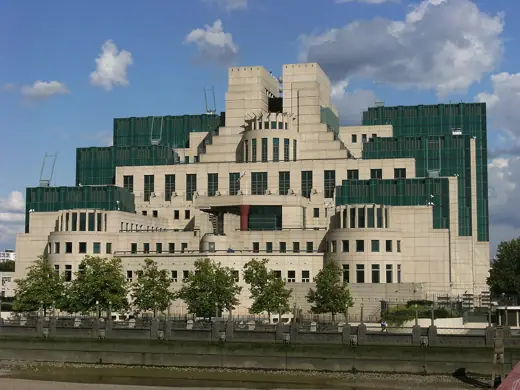
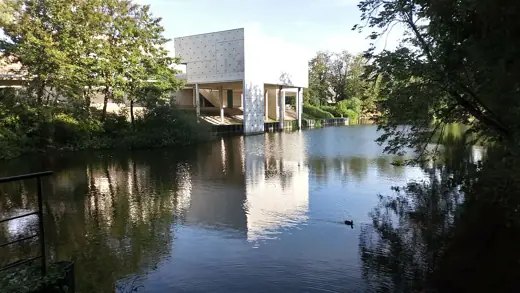
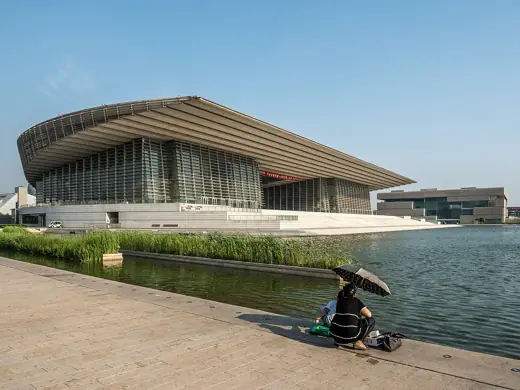
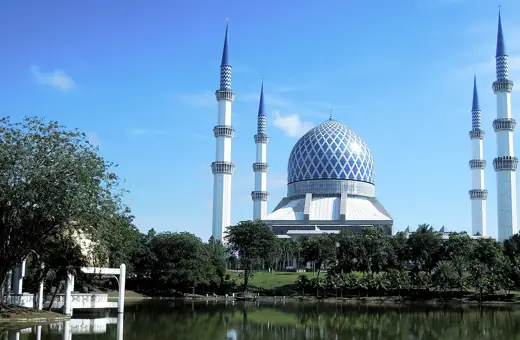
1/6 · ExteriorPhoto: Bernard Spragg. NZ from Christchurch, New Zealand · CC0 · source2/6 · Exterior · Exterior of Sultan Omar Ali Saifuddien Mosque - BruneiPhoto: bvi4092 · CC BY 2.0 · source3/6 · Exterior · Dusk at the Sultan Omar Ali Saifuddin Mosque in Brunei on the eve of RamadanPhoto: sam garza from Los Angeles, USA · CC BY 2.0 · source4/6 · Exterior · Yayasan Sultan Haji Hassanal Bolkiah Complex, Brunei on 18 January 2026Photo: Yu Chu Chin · CC BY-SA 4.0 · source5/6 · Interior · The Interior of the Omar Ali Saifuddien Mosque in BruneiPhoto: Calistemon · CC BY-SA 4.0 · source6/6 · Interior · Sultan Omar Ali Saifuddin Mosque enfiladePhoto: Mstyslav Chernov · CC BY-SA 3.0 · source
The Omar Ali Saifuddien Mosque (Malay: Masjid Omar Ali Saifuddien). or unofficially Sultan Omar Ali Saifuddin Mosque (abbreviated as the SOAS Mosque), is a mosque in Bandar Seri Begawan, the capital of Brunei. It is one of the two state mosques (masjid negara), the other being Jame' Asr Hassanil Bolkiah Mosque. One of the biggest and most striking mosques in the Far East, it was completed in 1958 at a cost of US$5 million, built by the eponymous Omar Ali Saifuddien III, the 28th Sultan of Brunei.
The mosque's general architectural style is primarily influenced by the Mughal Empire, with Islamic and Bruneian architectural elements accented throughout the structure's façade and interior. The mosque's features include the mihrab, mimbar, prayer hall and dome, minaret, ablution area, and sahn. Nolli created all of the architectural elements, including the pillars with their distinctive Bruneian motif, a thick rope or kalat. This pattern is a reflection of the columns in Lapau. A square fountain pool with green and yellow tiles creating a songket weave (tenunan) pattern can be seen outside in the courtyard on the left.