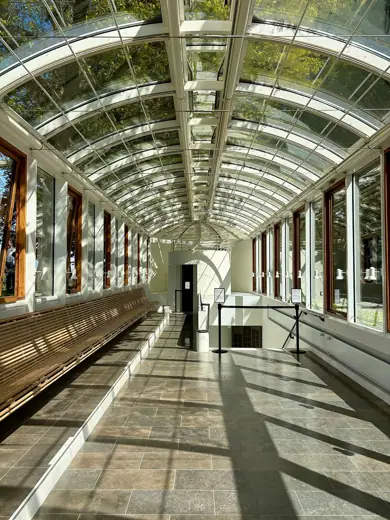
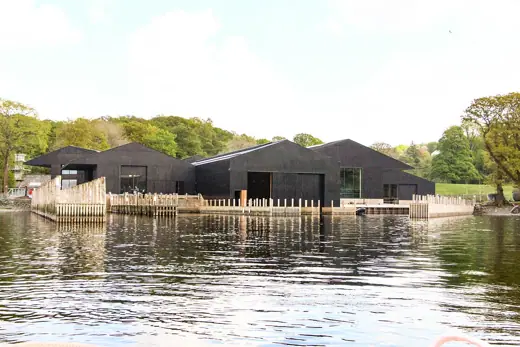
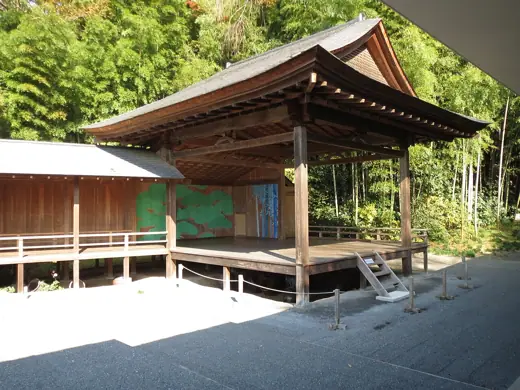
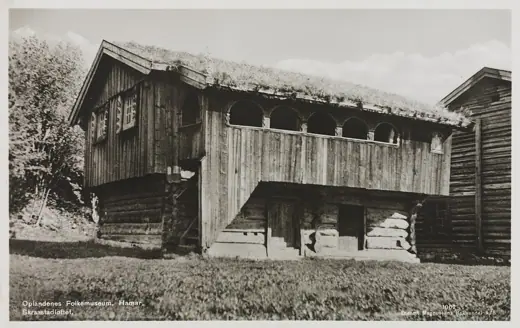
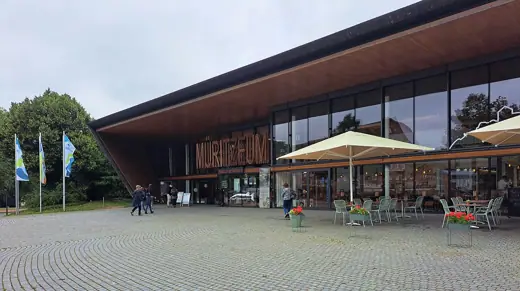
1/4 · Interior · Louisiana Museum of Modern Art, Humlebæk, DenmarkPhoto: kallerna · CC BY-SA 4.0 · source2/4 · Exterior · Louisiana Museum of Modern Art, Humlebæk, DenmarkPhoto: kallerna · CC BY-SA 4.0 · source3/4 · Exterior · Photo of the outside of the Louisiana Museum in DenmarkPhoto: Lars Plougmann · CC BY-SA 2.0 · source4/4 · ExteriorPhoto: RomanDeckert · CC BY-SA 4.0 · source
Key featuresLow glazed corridors link galleries from an old villa through parkland to the sea.
About the building
The Louisiana Museum of Modern Art lies on the Øresund coast, some 30 km north of Copenhagen. Its name goes back to the estate's first owner, Alexander Brun, who named it after his three wives, each called Louise, and in 1855 built the villa that still holds part of the museum. Vilhelm Wohlert and Jørgen Bo walked the grounds for a few months to see how new building would best fit the land. The result, opened in 1958, was three buildings linked by glass corridors. It is a modernist Danish landmark known for uniting art, architecture and landscape. Between its two wings, a sculpture garden has pieces by Calder, Moore and Arp. No museum of modern and contemporary art in Scandinavia draws more visitors: over 700,000 a year.
The Louisiana Museum of Modern Art, also known as the Louisiana, is an art museum located north of Copenhagen, Denmark. Attracting over 700,000 guests annually, the Louisiana is Scandinavia's most visited museum for modern and contemporary art, hosting 6 to 10 exhibitions each year alongside a permanent display of Yayoi Kusama's Gleaming Lights of the Souls. The museum is recognized as a modernist landmark in Danish architecture, and is noted for its synthesis of art, architecture and landscape, boasting a sculpture park with works by Alexander Calder, Henry Moore and Richard Serra. In addition to its permanent and temporary exhibitions, the museum has a shop featuring Danish design items, a restaurant with a view of the Øresund, and a three-storey Children's Wing hosting daily workshops. The museum is included in Patricia Schultz's book 1,000 Places to See Before You Die.
Each work demands to be seen without too much competition from other works of art and without a restrictive landscape setting.