




Public space · Modernism
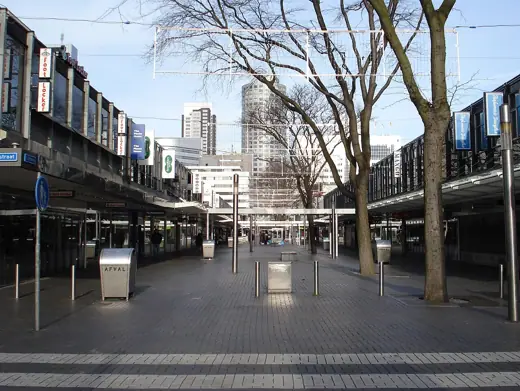
Lijnbaan
Key featuresDescribed as Europe's first purpose-built pedestrian shopping street, built to rebuild Rotterdam after 1940.
About the building
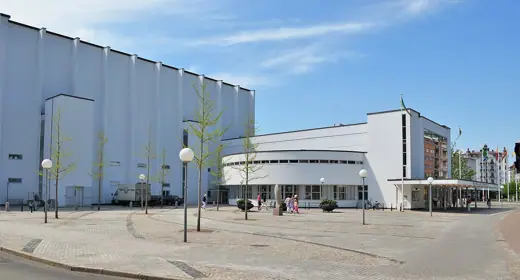
Jo van den Broek and Jaap Bakema designed the Lijnbaan as part of Rotterdam's rebuilding after the German bombing in 1940, and it opened on 9 October 1953. It has been called Europe's first street purpose-made for people on foot. The plan split up uses that had mixed on the streets before the war: shops face a car-free promenade and are supplied from service streets behind, while homes sit in separate apartment blocks. The 66 shopkeepers doubted the idea until a 1:100 model won them round; they also disliked the name, which recalls old local ropewalks, preferring 'the Promenade'. Lewis Mumford praised it in a 1957 New Yorker piece, and it has been cited abroad as an example for pedestrian shopping, as in Stevenage's town centre. Its original section has been a national monument since 2010.
Sources: Lijnbaan (Wikipedia)
More with public spaceAll 617 →
Find more with
Public space617 buildings →Circulation188 buildings →Promenade139 buildings →Public space88 buildings →Each opens every building that shares the idea.
Details
- Architect
- Van den Broek & Bakema
- Place
- Rotterdam, Netherlands
- Year
- 1953
- Typology
- Public space
- Movement
- Modernism
- Region
- Europe

Go deeper





See all 8 links


More · Public spaceAll 88 →
Portrait: Vervaardiger: Ary (A.) Groeneveld ; Auteursrechthouder: Gemeente Rotterdam (Stad · CC0 · source