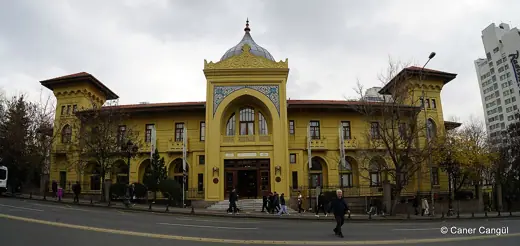
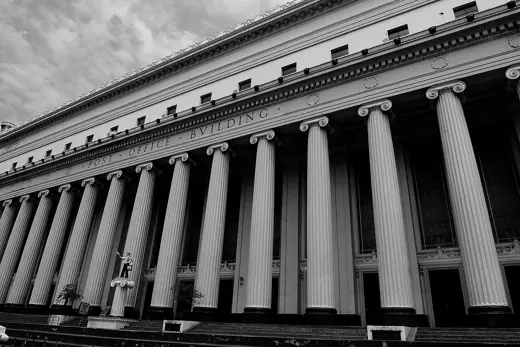
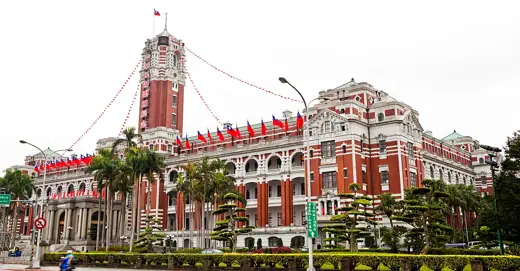
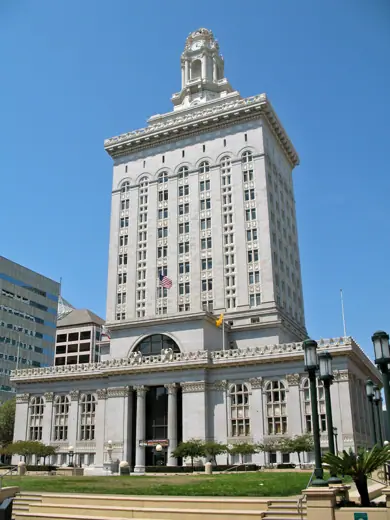
1/6 · Interior · The Ho Chi Minh City Hall in VietnamPhoto: Balon Greyjoy · CC0 · source2/6 · Exterior · Ho Chi Minh city parc Saigon Vietnam SaigonPhoto: dronepicr · CC BY 2.0 · source3/6 · Exterior · VietnamPhoto: flowcomm · CC BY 2.0 · source4/6 · Interior · The Ho Chi Minh City Hall in VietnamPhoto: Balon Greyjoy · CC0 · source5/6 · Interior · City hall, Ho Chi Minh City, VietnamPhoto: Diego Delso · CC BY-SA 3.0 · source6/6 · Interior · City hall, Ho Chi Minh City, VietnamPhoto: Diego Delso · CC BY-SA 3.0 · source
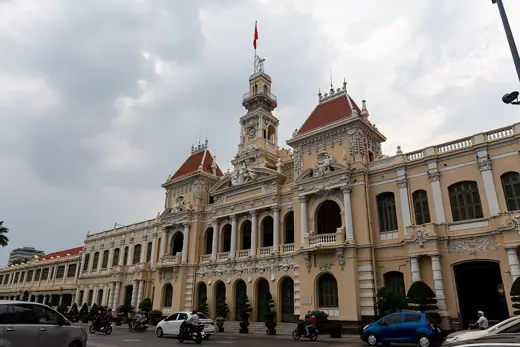
Key featuresCentral clock tower inspired by Paris's town hall; Corinthian columns, Renaissance, Baroque and Beaux-Arts styling.
About the building
Ho Chi Minh City Hall fills a downtown block in the Saigon ward, its front looking onto Nguyễn Huệ Boulevard. The French broke ground in 1898, once a canal was covered to make Charner Boulevard, with 1.5 million francs approved. The hard job took 11 years; the governors-general of French Indochina opened the building in 1909 to mark 50 years of French presence in the city. Under the architect Fernand Gardès, it followed the Paris town hall and recalls the belfries of northern France: a tall pointed tower between two matching attic towers and long, lower side wings. Renaissance, Baroque and Beaux-Arts ideas meet in its Rococo ornament, Corinthian columns, domed entrances and Art Nouveau doors of iron, with three figures of Marianne in the pediments. The wings gained another storey in the 1940s. It is a national heritage site.
Ho Chi Minh City Hall, officially called the Ho Chi Minh City People's Council and People's Committee Head Office (Vietnamese: Trụ sở Hội đồng Nhân dân và Ủy ban Nhân dân Thành phố Hồ Chí Minh), is a city hall and the seat of the government of Ho Chi Minh City, Vietnam. It is located in downtown Ho Chi Minh City's Saigon ward, between Pasteur, Lý Tự Trọng, Đồng Khởi, and Lê Thánh Tôn Street, with its front facade facing Nguyễn Huệ Boulevard. The building houses the office of the city's Chairman of the People's Committee, People's Council and various other government departments, such as Transportation, Natural Resources & Environment, Industry & Trade and Home Affairs.
The building originally comprised a grand hall with a clock tower upon it and 2 single story blocks on the left and right wing, stretching from Pellerin Street to Catinat Street (now Pasteur Street and Đồng Khởi Street).
Ho Chi Minh City Hall served as an administrative house for past governments during the French colonial period of Vietnam and Vietnam War. The building now also serves as one of Vietnam's national heritage sites and is open for public at the last weekend of each month.