




Culture & sport · Historic precedent
Concertgebouw
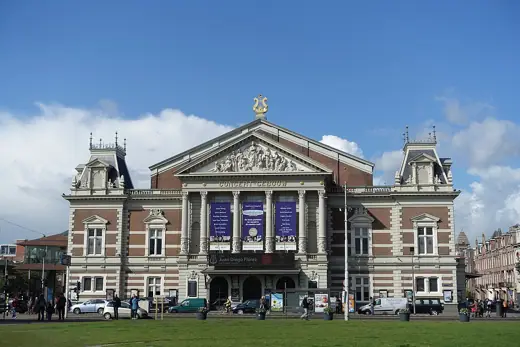
Key featuresShoebox-shaped main hall, famed for its acoustics, behind a classical brick-and-stone front.
About the building
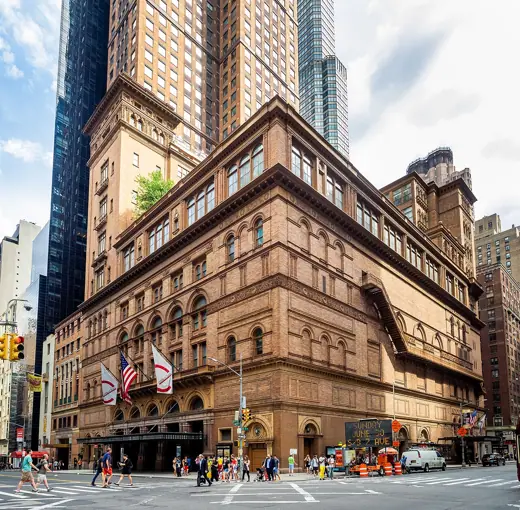
Adolf Leonard van Gendt designed the Concertgebouw, drawing inspiration from the Gewandhaus in Leipzig, finished two years before it and destroyed in 1943. Building started in 1883 on pasture then beyond the city edge, in Nieuwer-Amstel, the municipality renamed Amstelveen in 1964. The ground needed 2,186 wooden piles, each 12 to 13 metres long. The hall opened on 11 April 1888 with a concert by 120 musicians and 500 singers, playing Wagner, Handel, Bach and Beethoven. Its acoustics rank it with the finest concert halls anywhere, alongside Carnegie Hall in New York, Symphony Hall in Boston and the Musikverein in Vienna. Around 900 concerts and other events a year draw more than 700,000 people, among the highest numbers for any concert hall. For its 125th anniversary, on 11 April 2013, Queen Beatrix gave the building the royal title "Koninklijk".
Sources: Royal Concertgebouw (Wikipedia)
More with geometryAll 1061 →
Find more with
Geometry1061 buildings →Brick332 buildings →Detail553 buildings →Culture & sport614 buildings →Each opens every building that shares the idea.
Details
- Architect
- Adolf Leonard van Gendt
- Place
- Amsterdam, Netherlands
- Year
- 1888
- Typology
- Culture & sport
- Movement
- Historic precedent
- Region
- Europe

Go deeper





More · Culture & sportAll 614 →
Portrait: Unknown photographer · Public domain · source