


Culture & sport · Modernism
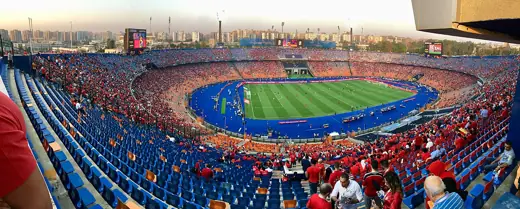
Cairo International Stadium
Key featuresOlympic-standard multi-use stadium with an all-seated capacity of 75,000.
About the building
Cairo International Stadium is a multi-use venue built to Olympic standard, with seats for 75,000 and no standing areas. Its architect was the German Werner March, who had designed Berlin's Olympic Stadium between 1934 and 1936, while ACE Moharram Bakhoum handled the engineering and oversaw construction. Almost every major Egyptian match is played here. The ground staged several games of the 2009 FIFA U-20 World Cup, among them both semifinals, the match for third place and the final, in which Brazil met Ghana, and it was one of the venues of the 2019 Africa Cup of Nations. It stands in Nasr City, with Cairo International Airport roughly 10 km to the east and downtown about as far away, and line 3 of the underground has its own Cairo stadium station to serve it.
Sources: Cairo International Stadium (Wikipedia)
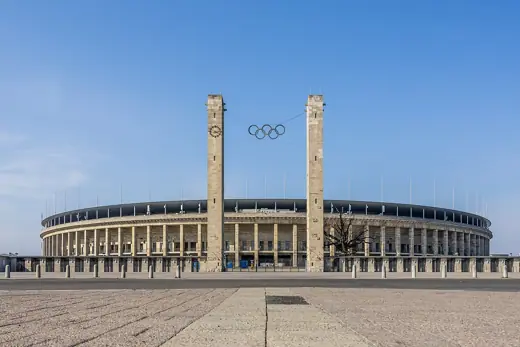
More by Werner MarchAll 3 →

More with monumentalityAll 909 →

Find more with
Monumentality909 buildings →Geometry1061 buildings →Public space617 buildings →Culture & sport614 buildings →Each opens every building that shares the idea.
Details
- Architect
- Werner March
- Place
- Cairo (Nasr City), Egypt
- Year
- 1960
- Typology
- Culture & sport
- Movement
- Modernism
- Region
- Middle East

Go deeper





See all 8 links


More · Culture & sportAll 614 →


Portrait: Jost · Public domain · source