Santiago Calatrava buildings 22
Sort
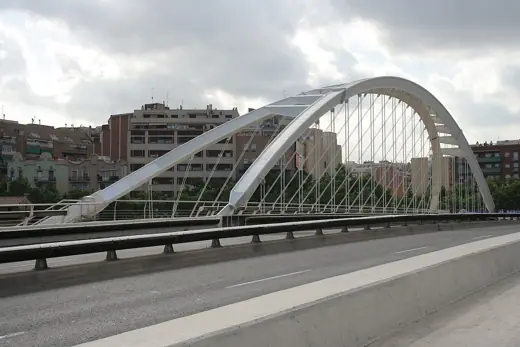 Bac de Roda Bridge1987 · Barcelona
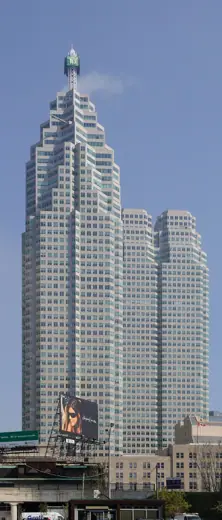 Allen Lambert Galleria, Brookfield Place1992 · Toronto
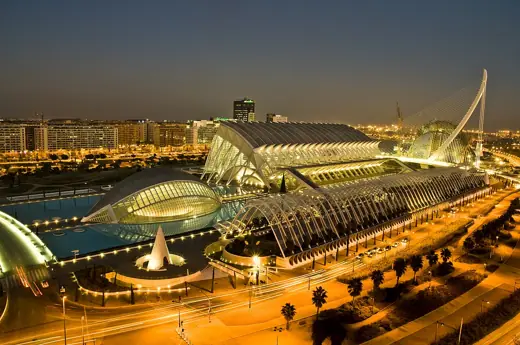 City of Arts and Sciences1998 · Valencia
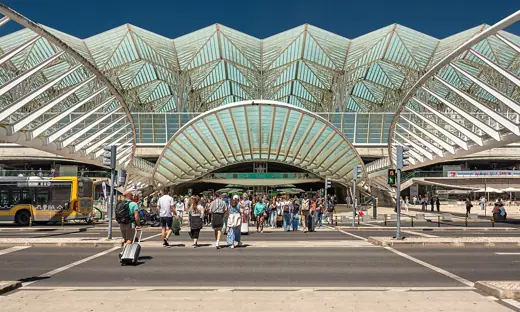 Gare do Oriente1998 · Lisbon
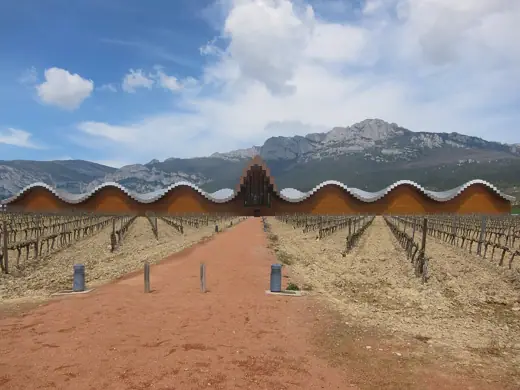 Bodegas Ysios2001 · Laguardia
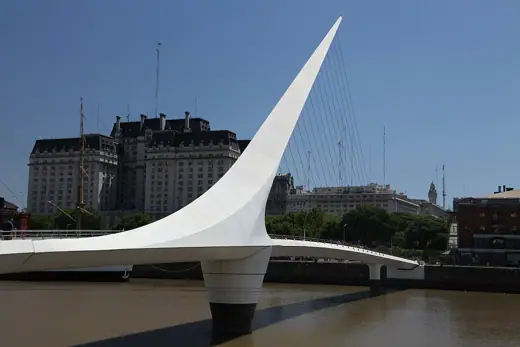 Puente de la Mujer2001 · Buenos Aires
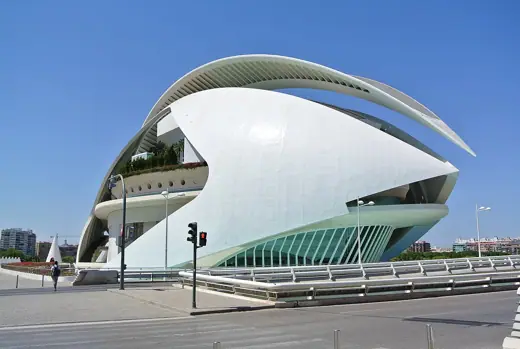 Palau de les Arts Reina Sofia2005 · Valencia
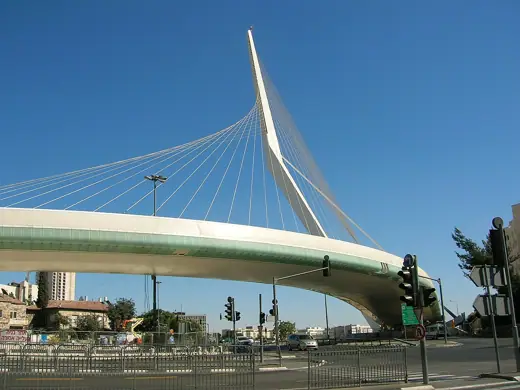 Chords Bridge2008 · Jerusalem
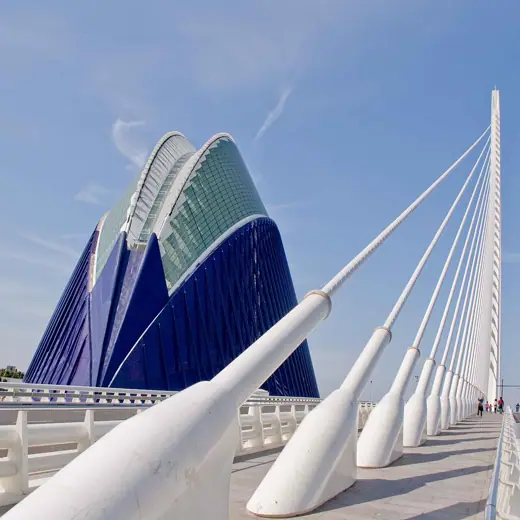 L'Àgora2009 · Valencia
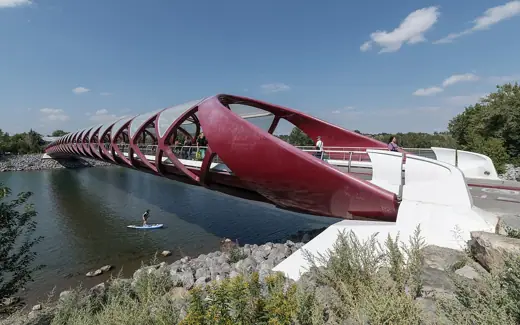 Peace Bridge2012 · Calgary
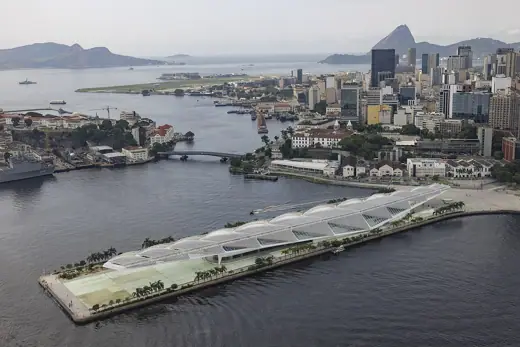 Museum of Tomorrow2015 · Rio de Janeiro
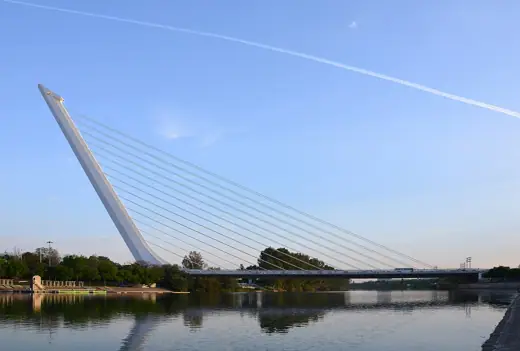 Alamillo Bridge1992 · Seville
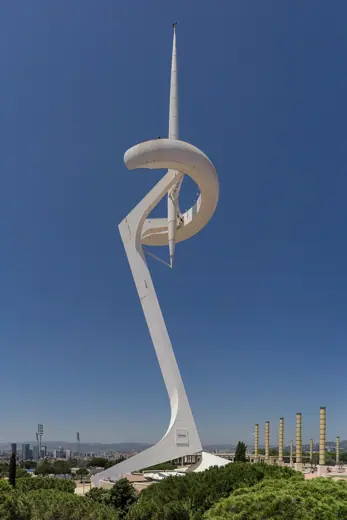 Montjuïc Communications Tower1992 · Barcelona
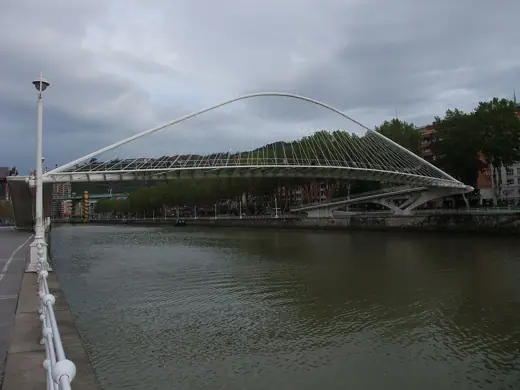 Zubizuri1997 · Bilbao
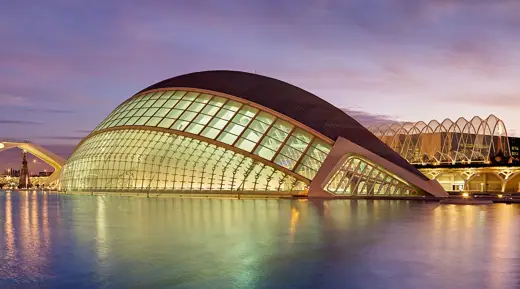 L'Hemisfèric1998 · Valencia
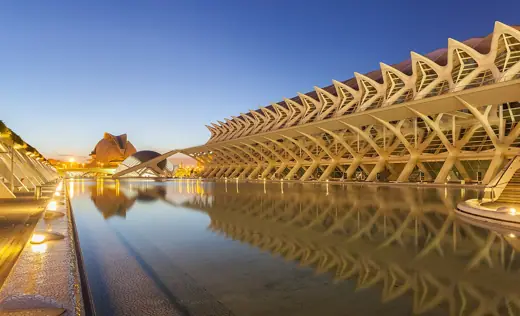 Museu de les Ciències Príncipe Felipe2000 · Valencia
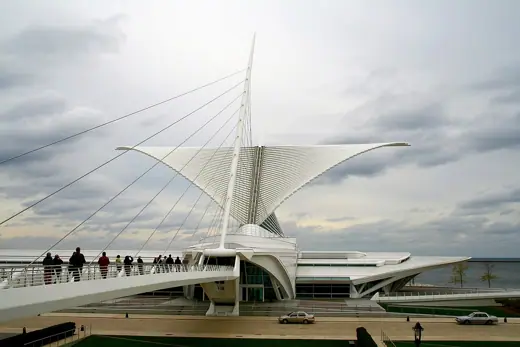 Milwaukee Art Museum, Quadracci Pavilion2001 · Milwaukee
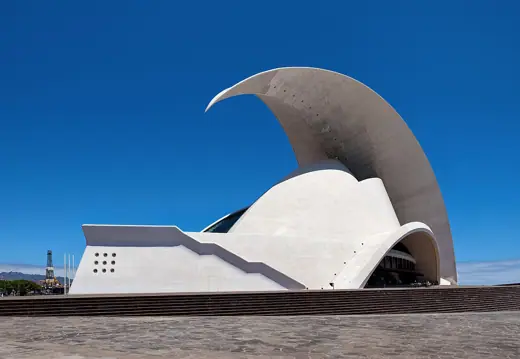 Auditorio de Tenerife2003 · Santa Cruz de Tenerife
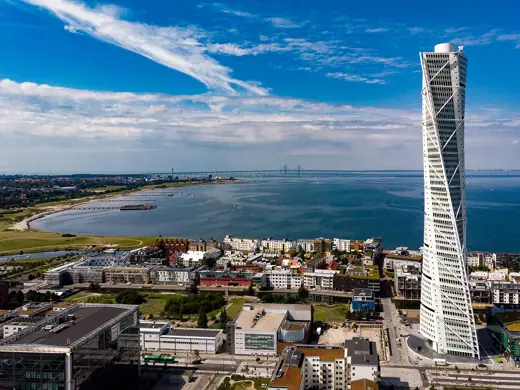 Turning Torso2005 · Malmö
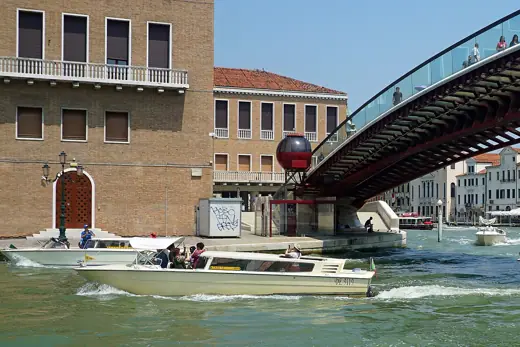 Ponte della Costituzione2008 · Venice
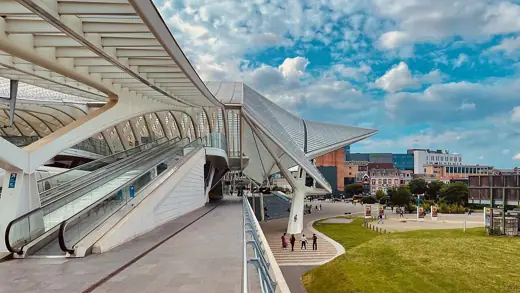 Liège-Guillemins Station2009 · Liège
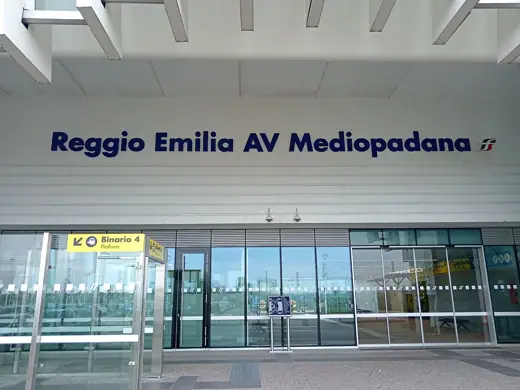 Reggio Emilia AV Mediopadana station2013 · Reggio Emilia