Frank Lloyd Wright buildings 21
Sort
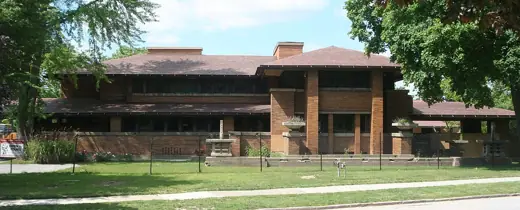 Darwin D. Martin House1905 · Buffalo
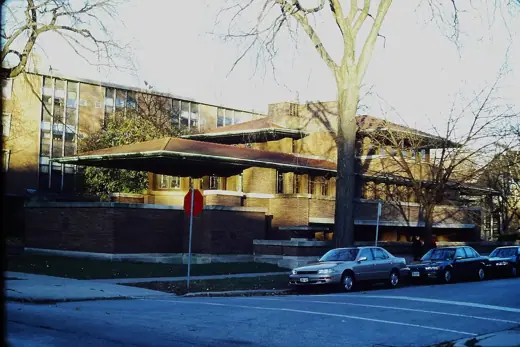 Robie House1910 · Chicago
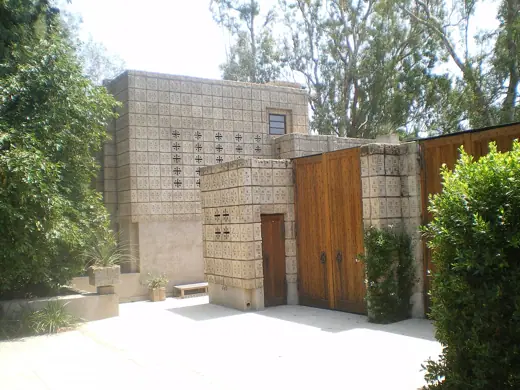 Millard House (La Miniatura)1923 · Pasadena
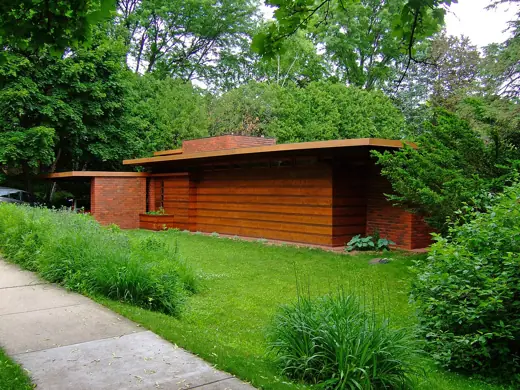 Herbert and Katherine Jacobs First House1937 · Madison
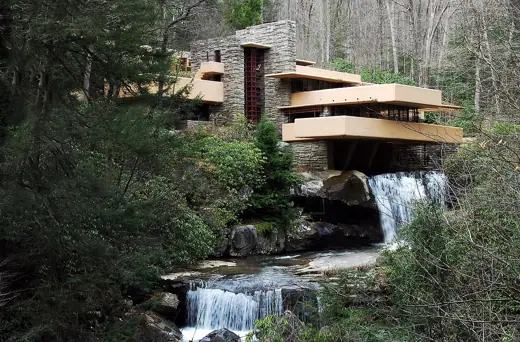 Fallingwater1939 · Mill Run
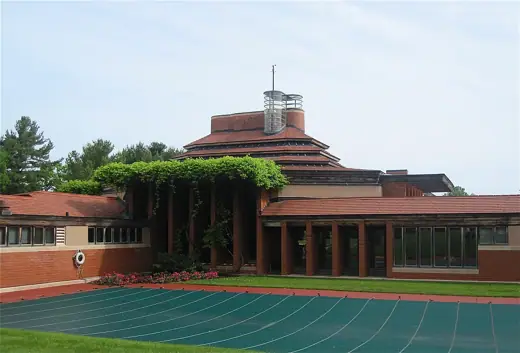 Wingspread (Herbert F. Johnson House)1939 · Wind Point
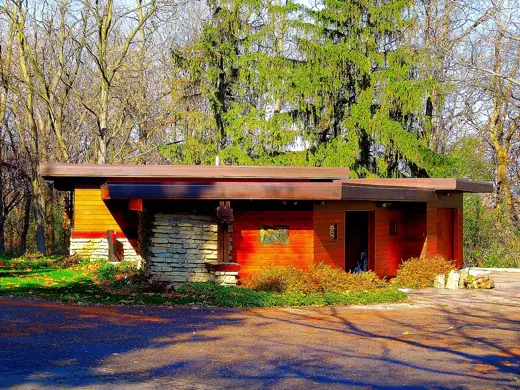 Jacobs II House (Solar Hemicycle)1948 · Middleton
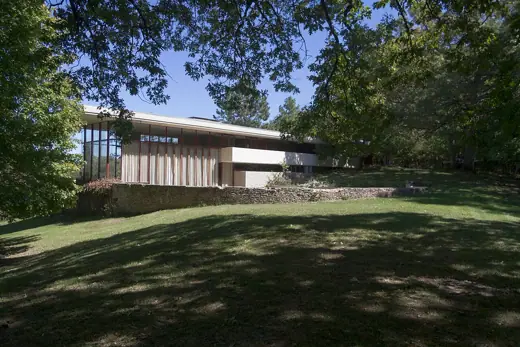 Douglas and Charlotte Grant House1951 · Cedar Rapids
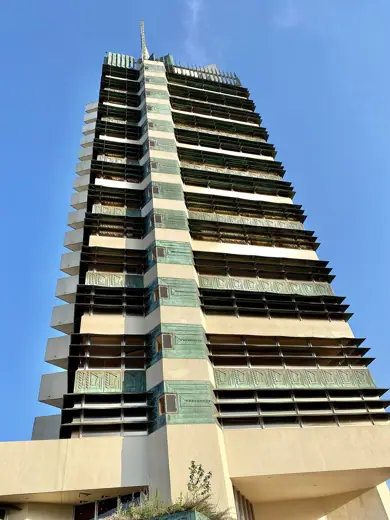 Price Tower1956 · Bartlesville
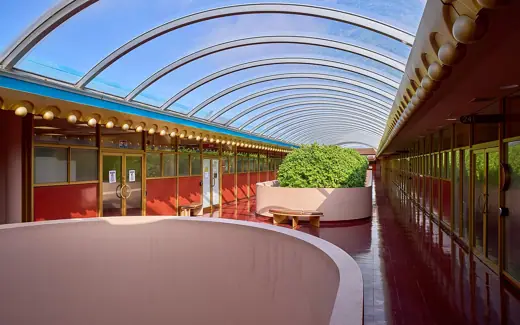 Marin County Civic Center1962 · San Rafael
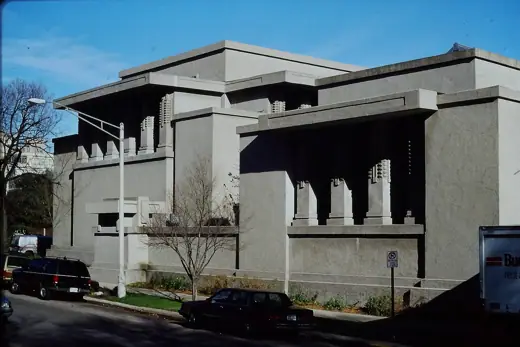 Unity Temple1908 · Oak Park
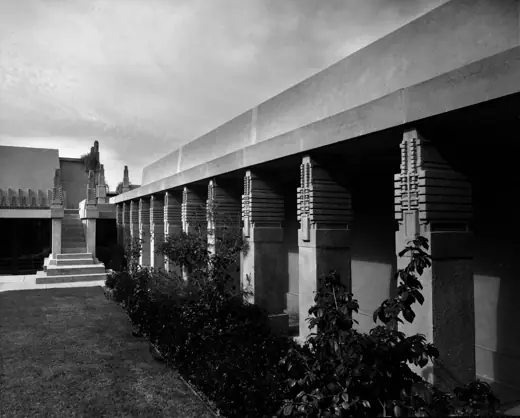 Hollyhock House1921 · Los Angeles
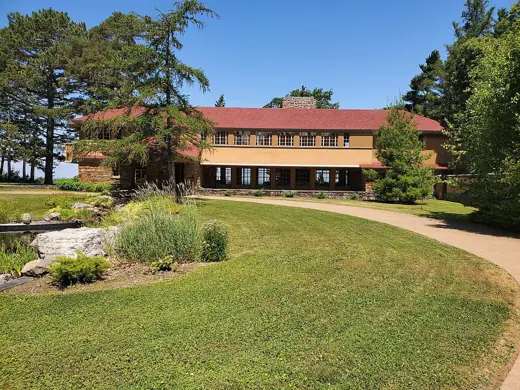 Graycliff1931 · Derby
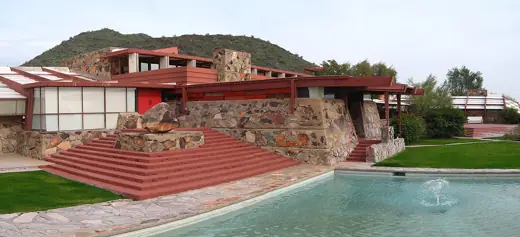 Taliesin West1937 · Scottsdale
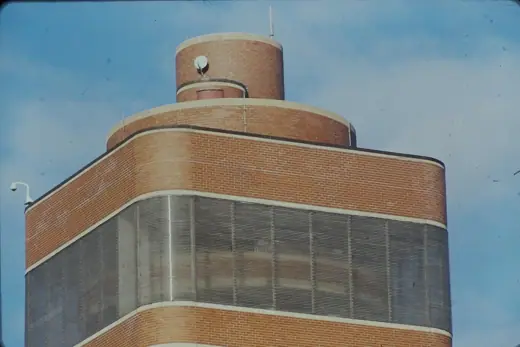 Johnson Wax Headquarters1939 · Racine
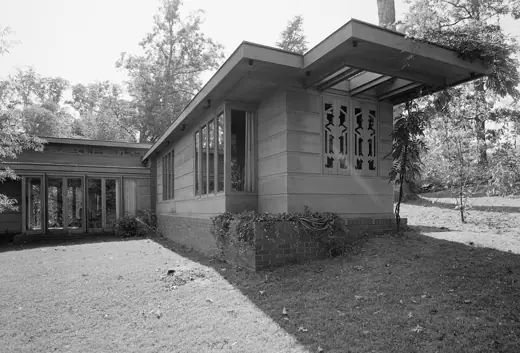 Pope–Leighey House1941 · Alexandria
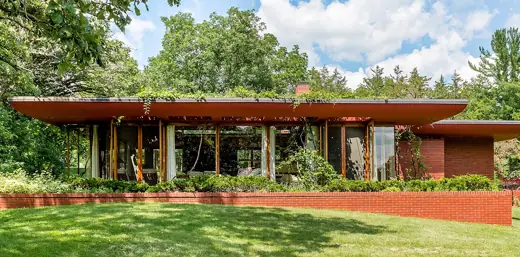 Cedar Rock (Walter House)1950 · Quasqueton
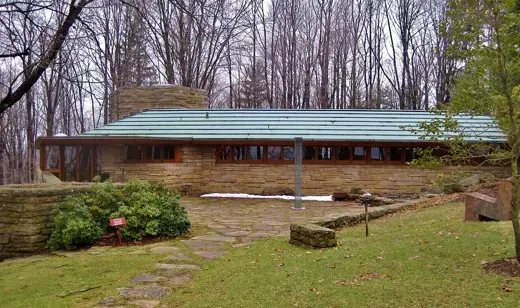 Kentuck Knob1956 · Chalk Hill
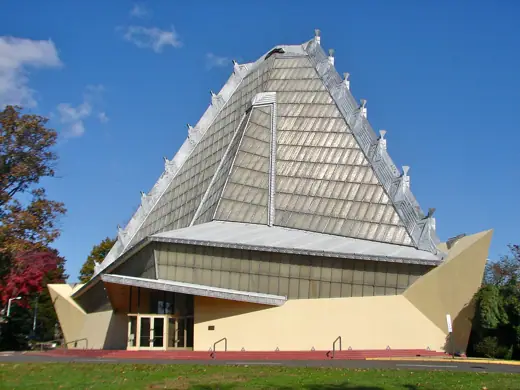 Beth Sholom Synagogue1959 · Elkins Park
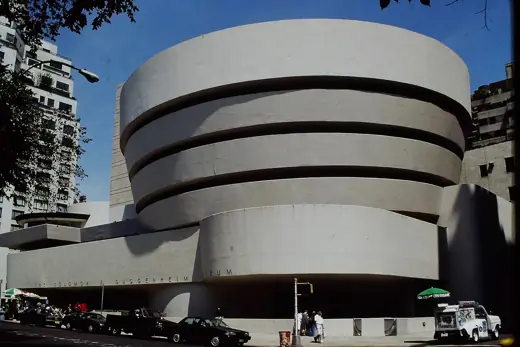 Solomon R. Guggenheim Museum1959 · New York
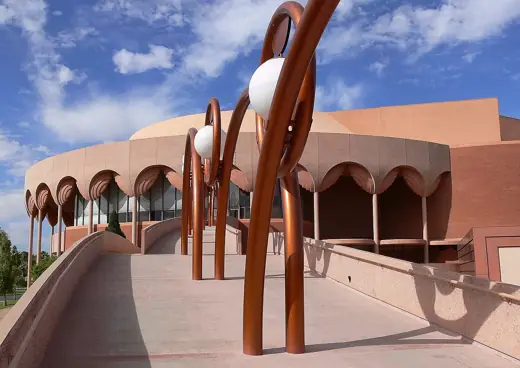 Grady Gammage Memorial Auditorium1964 · Tempe