Jørn Utzon (1918–2008) was a Danish architect best known for the Sydney Opera House and for what he called "additive architecture": buildings made from repeated parts that grow, he said, like a tree. He trained at the Royal Danish Academy of Fine Arts and was influenced early by Gunnar Asplund and Alvar Aalto. He won the Pritzker Prize in 2003.
Read moreShow less
Utzon won the 1957 competition for the Sydney Opera House (1973), but in 1966, after a dispute over the roof, he resigned, left Australia and never returned to see it finished. When it became a UNESCO World Heritage Site in 2007, he was the second architect, after Oscar Niemeyer, to see a work so listed in his lifetime. In Denmark, the Kingo Houses in Helsingør (1958) set dozens of L-shaped courtyard homes, modelled on traditional farmhouses, like "flowers on the branch of a cherry tree". Bagsværd Church near Copenhagen (1976) is lit by daylight under a concrete ceiling of soft, rounded vaults. Can Lis on Mallorca (1972) was shaped by local materials and climate. Jørn Utzon's buildings are studied for their growth from simple parts and their tie to landscape.
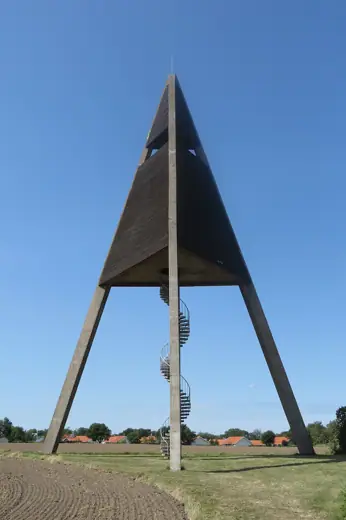 Svaneke Water Tower1952 · Svaneke
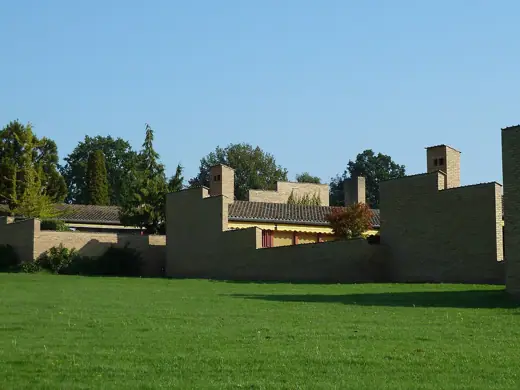 Fredensborg Houses1963 · Fredensborg
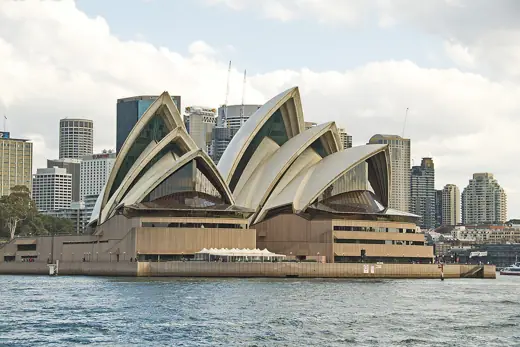 Sydney Opera House1973 · Sydney
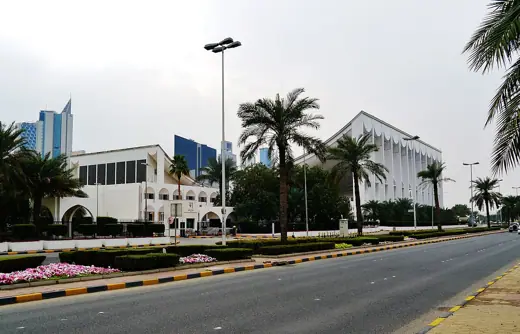 Kuwait National Assembly1982 · Kuwait City
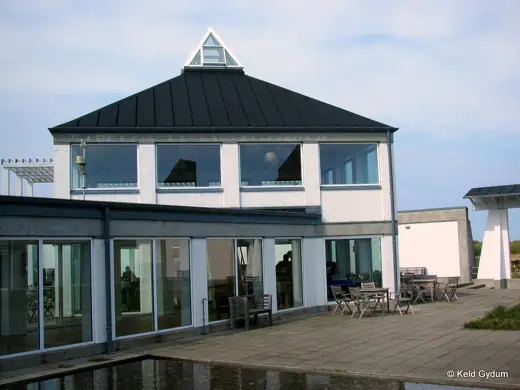 Skagen Odde Nature Centre2000 · Skagen
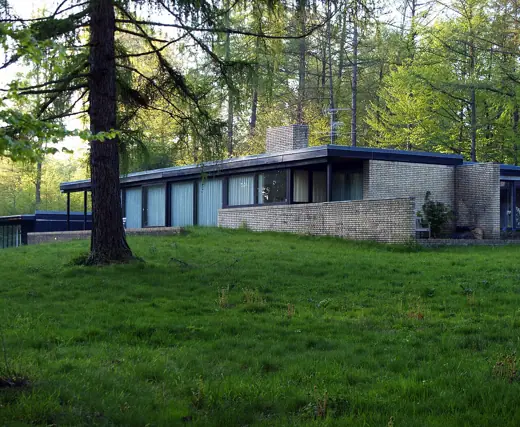 Utzon House, Hellebæk1952 · Hellebæk
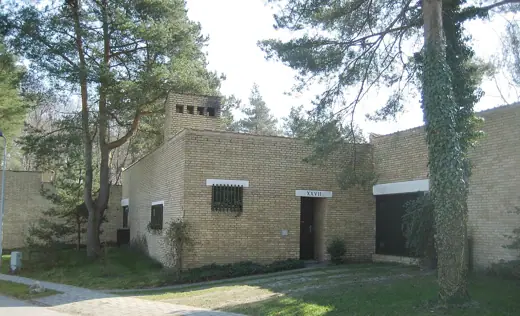 Kingo Houses1958 · Helsingør
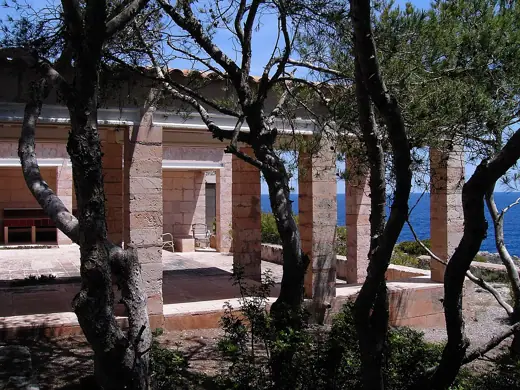 Can Lis1972 · Mallorca
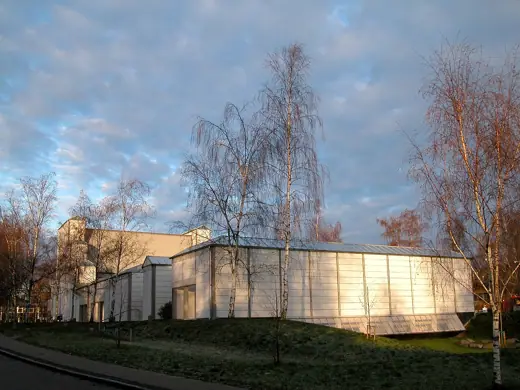 Bagsværd Church1976 · Copenhagen
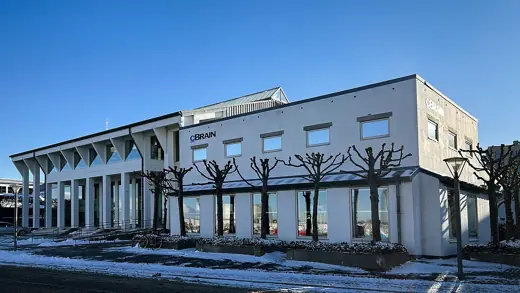 Paustian House1987 · Copenhagen
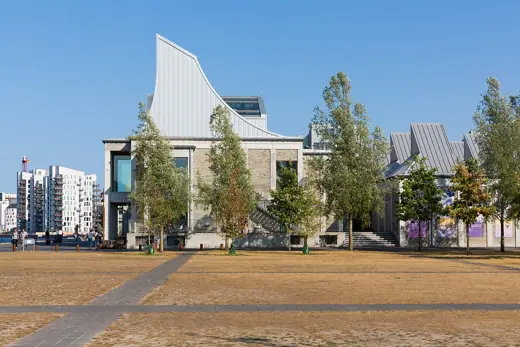 Utzon Center2008 · Aalborg