Antoni Gaudí (1852–1926) was a Catalan architect and designer, the best-known figure of Catalan Modernisme, whose personal style drew on nature, religion and neo-Gothic art. Most of his work is in Barcelona, and between 1984 and 2005 seven of his works were listed as UNESCO World Heritage Sites. He used catenary arches to spread loads evenly, said that no structure was better than a tree trunk or a human skeleton, and covered surfaces in trencadís, a mosaic of broken ceramic.
Read moreShow less
Palau Güell (1890) was one of several works for his patron, the industrialist Eusebi Güell. Casa Batlló (1906), among his finest buildings, is nicknamed the "House of the Dragon". Casa Milà (1912), called La Pedrera, "the stone quarry", has an undulating, self-supporting stone façade that leaves the floors behind it free to plan. Catenary arches carry both Casa Milà and the Crypt of Colonia Guell (1914). The Sagrada Familia, begun in 1882 under another architect, was less than a quarter built when Gaudí died; with a tower 172.5 metres high, it is now the world's tallest church. Gaudí's buildings are studied for structure learned from nature.
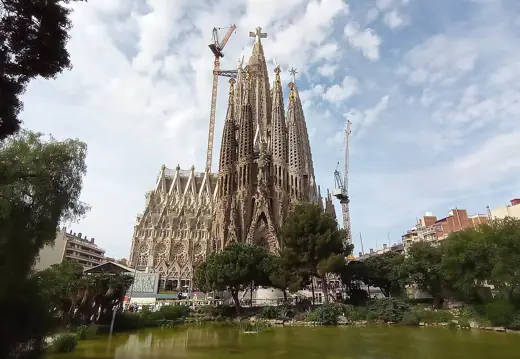 Sagrada Familiabegun 1882 · Barcelona
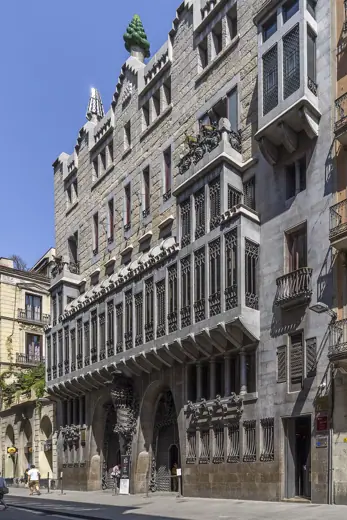 Palau Güell1890 · Barcelona
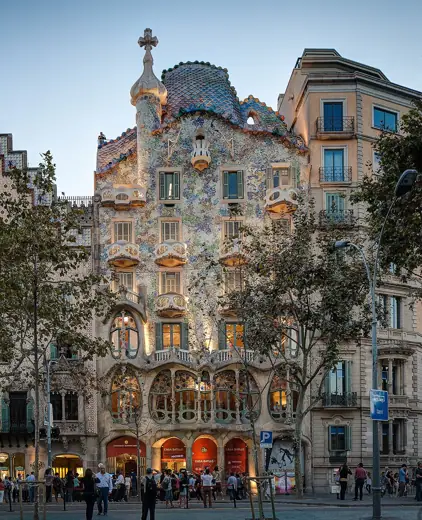 Casa Batlló1906 · Barcelona
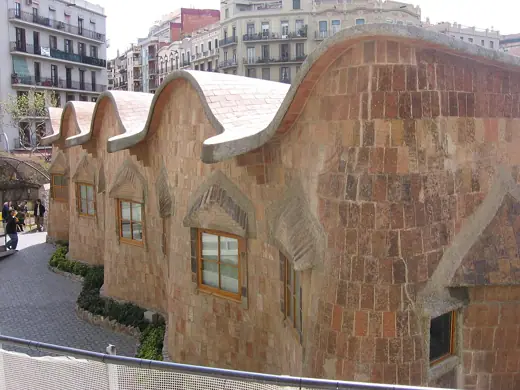 Sagrada Família schools1909 · Barcelona
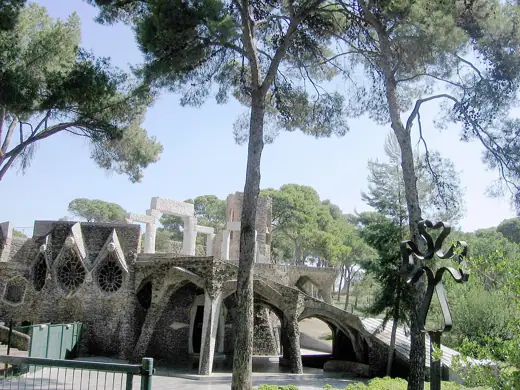 Crypt of Colonia Guell1914 · Santa Coloma de Cervello
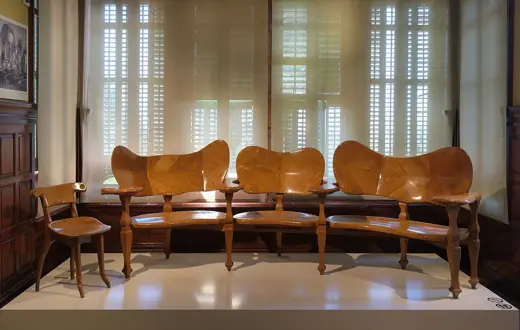 Park Güell1914 · Barcelona
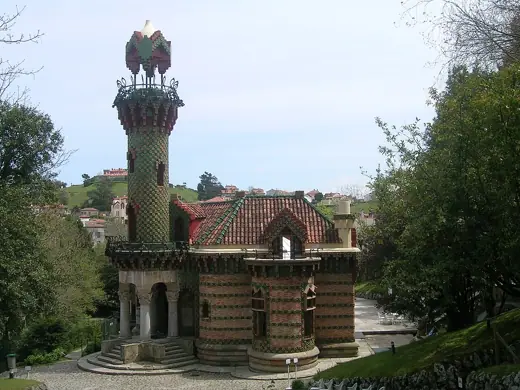 El Capricho1885 · Comillas
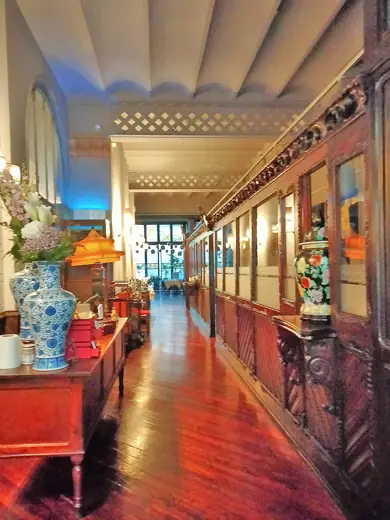 Casa Calvet1900 · Barcelona
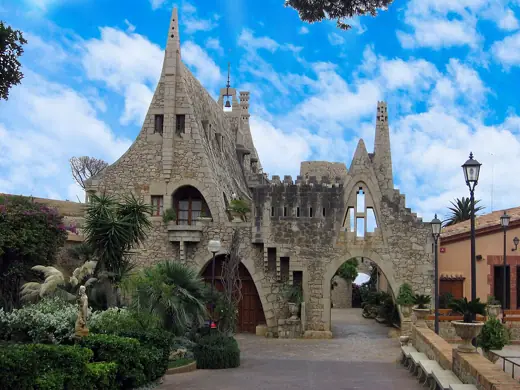 Bodegas Güell1901 · Sitges
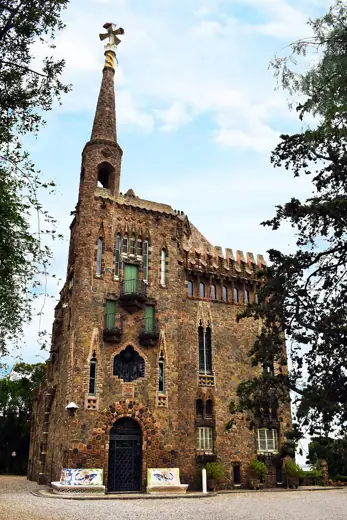 Bellesguard1909 · Barcelona
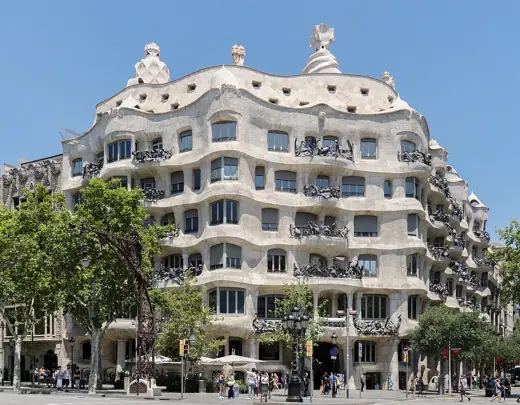 Casa Milà1912 · Barcelona