




Workplace · Modernism
Sunila Pulp Mill and Housing

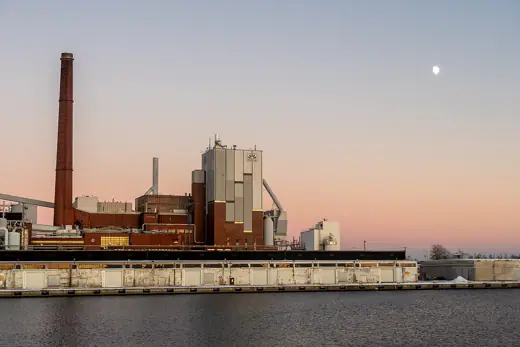
Key featuresAalto's pulp mill, workers' housing and town plan for Ahlström, built 1937-39.
About the building
A pulp mill opened at Sunila in Kotka in 1938, where a sawmill had stood, operated by Sunila Oy, an Ahlström subsidiary. Ahlström's chief executive, Harry Gullichsen, proposed Alvar and Aino Aalto as architects; the mill, housing and town plan are dated 1936–1939. Next to the mill, staff housing mainly by Aalto grew to more than 20 buildings, mostly low-rise flats, with terraced houses and the manager's detached house, Kantola, finished first. The housing went up from the mid-1930s to the mid-1950s. The homes stand in natural woodland, meant to aid residents' health, and follow the contours of the land. Sunila is the largest Aalto-designed ensemble ever built. Finland nominated it in 2025 among 13 Aalto sites, and the Aalto Works joined UNESCO's World Heritage List in July 2026. The plant still operates as Finland's oldest surviving sulfate pulp mill.
Sources: Sunila, Kotka · Alvar Aalto (Wikipedia)
More by Alvar AaltoAll 51 →
More with communityAll 241 →


DocumentariesAll documentaries →
Find more with
Community241 buildings →Landscape736 buildings →Structure as expression668 buildings →Workplace163 buildings →Each opens every building that shares the idea.
Details
- Place
- Kotka, Finland
- Year
- 1939
- Typology
- Workplace
- Movement
- Modernism
- Region
- Europe
Go deeper





See all 7 links

More · WorkplaceAll 163 →
Portrait: Unknown author · Public domain · source