Lúcio Costa (1902–1998) was a Brazilian architect and urban planner, best known for the Pilot Plan of Brasília. Born in Toulon, France, to Brazilian parents, he was schooled in England and Switzerland and graduated in architecture in Rio de Janeiro in 1924. After early work in an eclectic manner he turned to modernism in 1929. From 1937 he worked for Brazil's national heritage service, later leading it. He is associated with joining traditional Brazilian forms and building methods to the modernism of Le Corbusier.
Read moreShow less
For the heritage service he designed the Museu das Missões in Rio Grande do Sul (1940), built from material taken from the ruins of a Jesuit mission. The Gustavo Capanema Palace in Rio (1945), designed with Oscar Niemeyer, Roberto Burle Marx and others with Le Corbusier as consultant, was the first modernist public building in the Americas, raised on pilotis and shaded by adjustable brise-soleil. The Parque Guinle housing in Rio (1954) followed. His 1957 competition plan laid Brasília out as two crossing axes, and on its Monumental Axis he built the 224-metre Brasília TV Tower (1967).
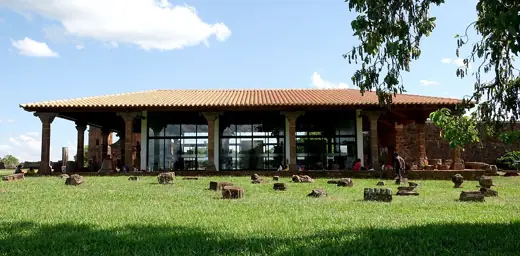 Museu das Missões1940 · São Miguel das Missões
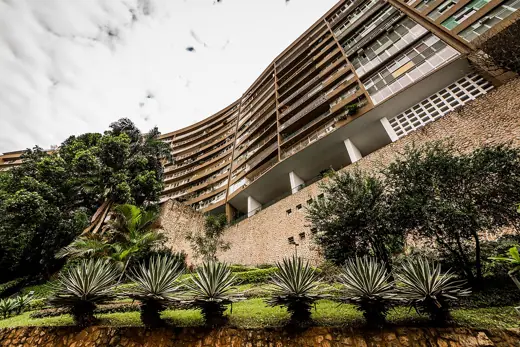 Parque Guinle1954 · Rio de Janeiro
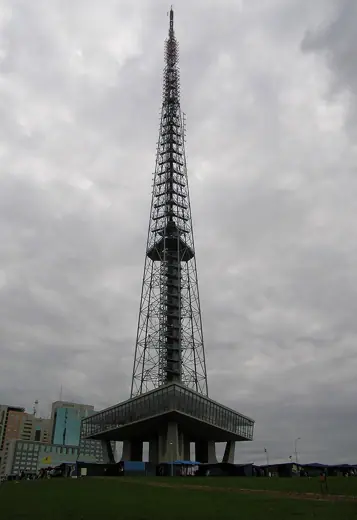 Brasília TV Tower1967 · Brasília
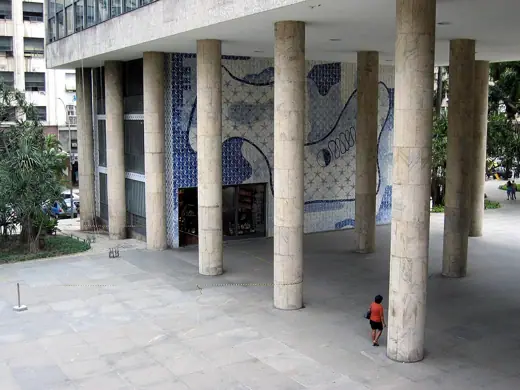 Gustavo Capanema Palace1945 · Rio de Janeiro
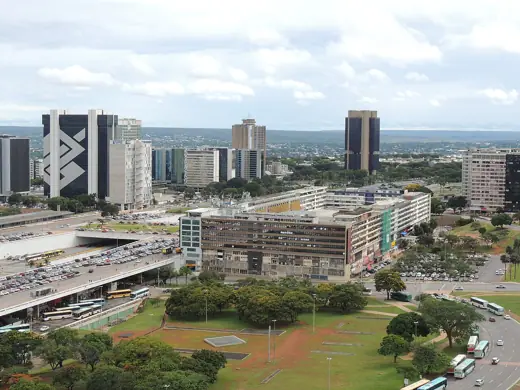 Brasília Bus Station (Rodoviária do Plano Piloto)1960 · Brasília