Kunio Maekawa (1905–1986) was a Japanese architect and a key figure of modernism in post-war Japan. After working in the studios of Le Corbusier and Antonin Raymond, he set up his own firm in 1935 and spent his career holding Japanese tradition and European modernism in tension. Kenzō Tange was among the architects who began in his office, and he received the UIA Auguste Perret Prize in 1963.
Read moreShow less
His own house of 1942, the House of Kunio Maekawa, now stands at the Edo-Tokyo Open Air Architectural Museum in Koganei. The Tokyo Bunka Kaikan (1961), a concert hall in Ueno Park designed with Junzo Sakakura and Takamasa Yoshizaka, sits beside Le Corbusier's National Museum of Western Art. His Kyoto Kaikan of 1960 lives on as today's Rohm Theatre Kyoto. From the 1960s he set glazed tiles straight into concrete as it was poured, a method called uchikomi, which became a signature of late works such as the Tokyo Metropolitan Art Museum (1975) and the Museum of East Asian Art in Cologne (1977). Kunio Maekawa's buildings are studied for how modernism can be adapted to local craft.
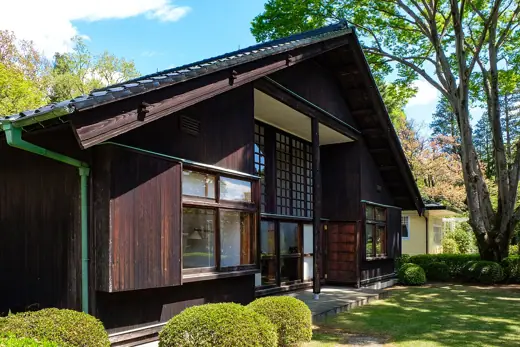 House of Kunio Maekawa1942 · Koganei
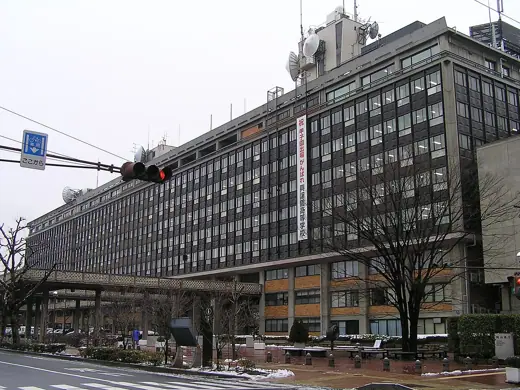 Okayama Prefectural Government Office Main Building1955 · Okayama
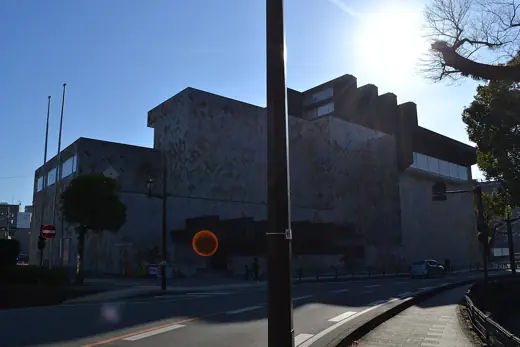 Kumamoto Prefectural Museum of Art1976 · Kumamoto
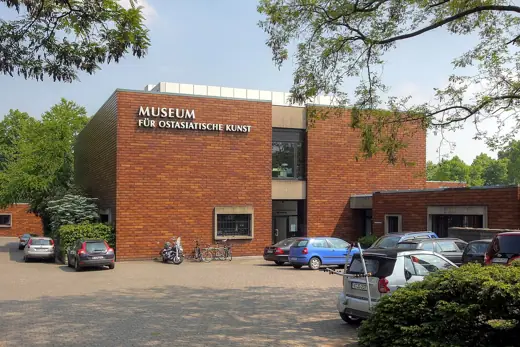 Museum of East Asian Art1977 · Cologne
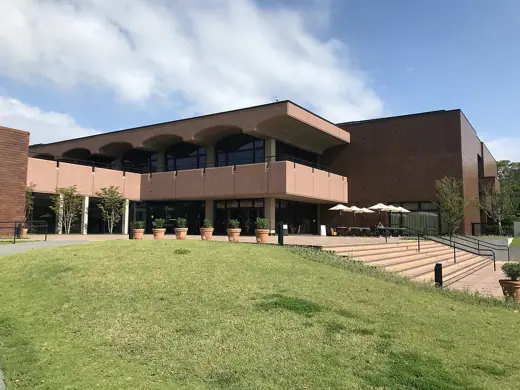 Fukuoka Art Museum1979 · Fukuoka
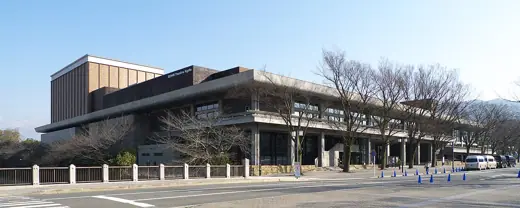 Rohm Theatre Kyoto2016 · Kyoto
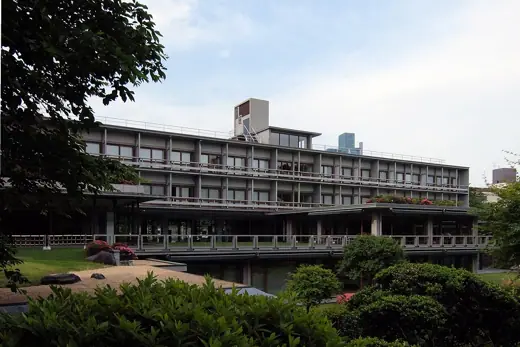 International House of Japan1955 · Tokyo
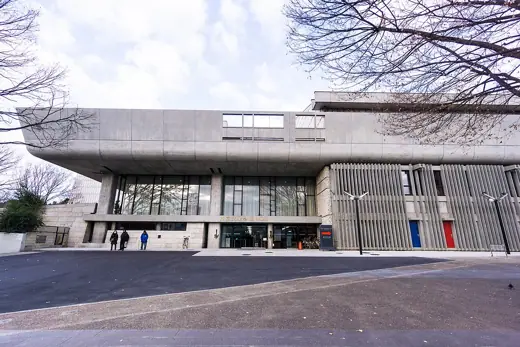 Tokyo Bunka Kaikan1961 · Tokyo
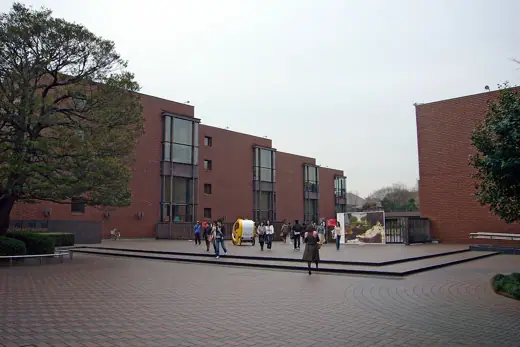 Tokyo Metropolitan Art Museum1975 · Tokyo
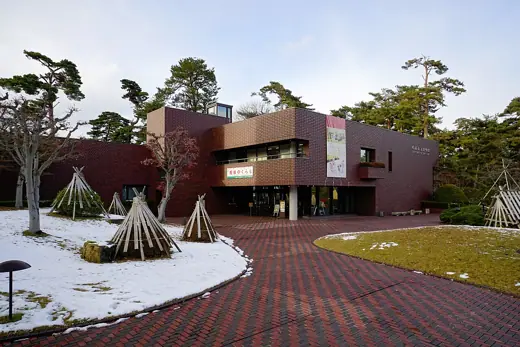 Hirosaki City Museum1977 · Hirosaki
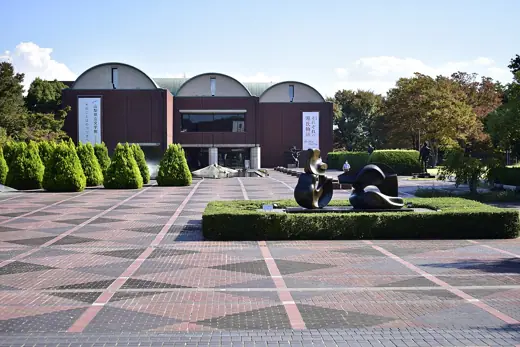 Yamanashi Prefectural Museum of Art1978 · Kofu
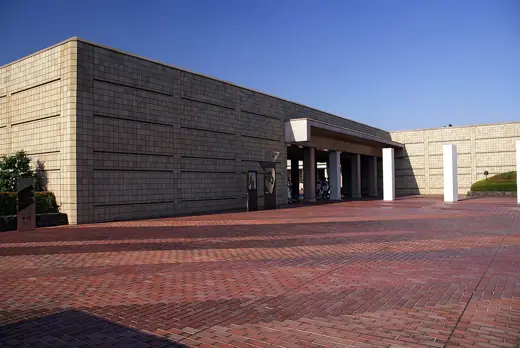 Miyagi Museum of Art1981 · Sendai