Kiyonori Kikutake (1928–2011) was a Japanese architect from Kurume and one of the founders of the Metabolist group. He is best known for Marine City (1958), a proposal for a floating city that became part of the Metabolist manifesto launched at the 1960 World Design Conference in Tokyo. He taught and employed several important architects, including Toyo Ito and Itsuko Hasegawa, worked on more than 40 buildings with the structural engineer Gengo Matsui, and received the UIA Auguste Perret Prize in 1978.
Read moreShow less
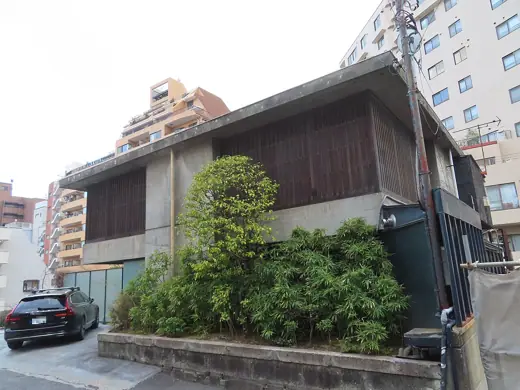
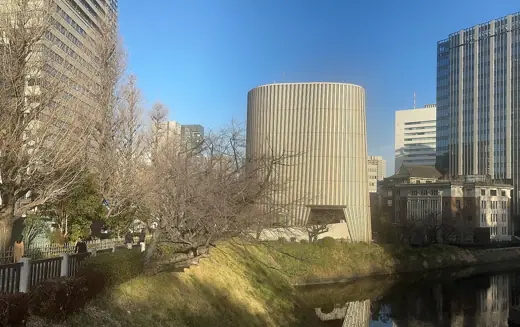
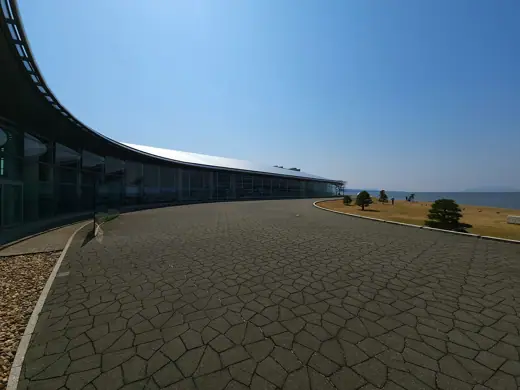
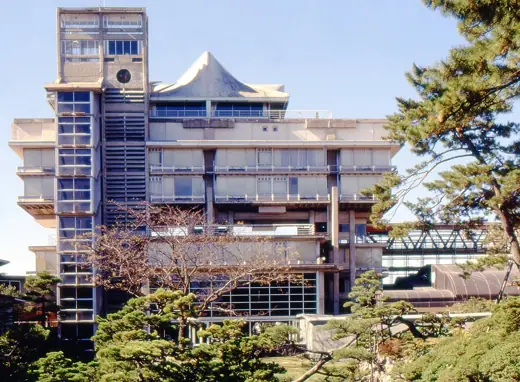
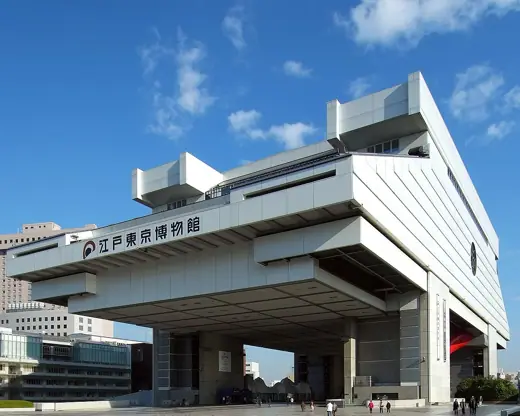
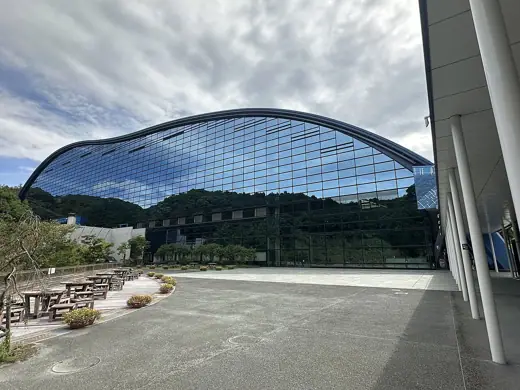
His own Sky House in Tokyo (1958) and the Hotel Tokoen in Yonago (1964) were designed with Matsui. The Edo-Tokyo Museum (1993) lifts seven floors 62 metres into the air on four great columns over an open plaza; its form comes from the traditional raised rice storehouse, and Kikutake said it "crystallizes Japanese culture in built form". The Shimane Art Museum (1999), the National Showa Memorial Museum in Tokyo (1999) and the Kyushu National Museum in Dazaifu (2005) are among his later public buildings. Kiyonori Kikutake's work is studied for Metabolist ideas of growth and change, and for big structures inspired by Japanese tradition.