Buildings 51
Sort
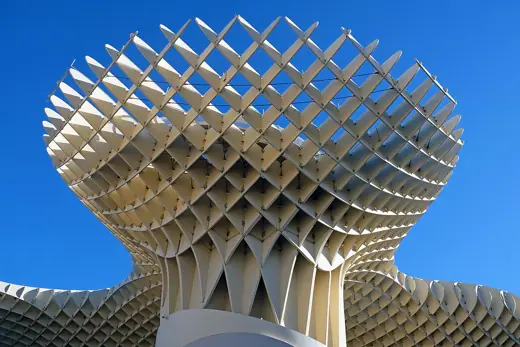 Metropol Parasol2011 · Seville
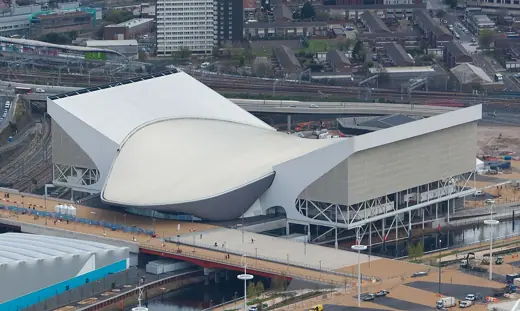 London Aquatics Centre2011 · London
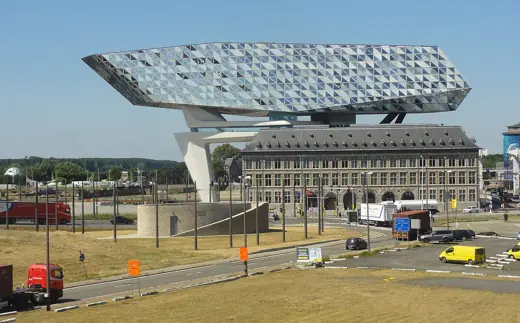 Port House2016 · Antwerp
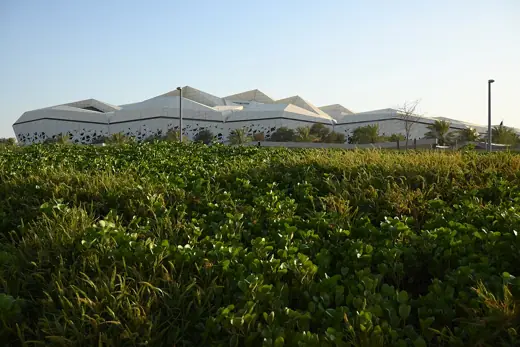 King Abdullah Petroleum Studies and Research Center2017 · Riyadh
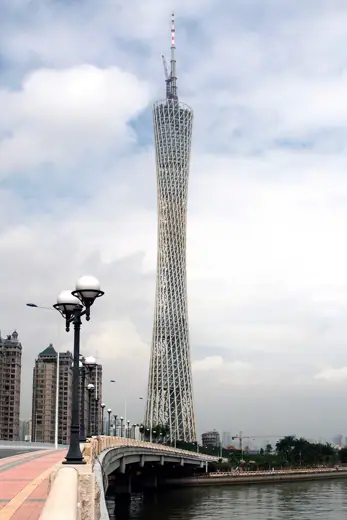 Canton Tower2010 · Guangzhou
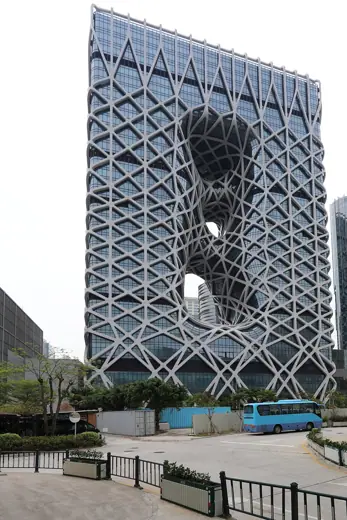 Morpheus Hotel2018 · Macau
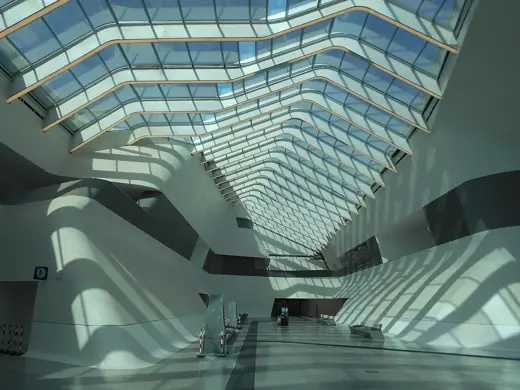 Napoli Afragola station2017 · Afragola
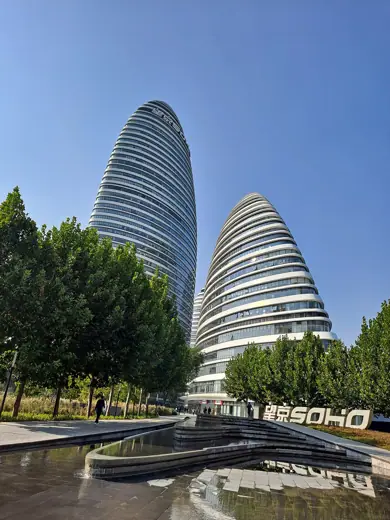 Wangjing SOHO2014 · Beijing
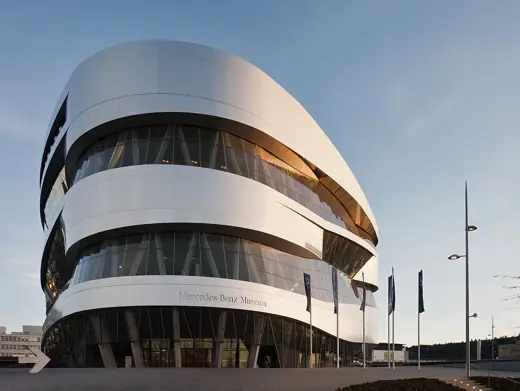 Mercedes-Benz Museum2006 · Stuttgart
 The Opus2020 · Dubai
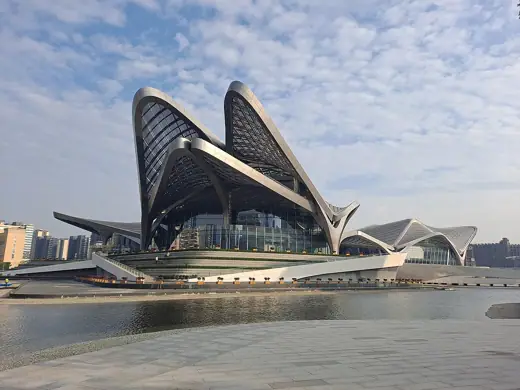 Jinwan Arts Center2023 · Zhuhai
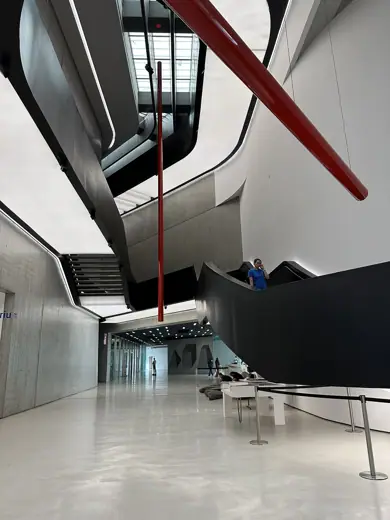 MAXXI2010 · Rome
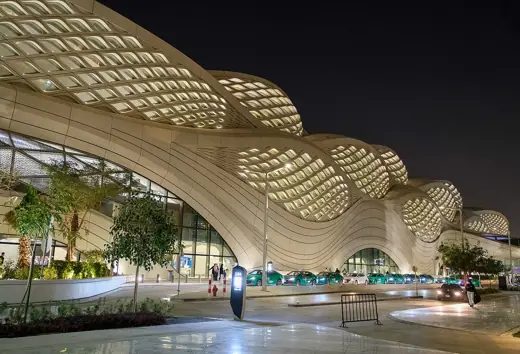 KAFD Metro Station2024 · Riyadh
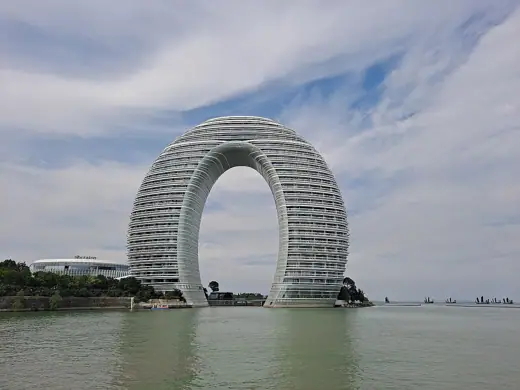 Sheraton Huzhou Hot Spring Resort2013 · Huzhou
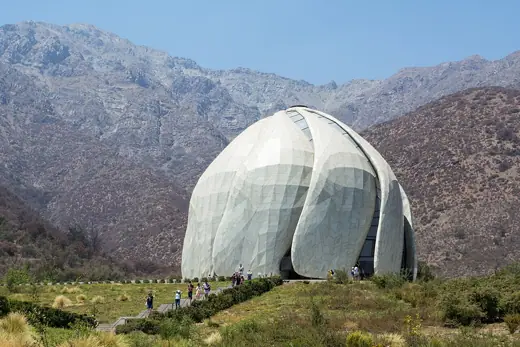 Baha'i Temple of South America2016 · Santiago
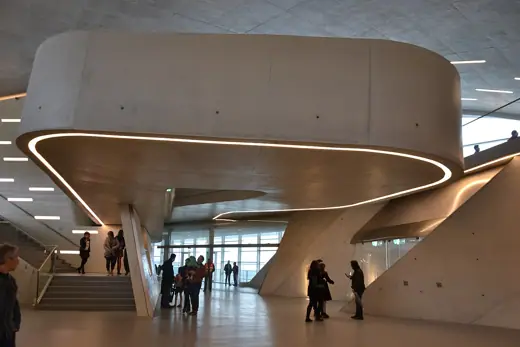 Salerno Maritime Terminal2016 · Salerno
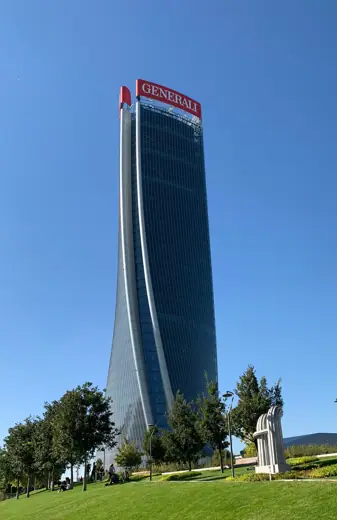 Generali Tower2017 · Milan
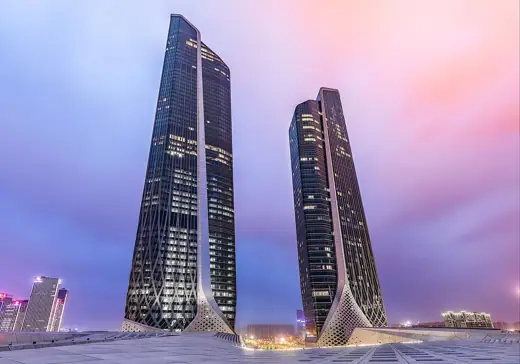 Nanjing International Youth Cultural Centre2018 · Nanjing
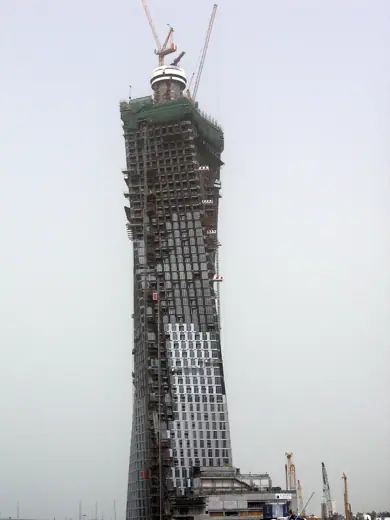 Cayan Tower2013 · Dubai
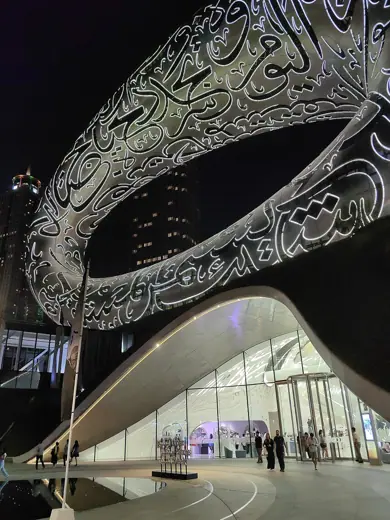 Museum of the Future2022 · Dubai
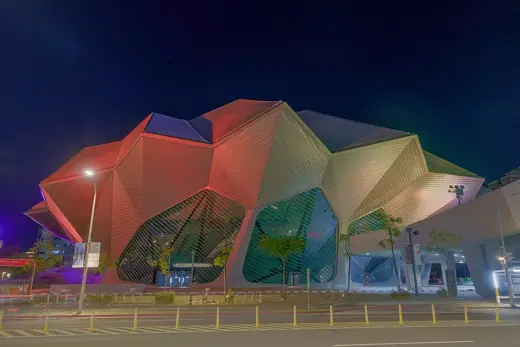 Taipei Music Center2020 · Taipei
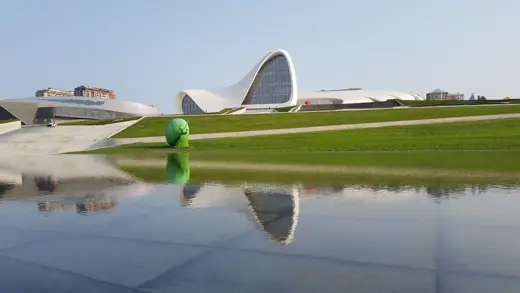 Heydar Aliyev Center2012 · Baku
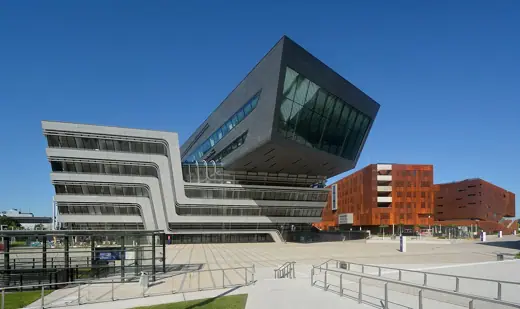 Library and Learning Center, Vienna University of Economics2013 · Vienna
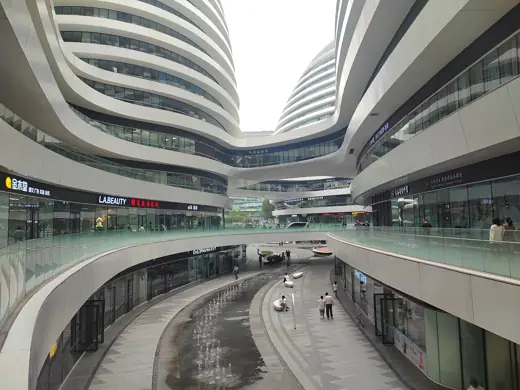 Galaxy SOHO2012 · Beijing
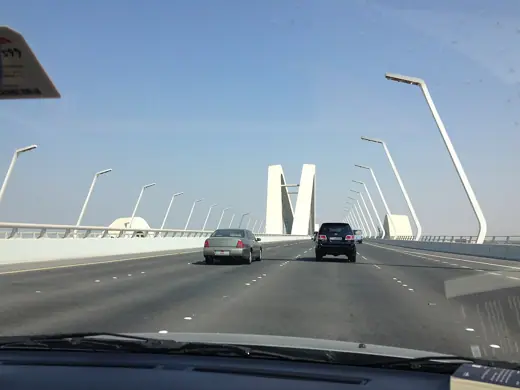 Sheikh Zayed Bridge2010 · Abu Dhabi
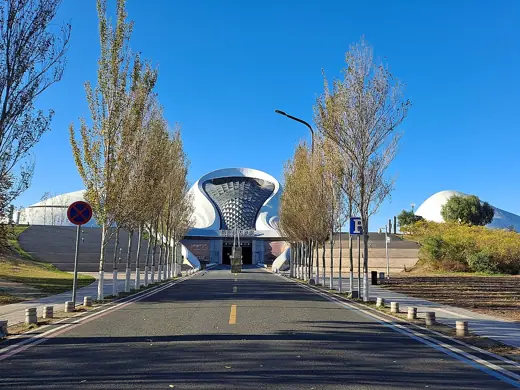 Harbin Opera House2015 · Harbin
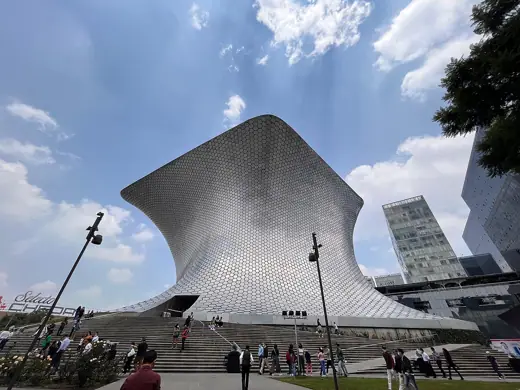 Museo Soumaya2011 · Mexico City
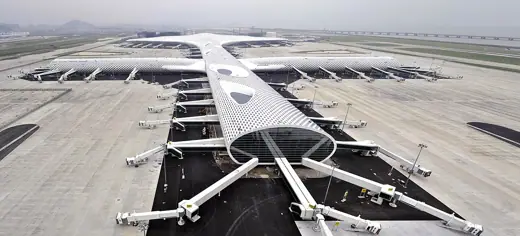 Shenzhen Bao'an International Airport Terminal 32013 · Shenzhen
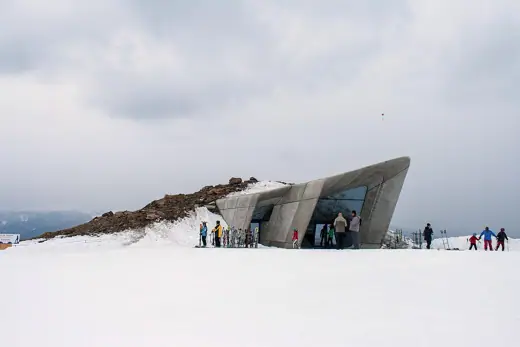 Messner Mountain Museum Corones2015 · Bruneck
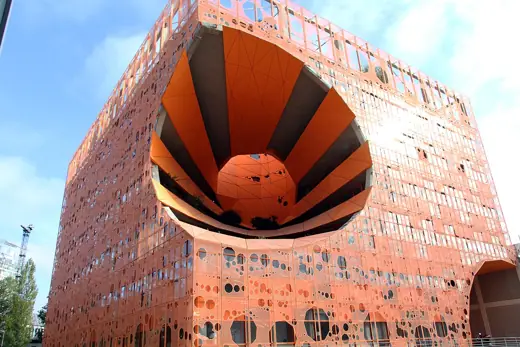 Orange Cube2010 · Lyon
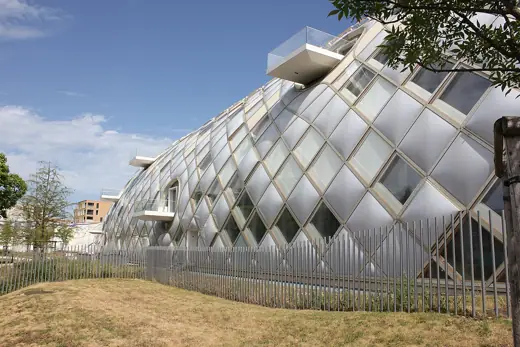 Swatch Headquarters, Biel2019 · Biel/Bienne
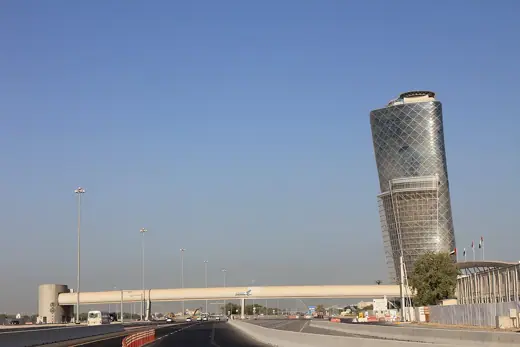 Capital Gate2011 · Abu Dhabi
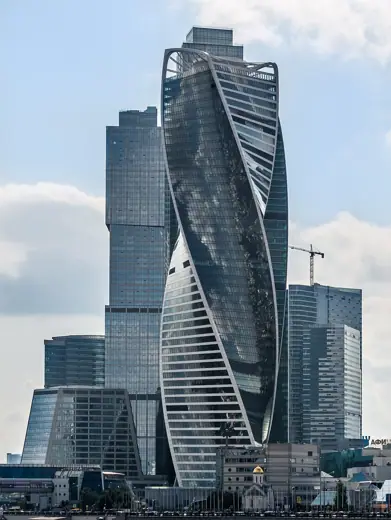 Evolution Tower2014 · Moscow
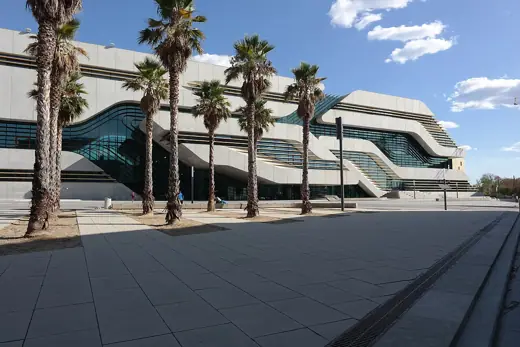 Pierresvives2012 · Montpellier
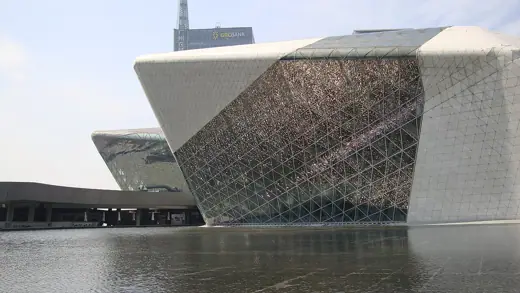 Guangzhou Opera House2010 · Guangzhou
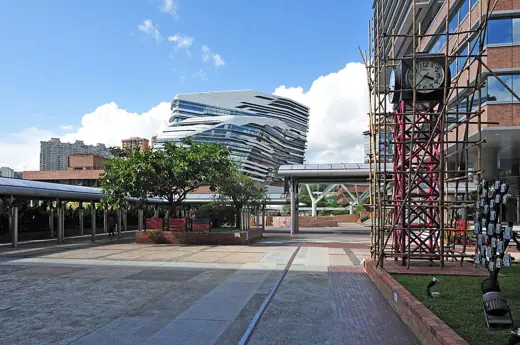 Jockey Club Innovation Tower2014 · Hong Kong
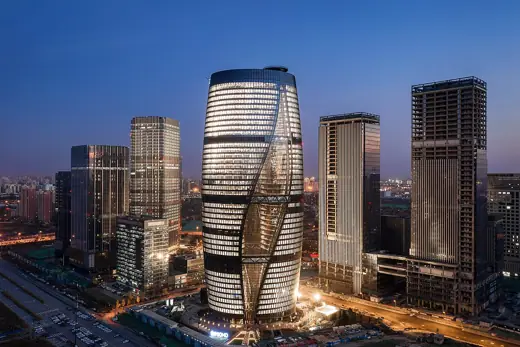 Leeza SOHO2019 · Beijing
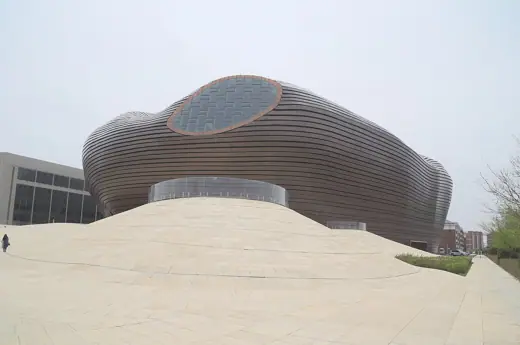 Ordos Museum2011 · Ordos
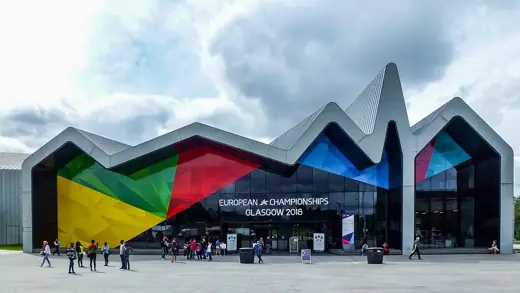 Riverside Museum2011 · Glasgow
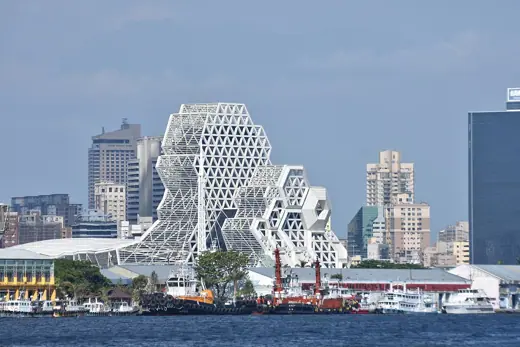 Kaohsiung Music Center2021 · Kaohsiung
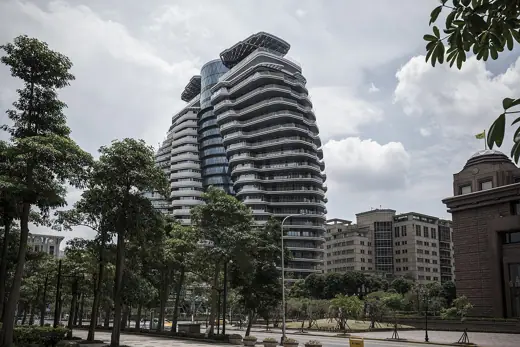 Tao Zhu Yin Yuan2018 · Taipei
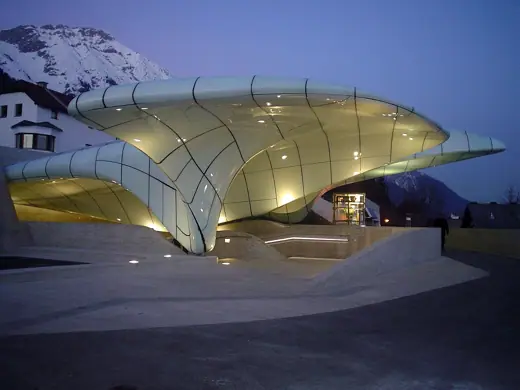 Hungerburgbahn stations2007 · Innsbruck
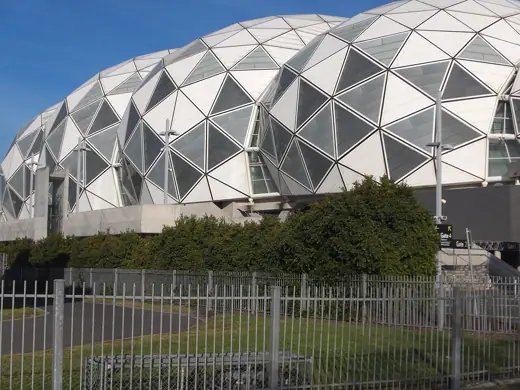 AAMI Park (Melbourne Rectangular Stadium)2010 · Melbourne
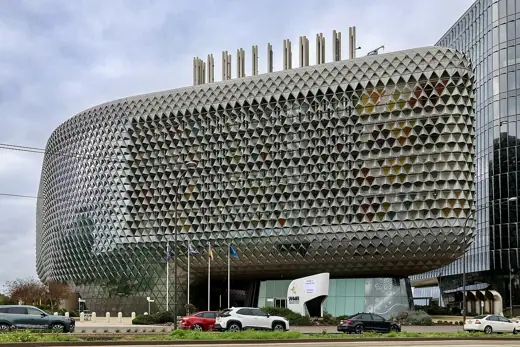 South Australian Health and Medical Research Institute (SAHMRI)2013 · Adelaide
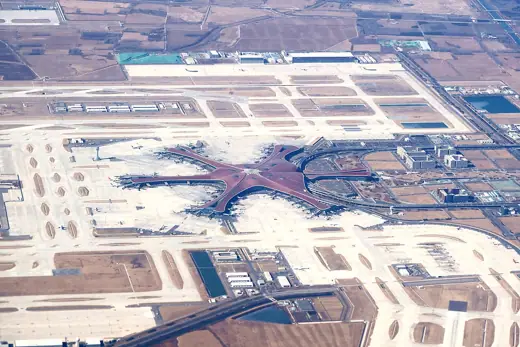 Beijing Daxing International Airport Terminal2019 · Beijing
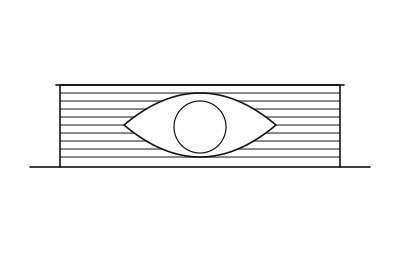 Tianjin Binhai Library2017 · Tianjin
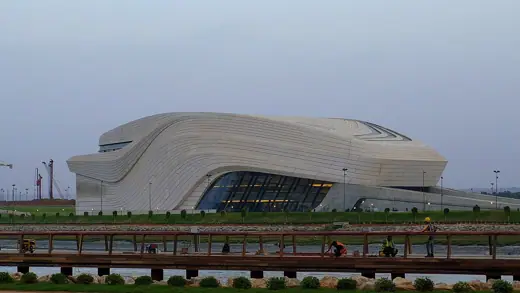 Royal Theatre of Rabat2021 · Rabat
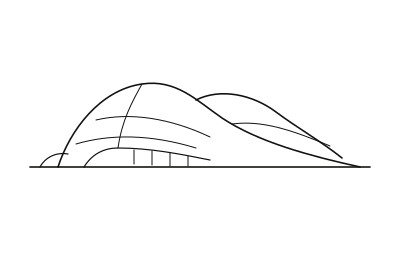 Bee'ah Headquarters2022 · Sharjah