I. M. Pei buildings 26
Sort
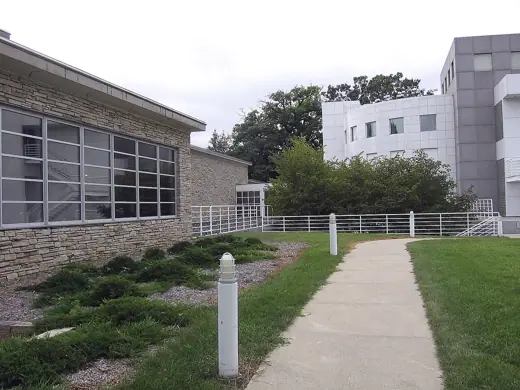 Des Moines Art Center1948 · Des Moines
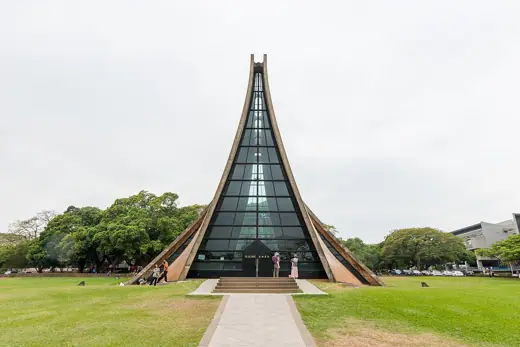 Luce Memorial Chapel1963 · Taichung
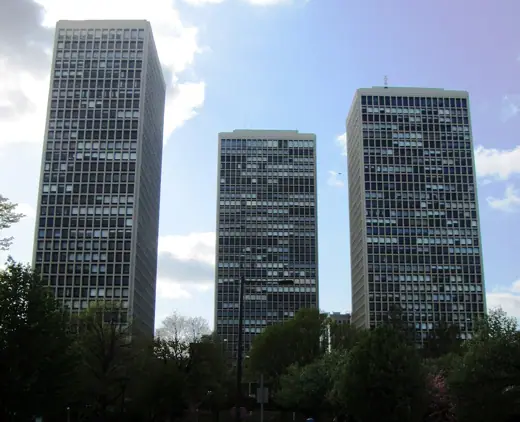 Society Hill Towers1964 · Philadelphia
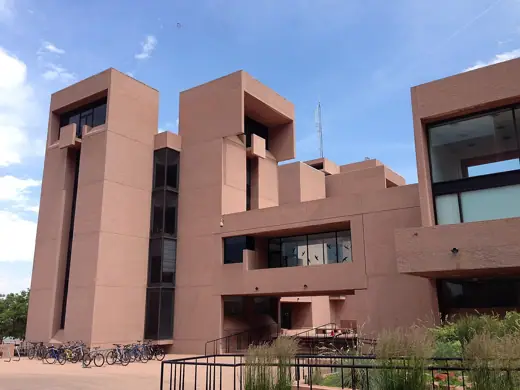 Mesa Laboratory (NCAR)1967 · Boulder
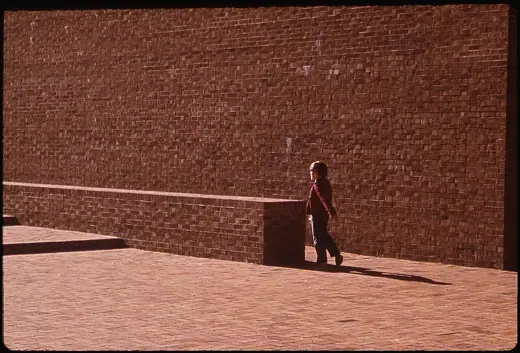 Cleo Rogers Memorial Library1969 · Columbus
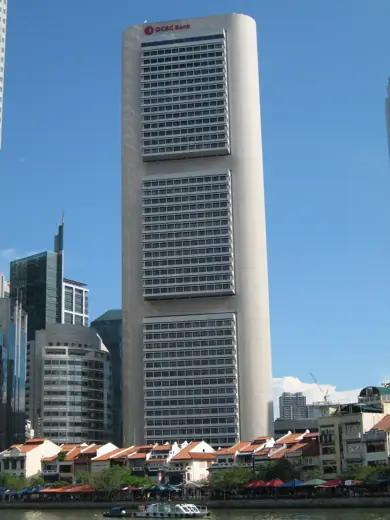 OCBC Centre1976 · Singapore
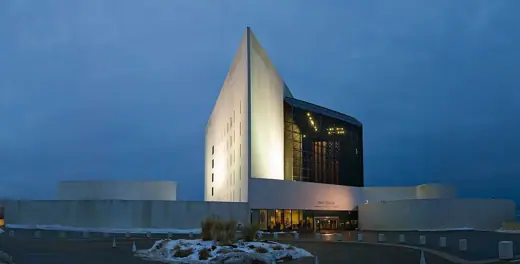 John F. Kennedy Presidential Library and Museum1979 · Boston
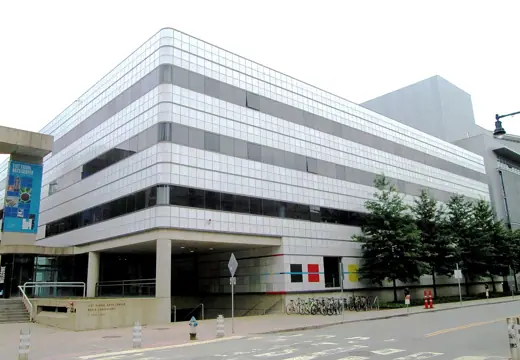 Wiesner Building (MIT Media Lab)1985 · Cambridge
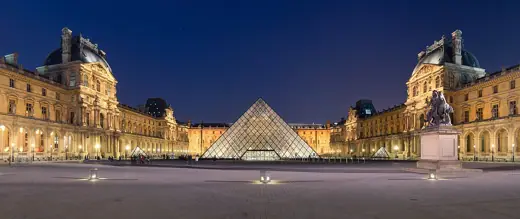 Louvre Pyramid1989 · Paris
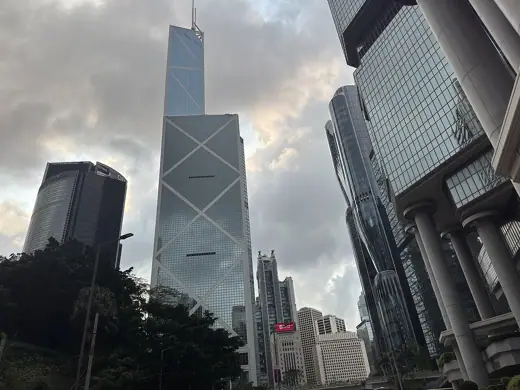 Bank of China Tower1990 · Hong Kong
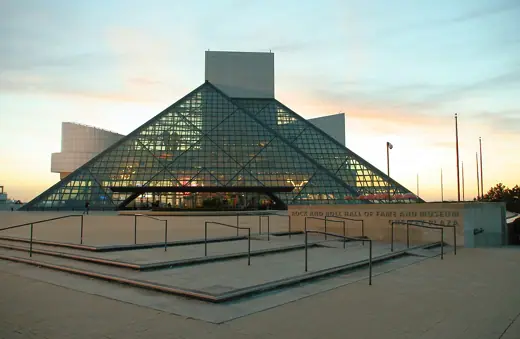 Rock and Roll Hall of Fame1995 · Cleveland
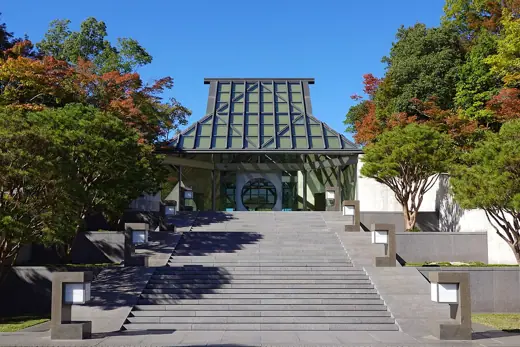 Miho Museum1997 · Koka
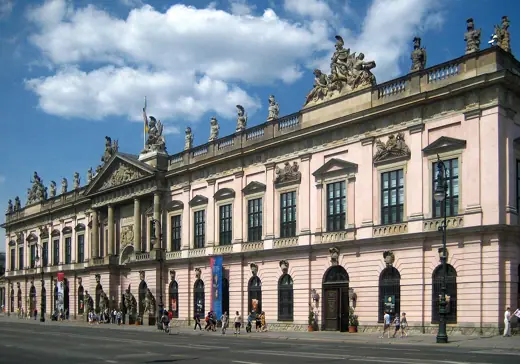 German Historical Museum, Pei Wing2003 · Berlin
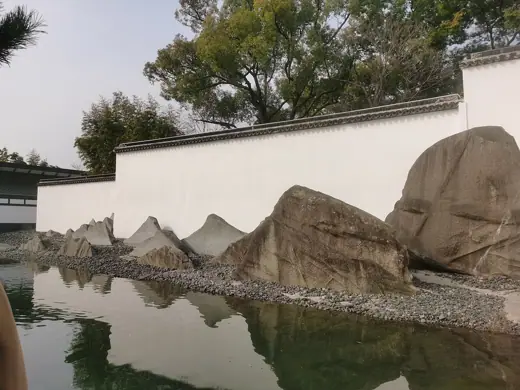 Suzhou Museum2006 · Suzhou
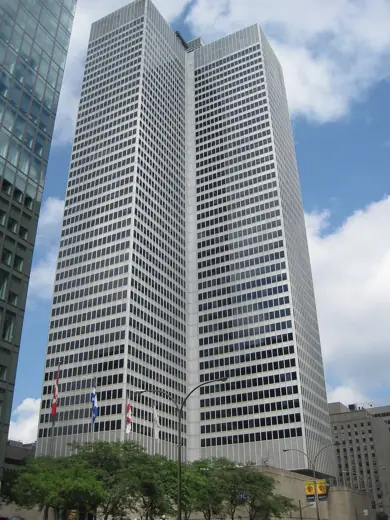 Place Ville Marie1962 · Montreal
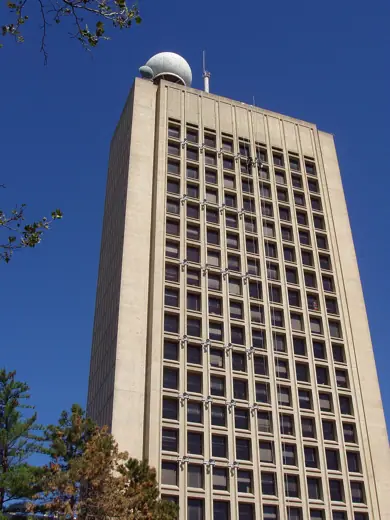 Green Building (MIT Building 54)1964 · Cambridge
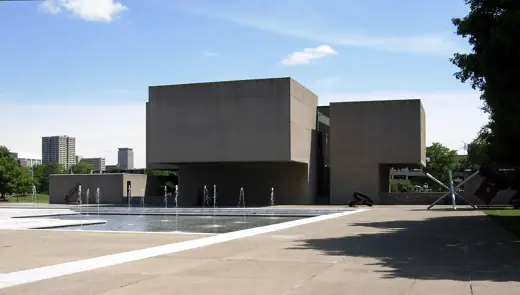 Everson Museum of Art1968 · Syracuse
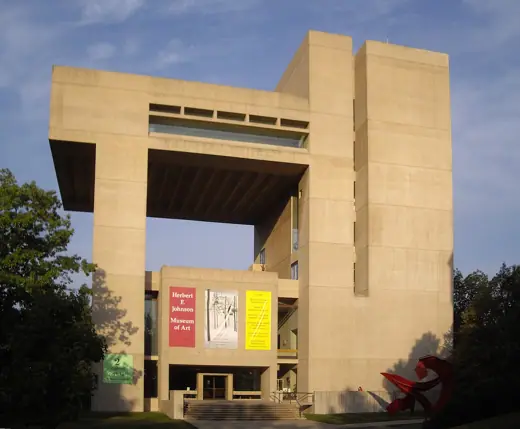 Herbert F. Johnson Museum of Art1973 · Ithaca
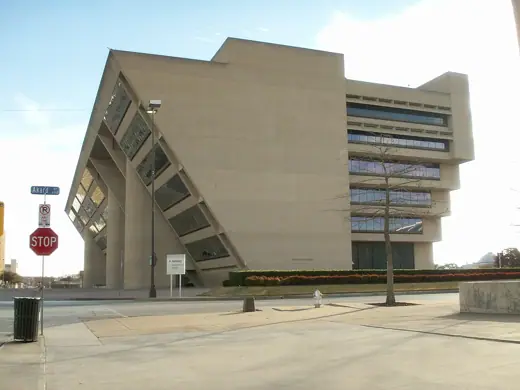 Dallas City Hall1978 · Dallas
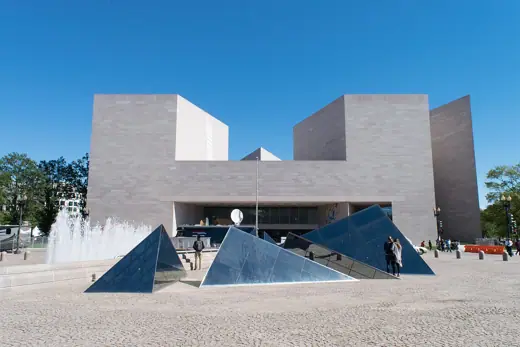 National Gallery of Art, East Building1978 · Washington
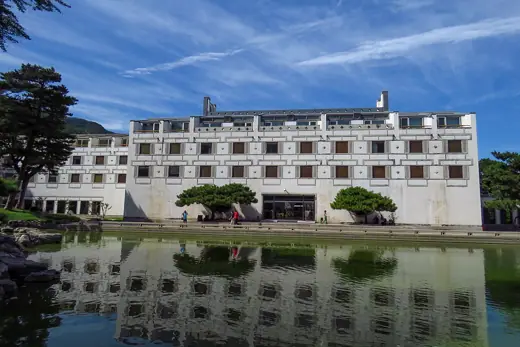 Fragrant Hill Hotel1982 · Beijing
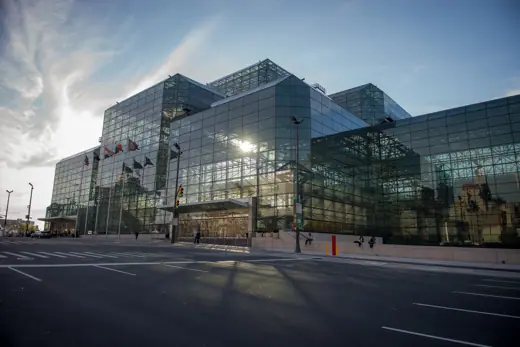 Jacob K. Javits Convention Center1986 · New York
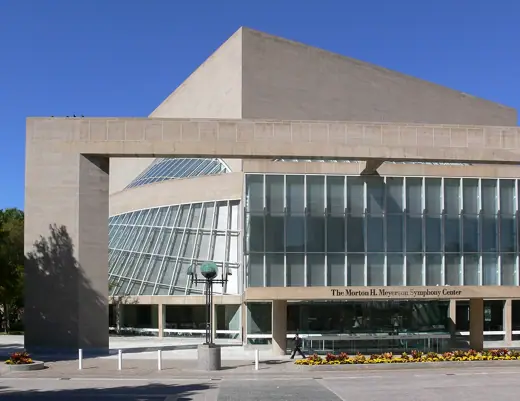 Morton H. Meyerson Symphony Center1989 · Dallas
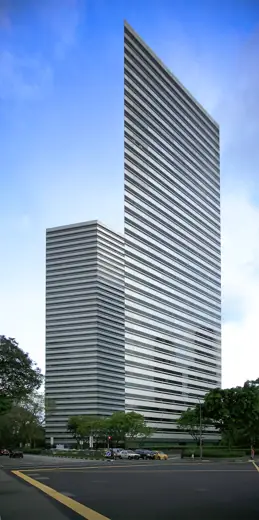 The Gateway1990 · Singapore
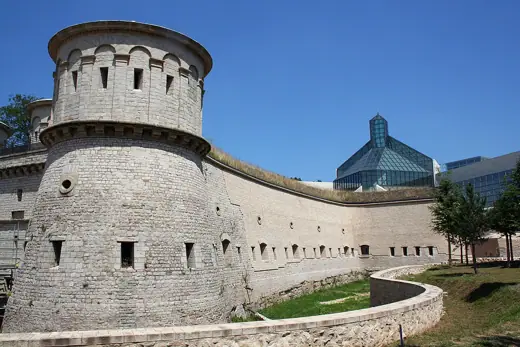 Mudam2006 · Luxembourg
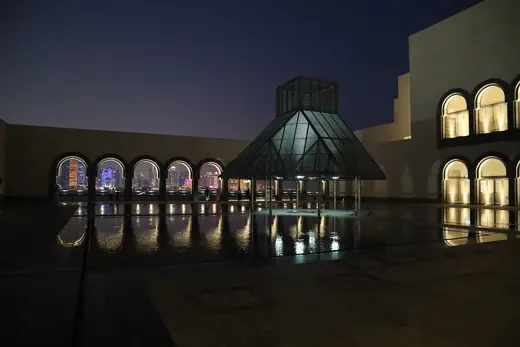 Museum of Islamic Art2008 · Doha