Kisho Kurokawa buildings 14
Sort
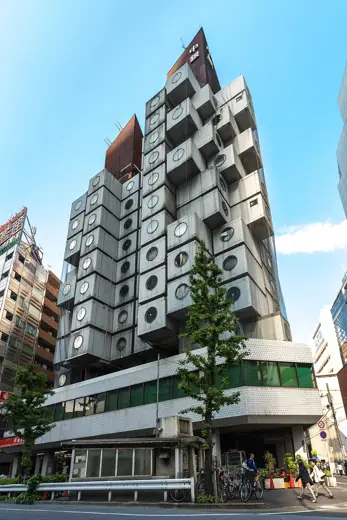 Nakagin Capsule Tower1972 · Tokyo
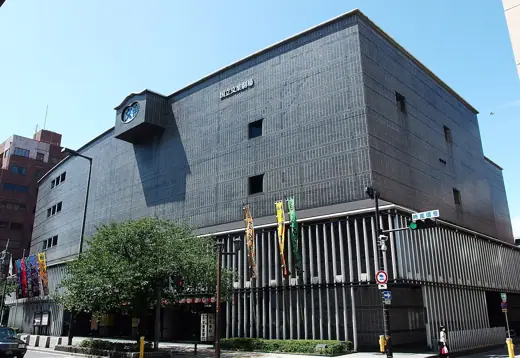 National Bunraku Theatre1983 · Osaka
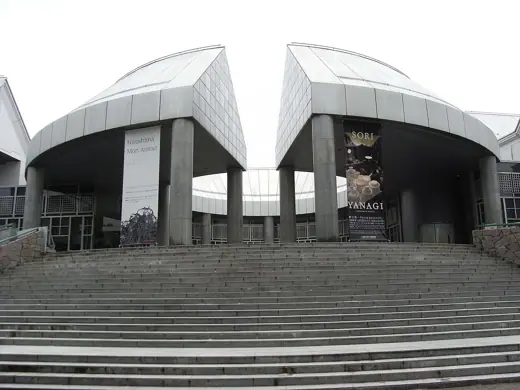 Hiroshima City Museum of Contemporary Art1988 · Hiroshima
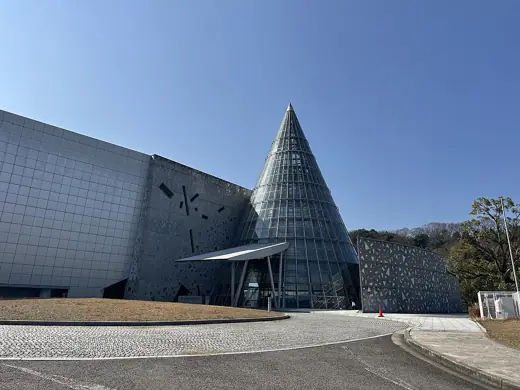 Ehime Prefectural Science Museum1994 · Niihama
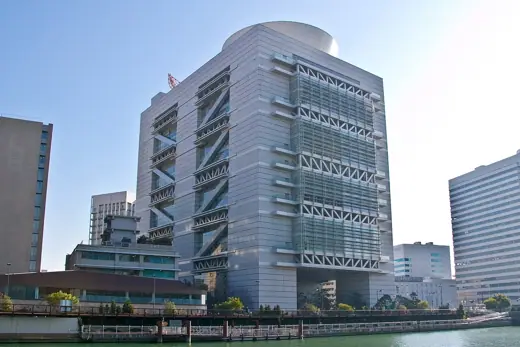 Osaka International Convention Center (Grand Cube Osaka)2000 · Osaka
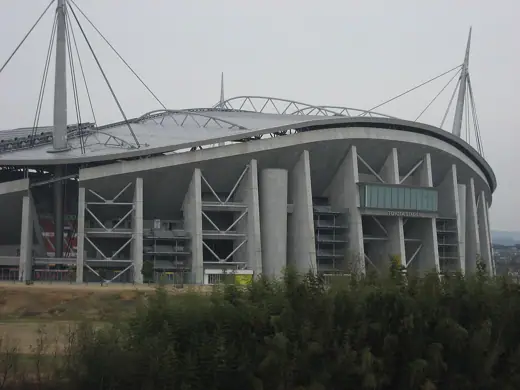 Toyota Stadium2001 · Toyota
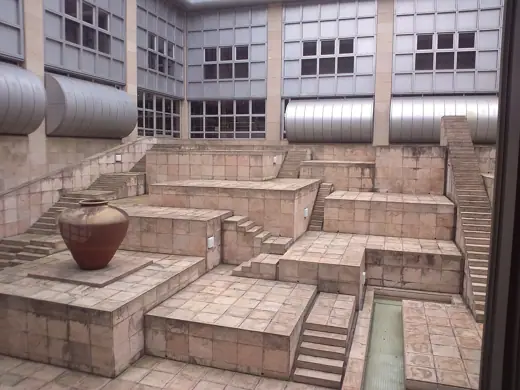 National Museum of Ethnology1977 · Suita
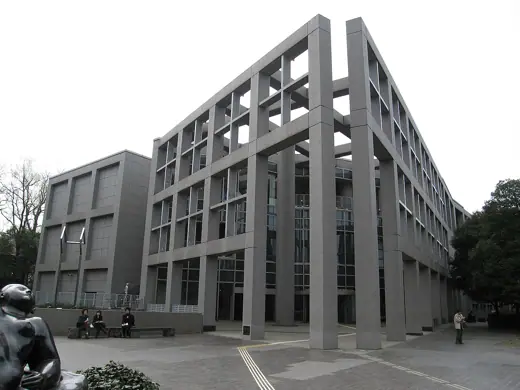 Museum of Modern Art, Saitama1982 · Saitama
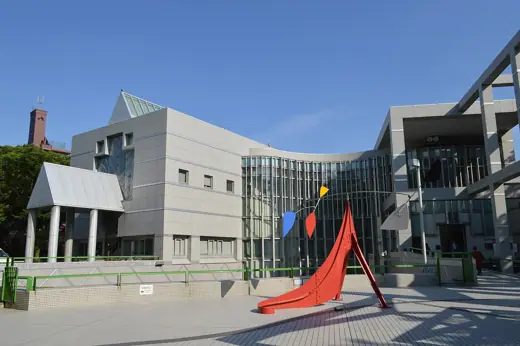 Nagoya City Art Museum1987 · Nagoya
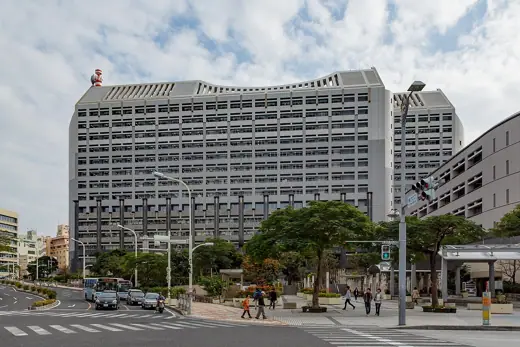 Okinawa Prefecture Government Building1990 · Naha
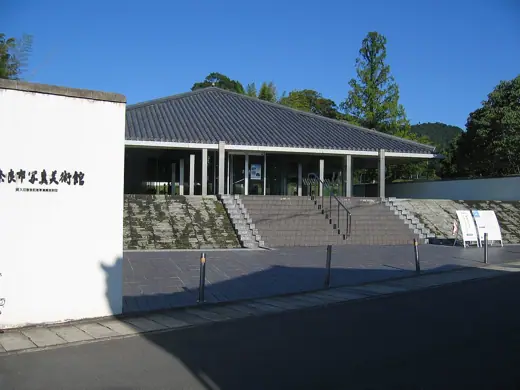 Irie Taikichi Memorial Museum of Photography1992 · Nara
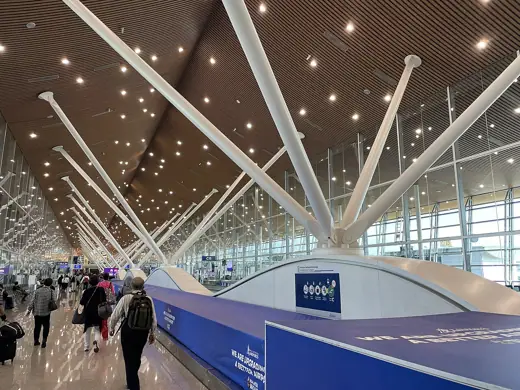 Kuala Lumpur International Airport1998 · Sepang
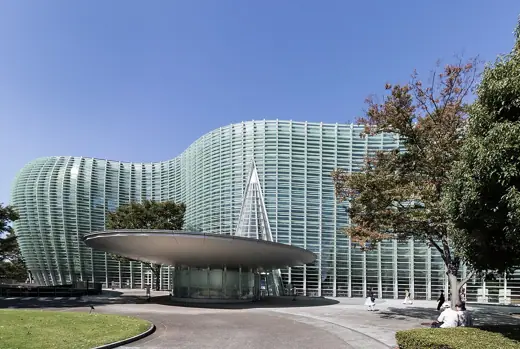 National Art Center, Tokyo2007 · Tokyo
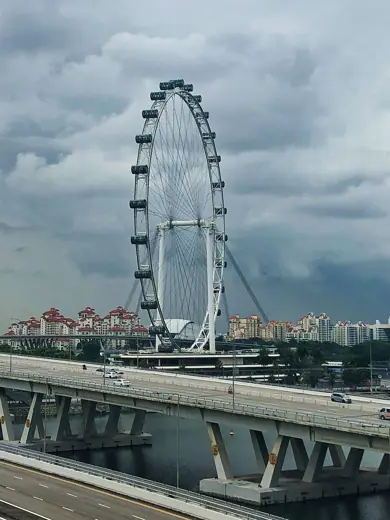 Singapore Flyer2008 · Singapore