Sigurd Lewerentz (1885–1975) was a Swedish architect whose small but exceptional body of work stretches from Nordic Classicism to two late brick churches that still influence architects today. Born at Sandö in Västernorrland, he first trained as a mechanical engineer at Chalmers in Gothenburg, then served an architectural apprenticeship in Germany, and opened his own office in Stockholm in 1911. With Gunnar Asplund he was a main architect of the 1930 Stockholm Exhibition, after which he turned away from architecture for years. He received the Prince Eugen Medal in 1950. The critic James Codrington praised his "daring, often rugged use of materials" and their "indefinable atmosphere".
Read moreShow less
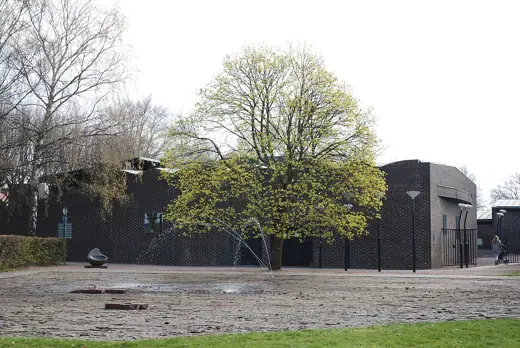
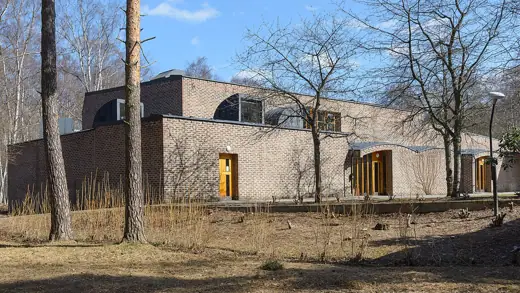
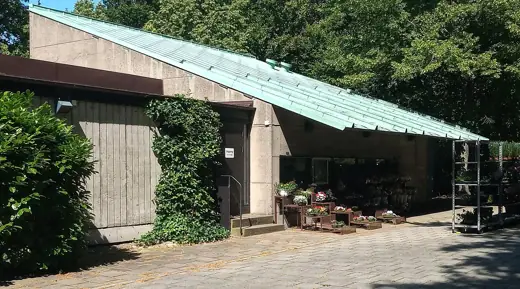
With Asplund he won the 1914–15 competition for the Woodland Cemetery in Stockholm (1940), though Asplund carried out its later stages alone; he also designed Malmö's Eastern Cemetery. In the last decade of his life two churches revived his career. St. Mark's Church (Markuskyrkan) in Björkhagen, Stockholm (1960), built of brick and timber with small recessed windows, draws on early Christian and Near Eastern brick building. St Peter's Church, Klippan (1966), square in plan, shares the same search for the essential and the primitive.