Oscar Niemeyer buildings 35
Sort
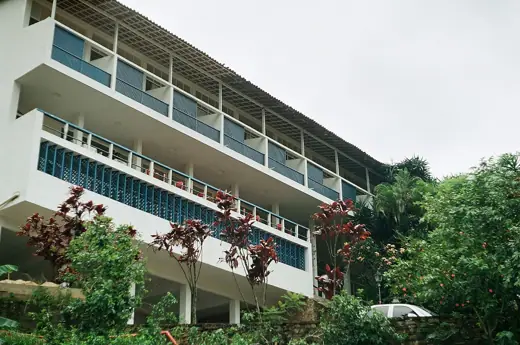 Grande Hotel de Ouro Preto1940 · Ouro Preto
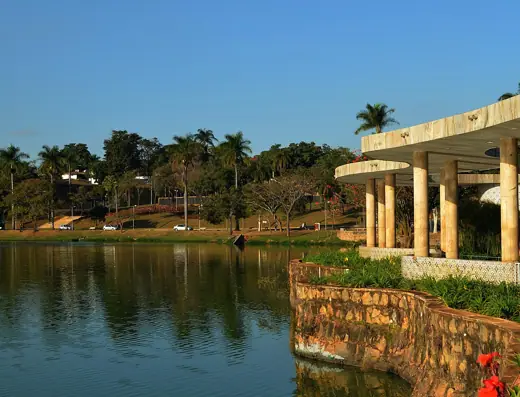 Casa do Baile (Pampulha Dance Hall)1943 · Belo Horizonte
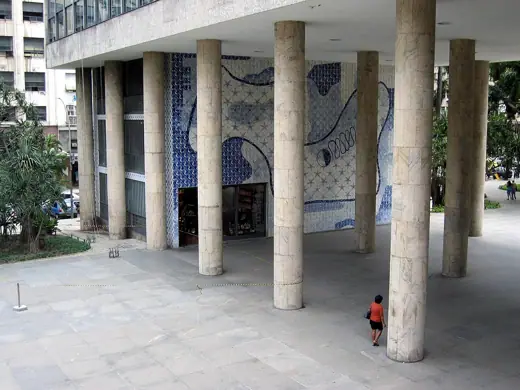 Gustavo Capanema Palace1945 · Rio de Janeiro
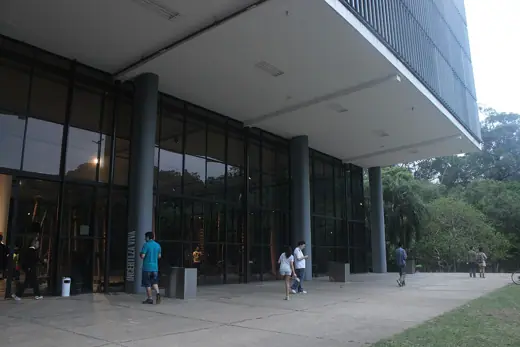 Bienal Pavilion (Pavilhão Ciccillo Matarazzo)1954 · São Paulo
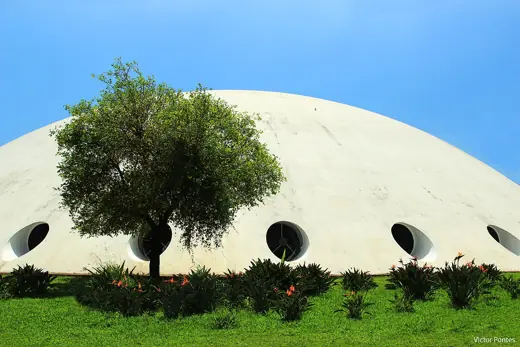 Oca, Ibirapuera Park1954 · São Paulo
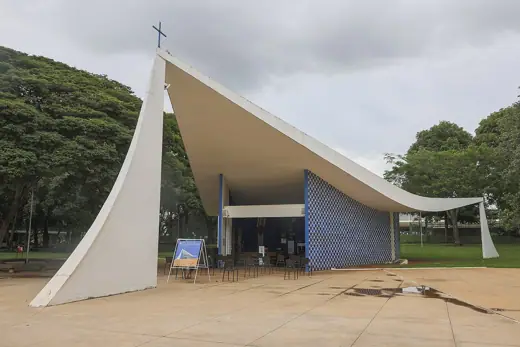 Igrejinha Nossa Senhora de Fátima1958 · Brasília
 Palácio da Alvorada1958 · Brasilia
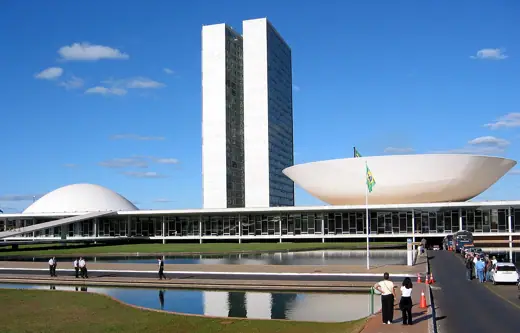 National Congress of Brazil1960 · Brasilia
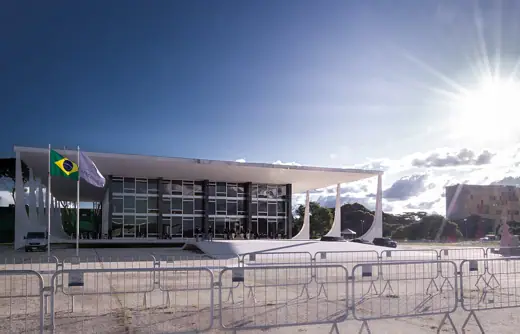 Supreme Federal Court1960 · Brasília
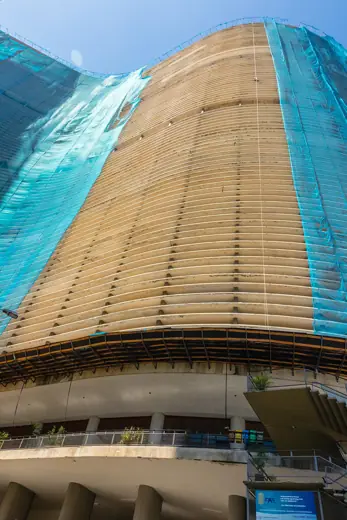 Copan Building1966 · Sao Paulo
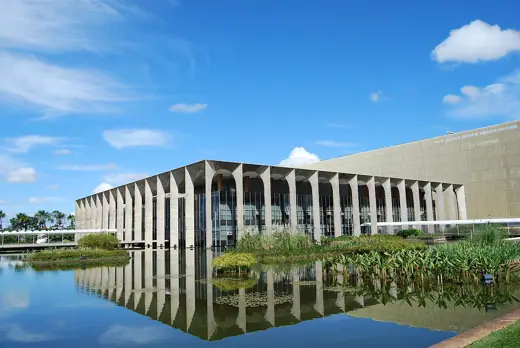 Itamaraty Palace1970 · Brasilia
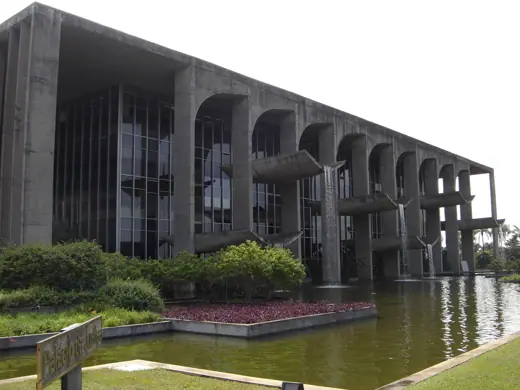 Palácio da Justiça (Ministry of Justice), Brasília1972 · Brasília
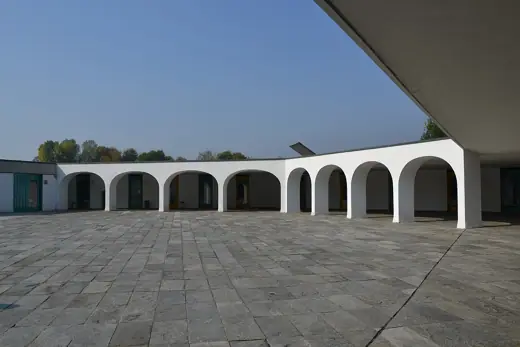 Mondadori Palace1975 · Segrate
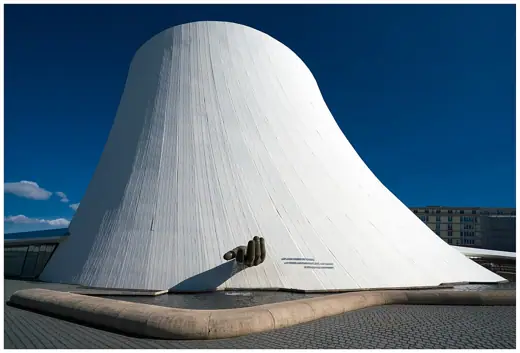 Le Volcan1982 · Le Havre
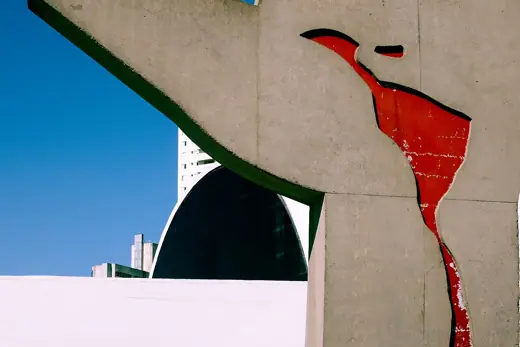 Latin America Memorial1989 · São Paulo
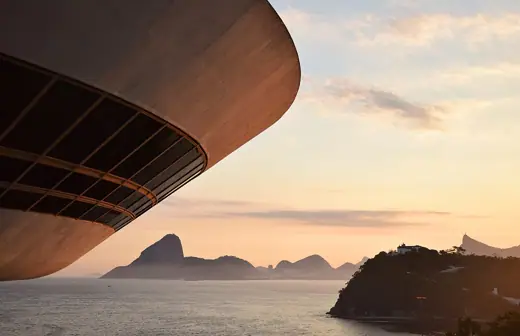 Niterói Contemporary Art Museum1996 · Niterói
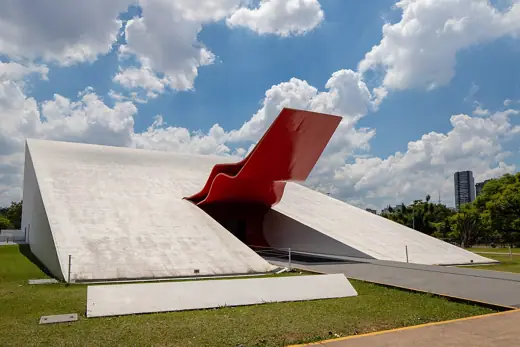 Ibirapuera Auditorium2005 · São Paulo
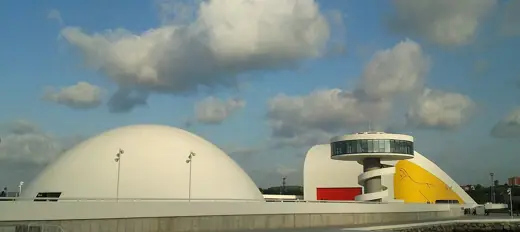 Oscar Niemeyer International Cultural Centre2011 · Avilés
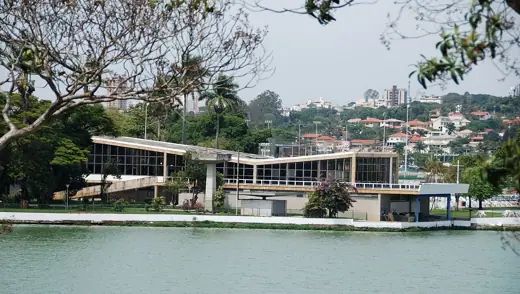 Iate Tênis Clube, Pampulha1942 · Belo Horizonte
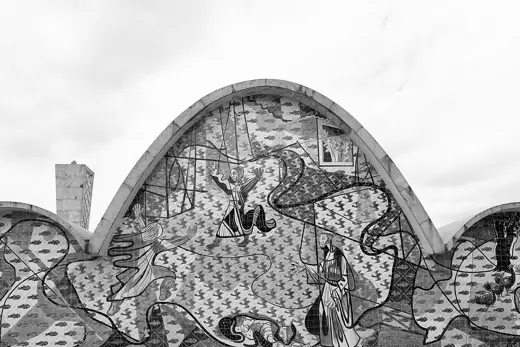 Church of Saint Francis of Assisi, Pampulha1943 · Belo Horizonte
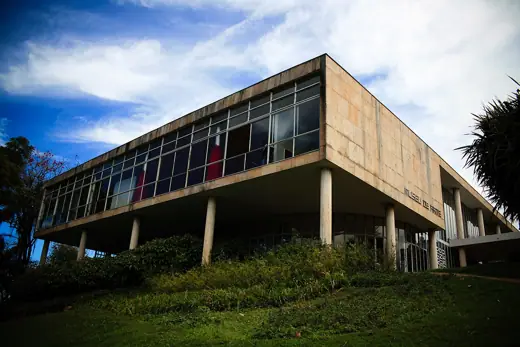 Pampulha Art Museum (former Casino)1943 · Belo Horizonte
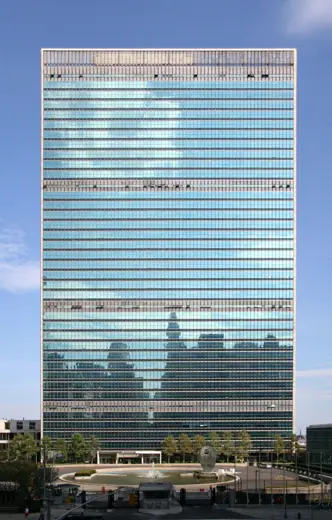 United Nations Secretariat Building1952 · New York
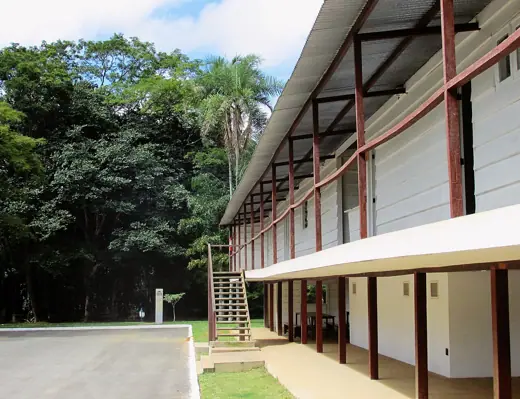 Catetinho1956 · Brasília
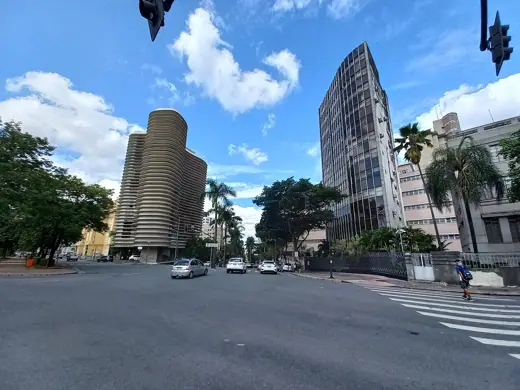 Edifício Niemeyer1960 · Belo Horizonte
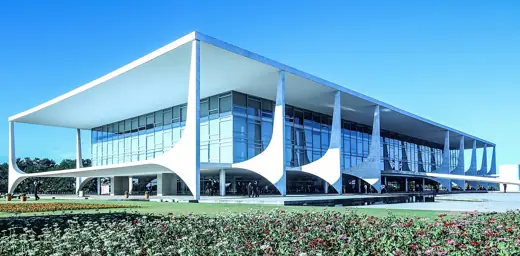 Palácio do Planalto1960 · Brasilia
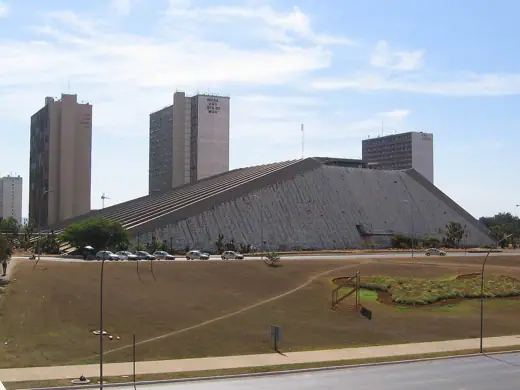 Claudio Santoro National Theatre1966 · Brasilia
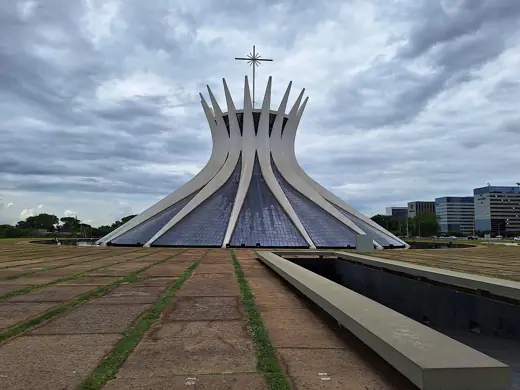 Cathedral of Brasília1970 · Brasília
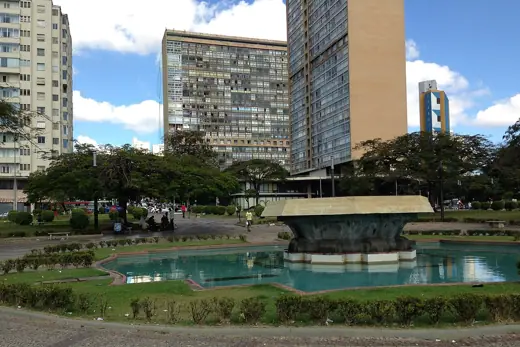 Conjunto JK (Conjunto Governador Kubitschek)1970 · Belo Horizonte
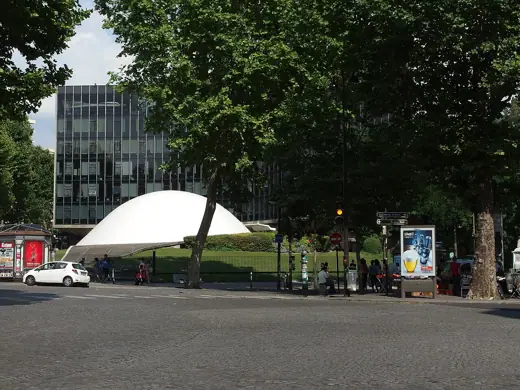 French Communist Party Headquarters1971 · Paris
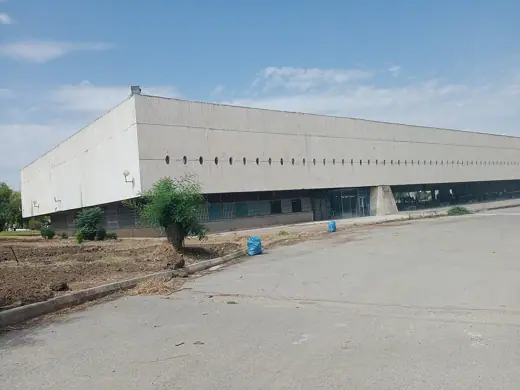 University of Constantine1972 · Constantine
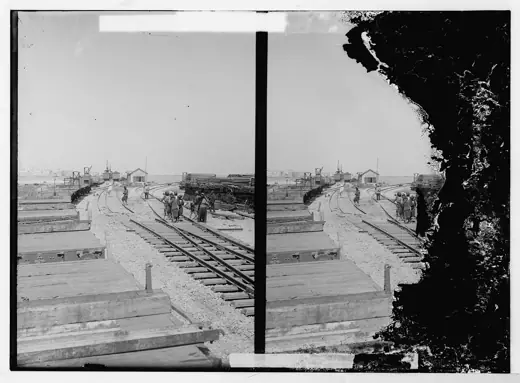 Rachid Karami International Fair1975 · Tripoli
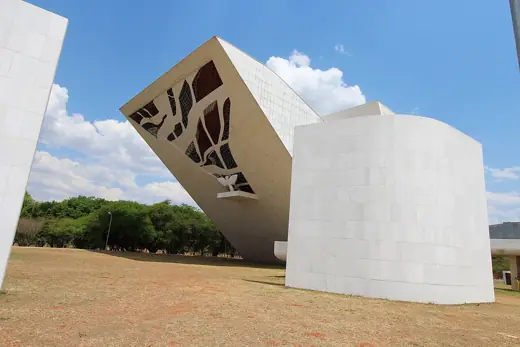 Tancredo Neves Pantheon of the Fatherland1986 · Brasília
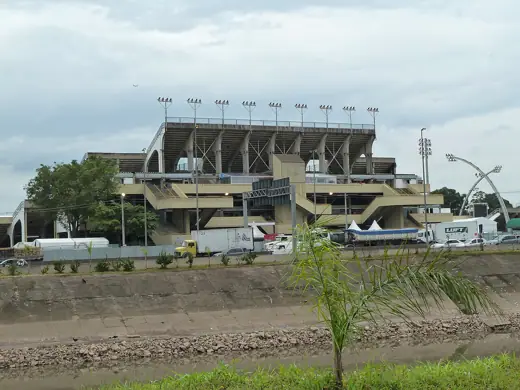 Anhembi Sambadrome1996 · São Paulo
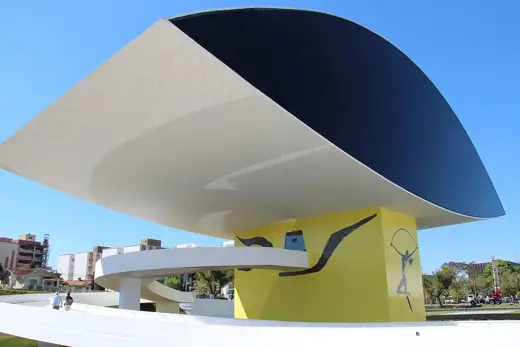 Oscar Niemeyer Museum2002 · Curitiba
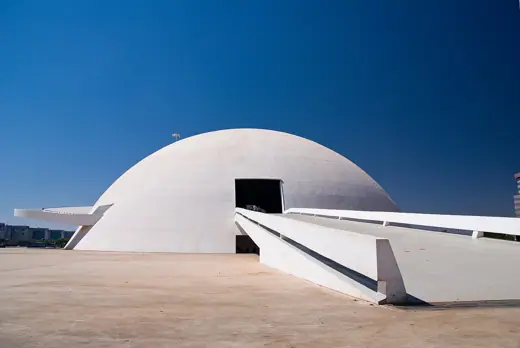 National Museum of the Republic2006 · Brasília