Kim Swoo-geun (1931–1986) was a South Korean architect, teacher and publisher, counted with Kim Chung-up among the key figures of modern Korean architecture. He studied architecture in Tokyo during the Korean War, founded his own office in 1961, the forerunner of today's SPACE Group, and taught at Hongik University. In 1966 he started SPACE, South Korea's first general art journal, and he backed so many art forms that TIME called him the "Lorenzo de Medici of Seoul" in 1977. Colleagues said his lifelong concern was how to carry Korean tradition into contemporary architecture.
Read moreShow less
The Buyeo National Museum (1967) and Sewoon Sangga in Seoul (1967) come from his first decade. The Space Group Building in Seoul (1977), his own office, also held a small theatre and gallery that became important stages for Korean culture. Yangdeok Cathedral in Changwon (1979) and Kyungdong Presbyterian Church in Seoul (1981) are among his best-known churches. The Seoul Olympic Stadium (1984), built for the 1986 Asian Games and the 1988 Olympics, takes its profile from the curves of Joseon white porcelain. Kim Swoo-geun's buildings are studied for joining Korean tradition to modern design.
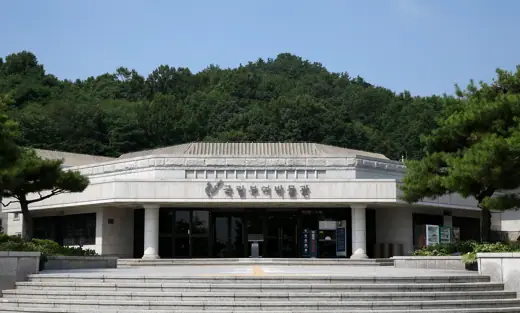 Buyeo National Museum1967 · Buyeo
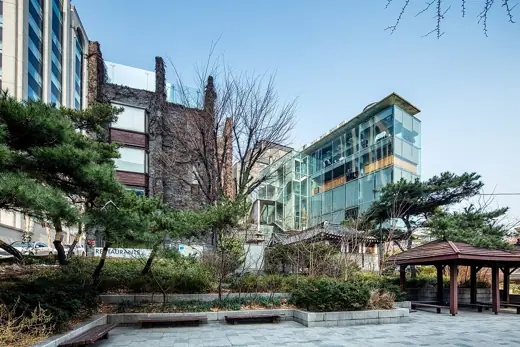 Space Group Building1977 · Seoul
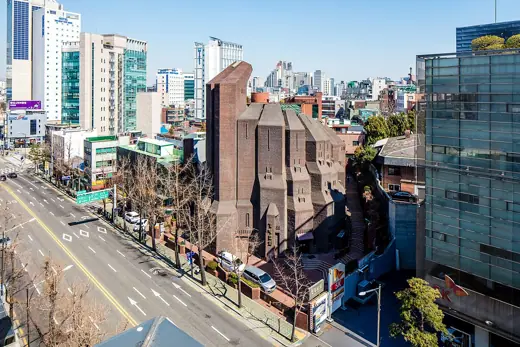 Kyungdong Presbyterian Church1981 · Seoul
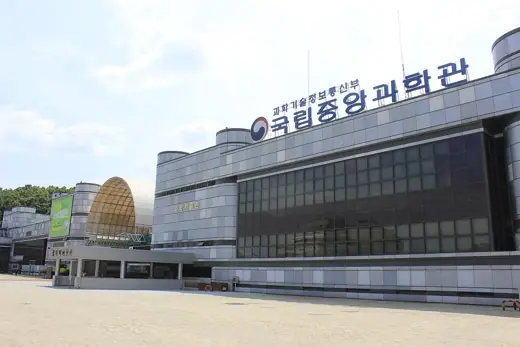 National Science Museum, Daejeon1990 · Daejeon
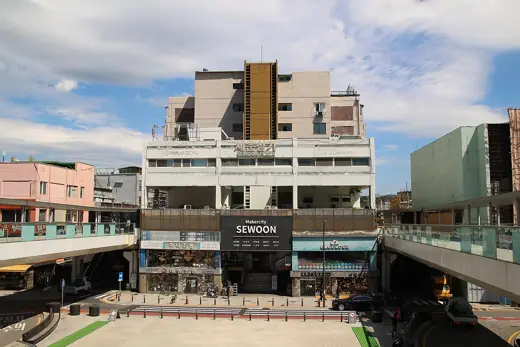 Sewoon Sangga1967 · Seoul
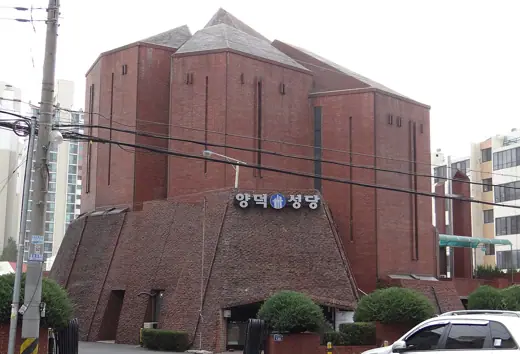 Yangdeok Cathedral1979 · Changwon
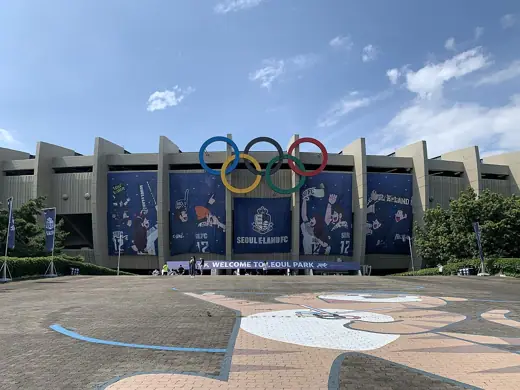 Seoul Olympic Stadium1984 · Seoul