Kengo Kuma buildings 21
Sort
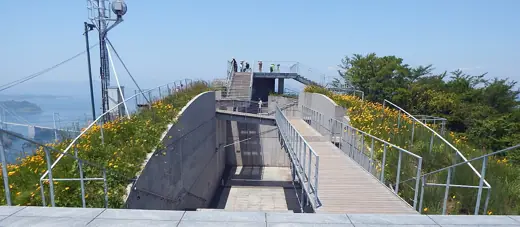 Kiro-san Observatory1994 · Imabari
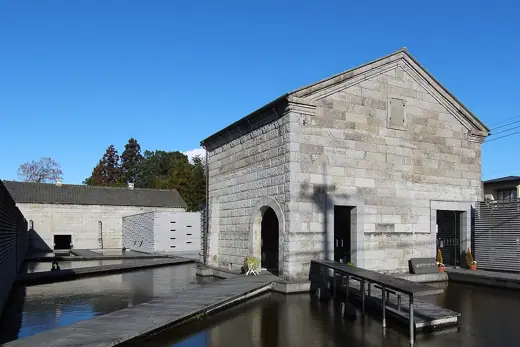 Stone Museum (Stone Plaza)2000 · Nasu
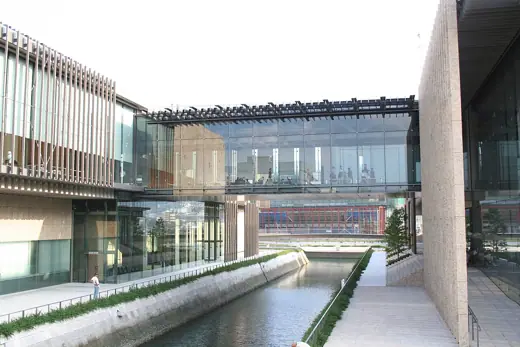 Nagasaki Prefectural Art Museum2005 · Nagasaki
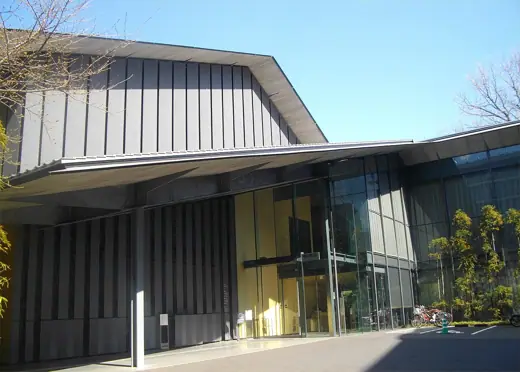 Nezu Museum2009 · Tokyo
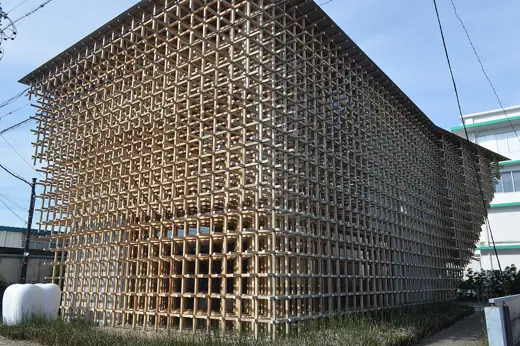 GC Prostho Museum Research Center2010 · Kasugai
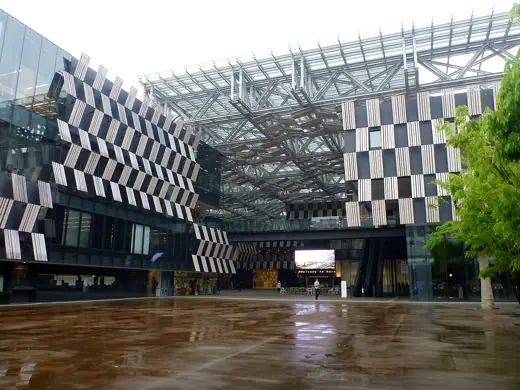 Aore Nagaoka City Hall2012 · Nagaoka
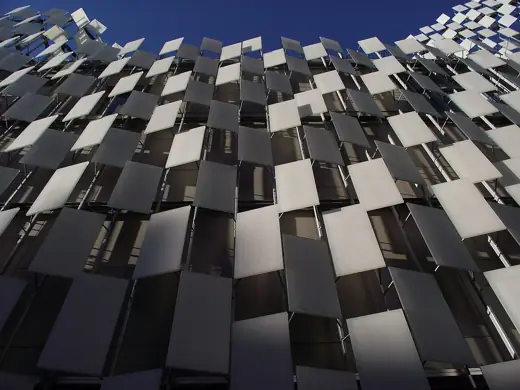 FRAC Provence-Alpes-Côte d'Azur2013 · Marseille
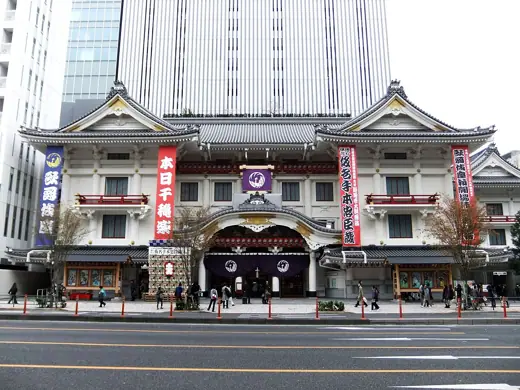 Kabuki-za (2013)2013 · Tokyo
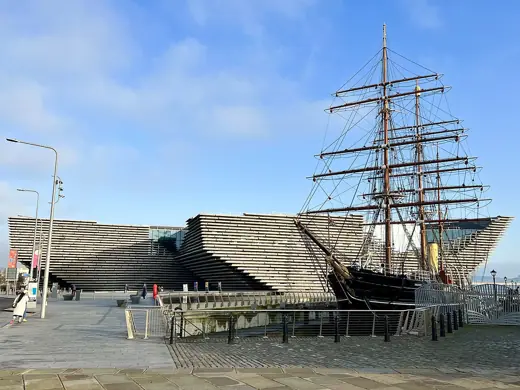 V&A Dundee2018 · Dundee
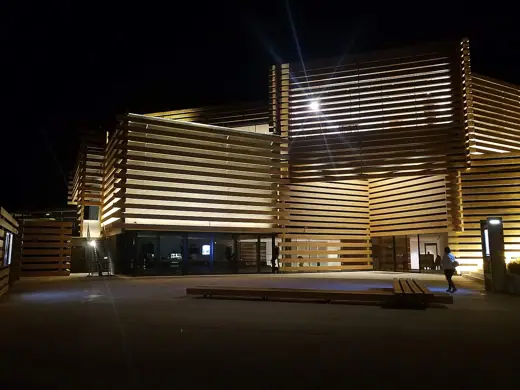 Odunpazarı Modern Museum2019 · Eskişehir
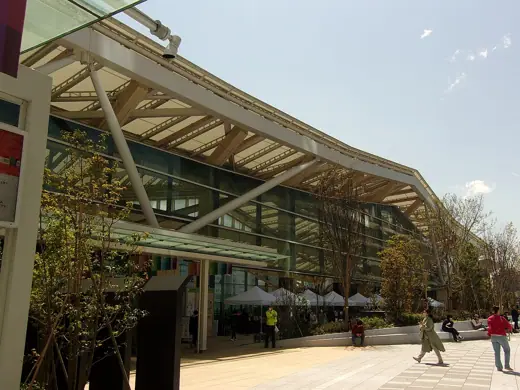 Takanawa Gateway Station2020 · Tokyo
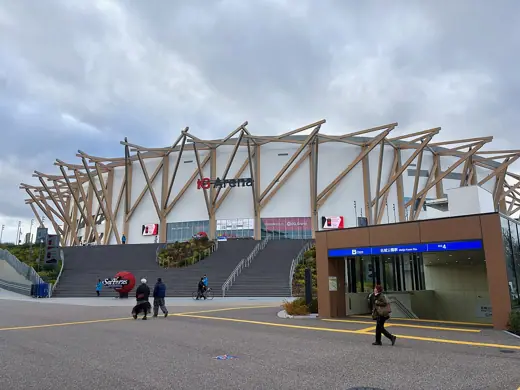 Aichi International Arena (IG Arena)2025 · Nagoya
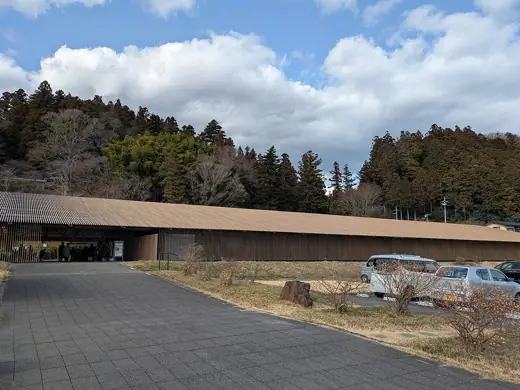 Nakagawa-machi Bato Hiroshige Museum2000 · Nakagawa
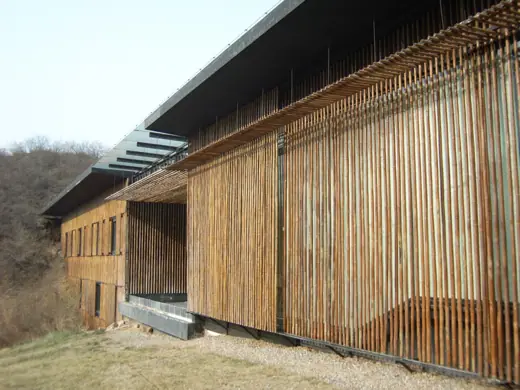 Great (Bamboo) Wall House2002 · Beijing
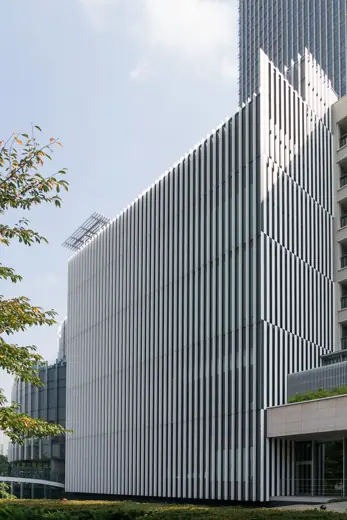 Suntory Museum of Art2007 · Tokyo
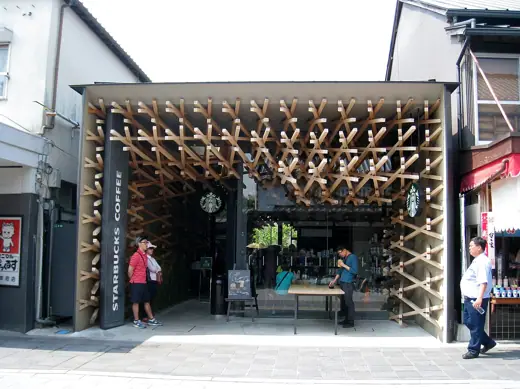 Starbucks Coffee, Dazaifu Tenmangu Omotesando2011 · Dazaifu
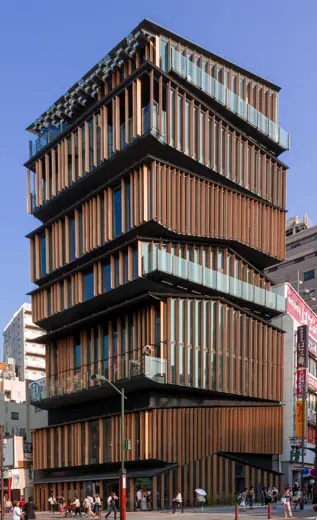 Asakusa Culture Tourist Information Center2012 · Tokyo
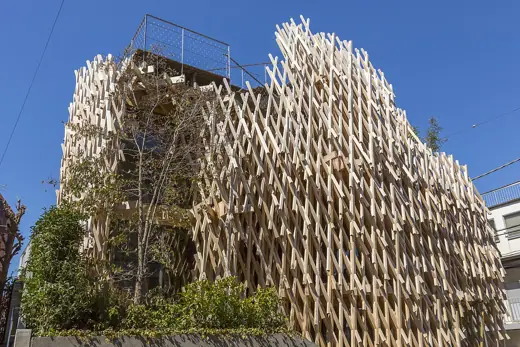 SunnyHills at Minami-Aoyama2013 · Tokyo
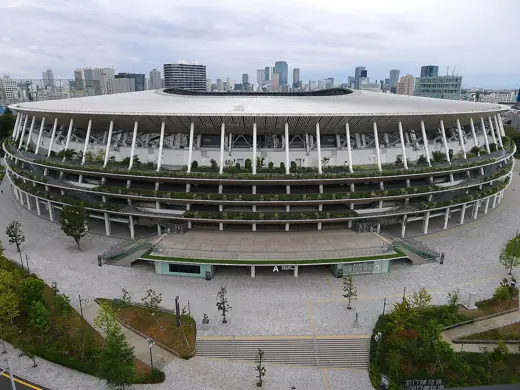 Japan National Stadium2019 · Tokyo
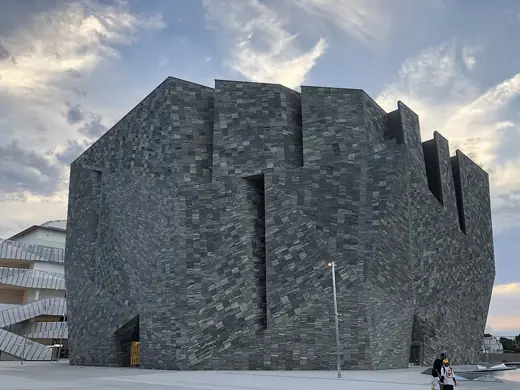 Kadokawa Culture Museum2020 · Tokorozawa
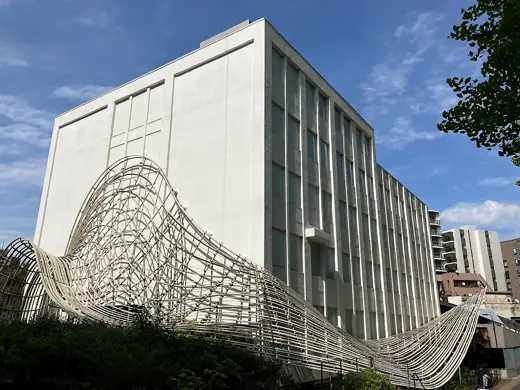 Waseda International House of Literature (Haruki Murakami Library)2021 · Tokyo