Philip Johnson buildings 18
Sort
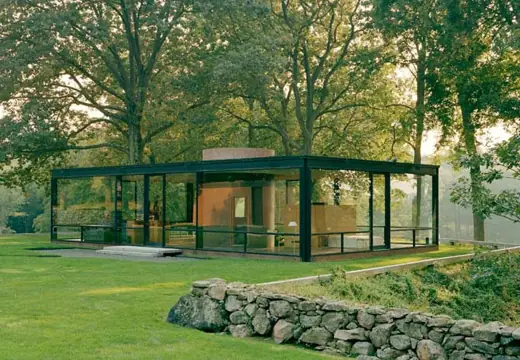 Glass House1949 · New Canaan
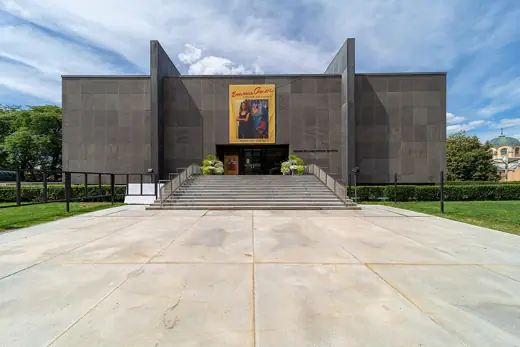 Munson-Williams-Proctor Arts Institute1960 · Utica
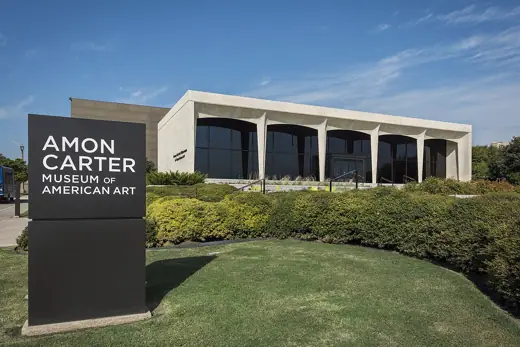 Amon Carter Museum of American Art1961 · Fort Worth
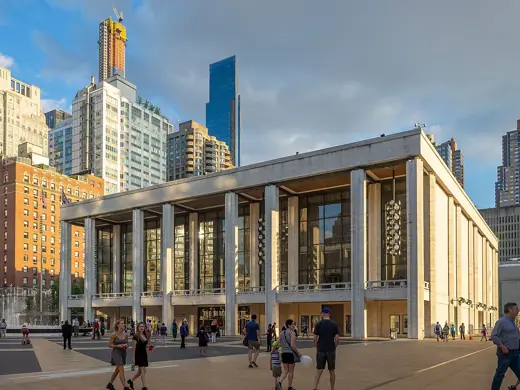 David H. Koch Theater1964 · New York
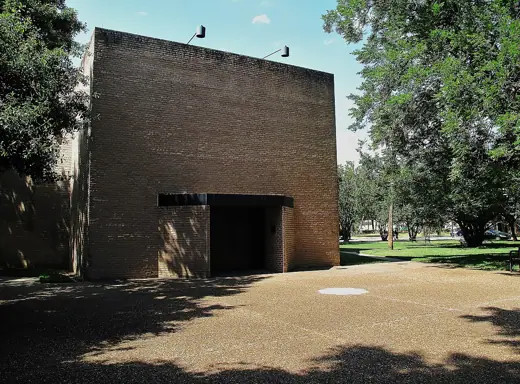 Rothko Chapel1971 · Houston
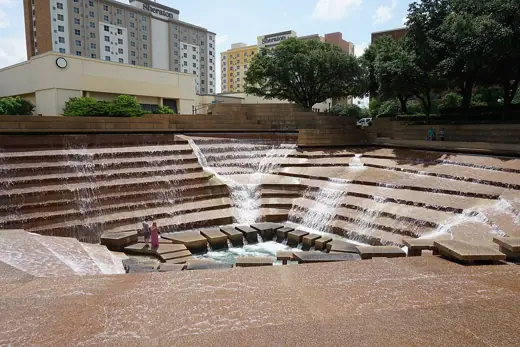 Fort Worth Water Gardens1974 · Fort Worth
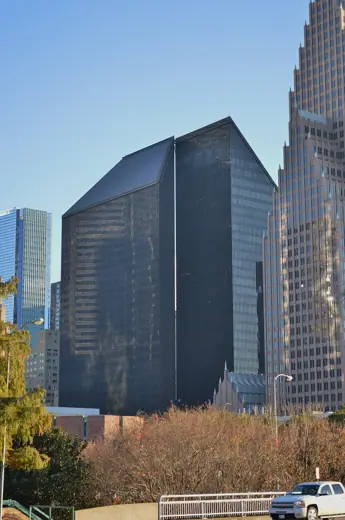 Pennzoil Place1975 · Houston
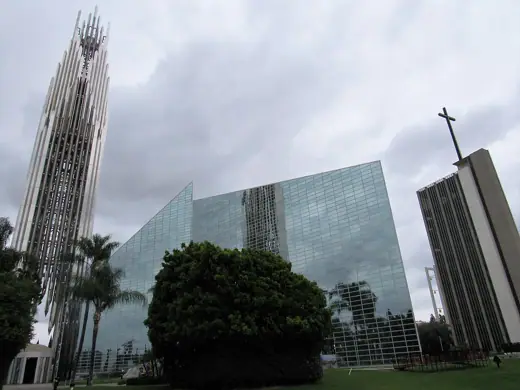 Crystal Cathedral1980 · Garden Grove
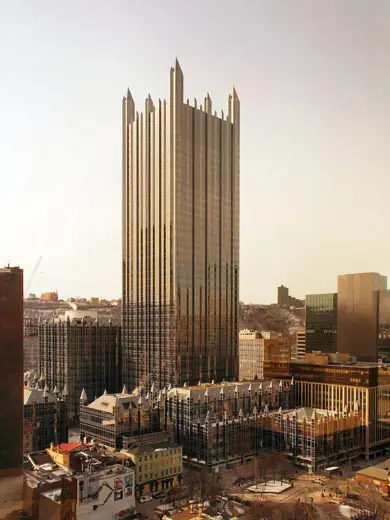 PPG Place1984 · Pittsburgh
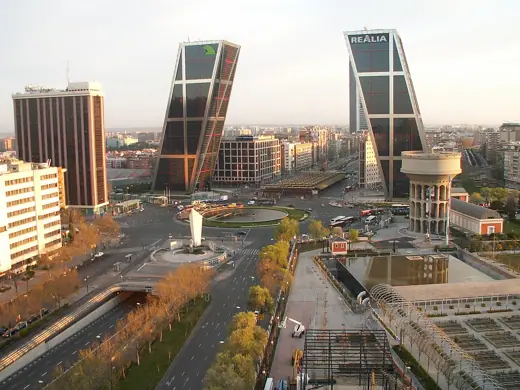 Gate of Europe1996 · Madrid
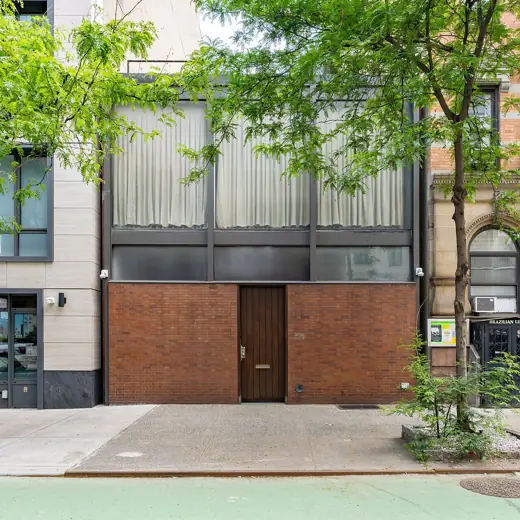 Rockefeller Guest House1950 · New York
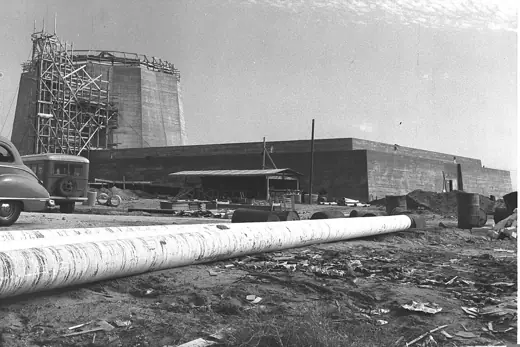 Soreq Nuclear Research Center1960 · Yavne
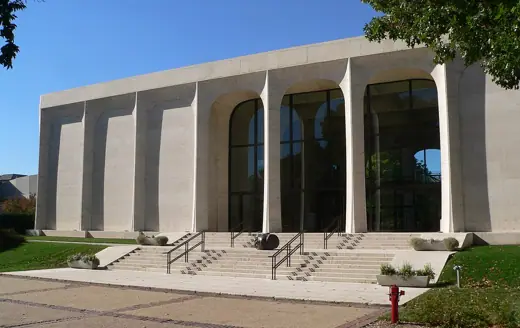 Sheldon Museum of Art1963 · Lincoln
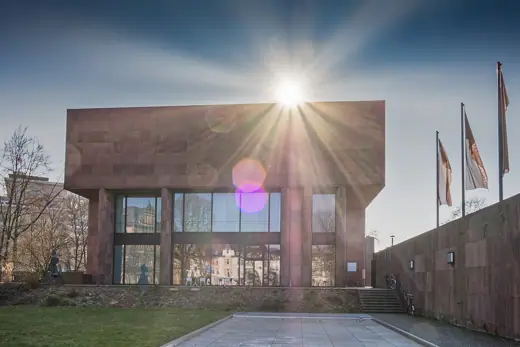 Kunsthalle Bielefeld1968 · Bielefeld
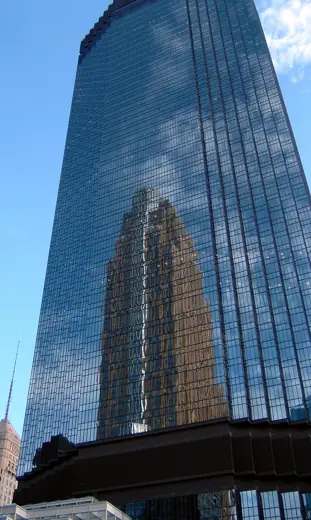 IDS Center1972 · Minneapolis
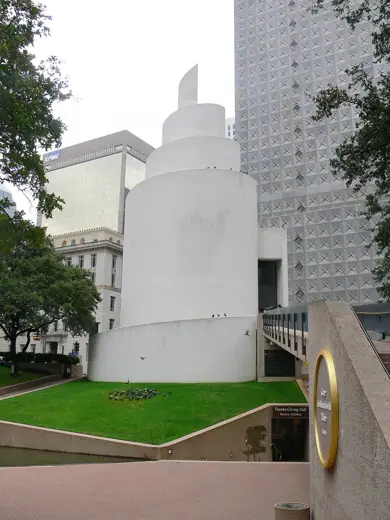 Thanks-Giving Square1976 · Dallas
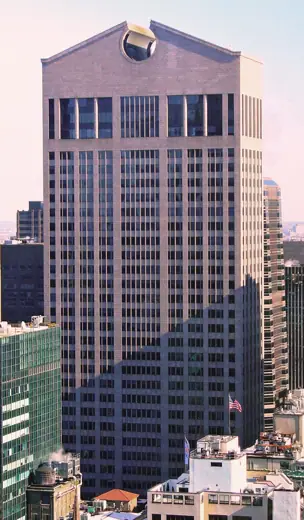 AT&T Building (550 Madison Avenue)1984 · New York
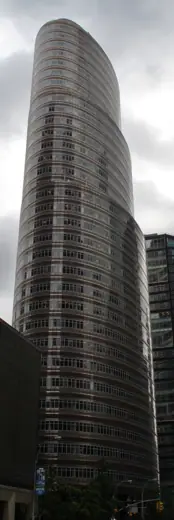 Lipstick Building1986 · New York City