Kazuo Shinohara (1925–2006) was a Japanese architect, theorist and teacher whose influence runs through much of contemporary Japanese architecture. He studied at the Tokyo Institute of Technology, finishing in 1953, opened his own practice in 1954, and became a professor there in 1970. The critic Thomas Daniell called him "a key figure who explicitly rejected Western influences yet appears on almost every branch of the family tree of contemporary Japanese architecture". The so-called Shinohara School is linked to Toyo Ito, Kazunari Sakamoto, Itsuko Hasegawa, Kazuyo Sejima and Ryue Nishizawa. He received the Architectural Institute of Japan's grand prize in 2005, and in 2010 the Venice Biennale awarded a special Golden Lion in his memory.
Read moreShow less
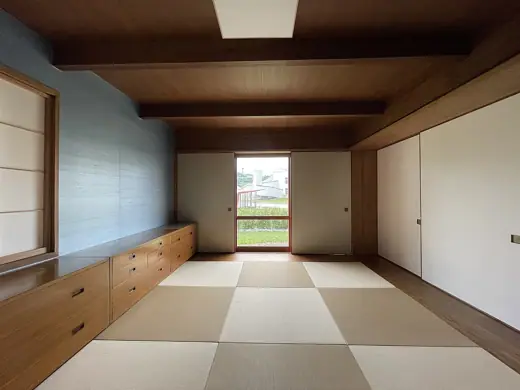
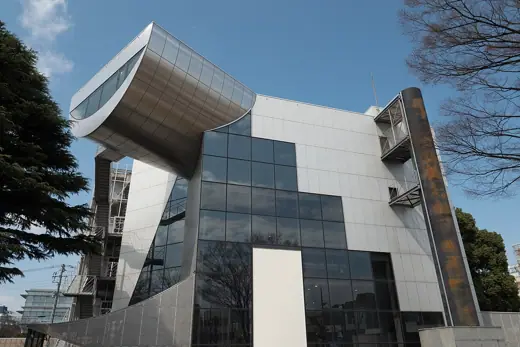
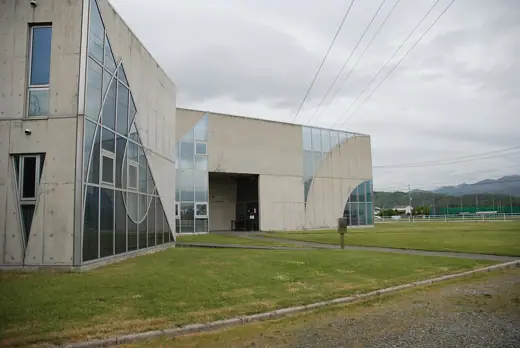
Most of his work was houses, more than 30 of them, generally described as lucid and ephemeral. The Umbrella House (Kasa no Ie) (1961) was one of the first, and the House in White (1966) belongs to the same series of early houses in Tokyo. From the 1980s he turned to larger public buildings, among them the Japan Ukiyo-e Museum in Matsumoto (1982) and the Centennial Hall, Tokyo Institute of Technology (1987).