Sir Edwin Lutyens (1869–1944) was a British architect known for adapting traditional styles to the needs of his time, in English country houses, war memorials and public buildings. He set up his own practice in 1888. His partnership with the garden designer Gertrude Jekyll, which began with her house at Munstead Wood, shaped many of his country houses. After the First World War he designed the Cenotaph in Whitehall and the Memorial to the Missing of the Somme at Thiepval. He received the RIBA Royal Gold Medal in 1921.
Read moreShow less
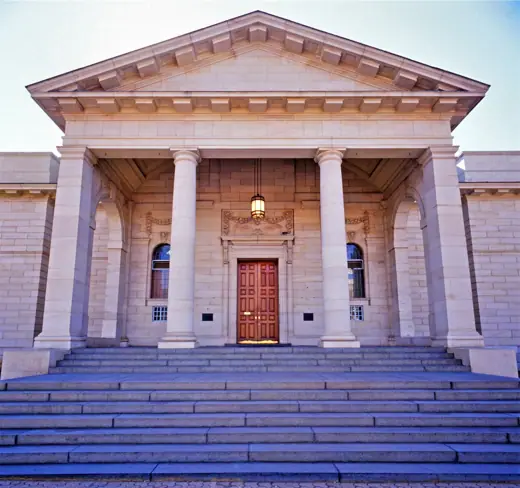
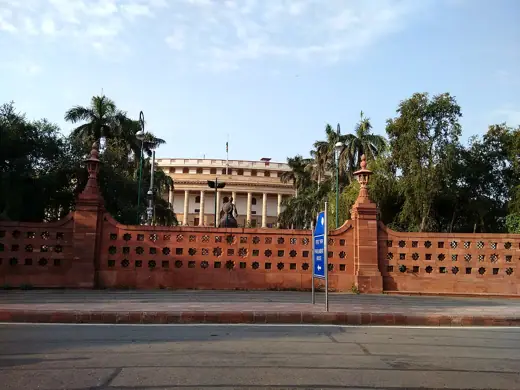
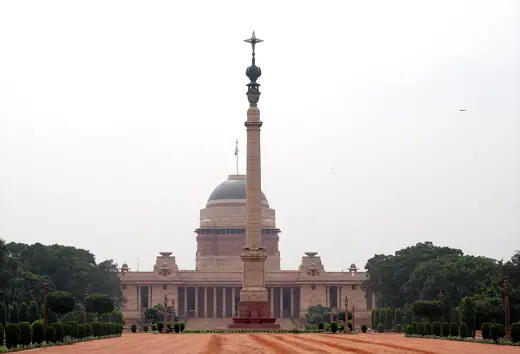
He had an instrumental role in building New Delhi, part of which is still called "Lutyens' Delhi". For the Viceroy's House, now Rashtrapati Bhavan (1929), begun in 1912, he invented his own classical order, the Delhi Order, and set the dome on a drum whose decoration recalls the railings around early Buddhist stupas such as Sanchi. For Sansad Bhavan (Old Parliament House) (1927), designed with Herbert Baker, he proposed the circular plan, which he thought most efficient for its triangular site. Farther afield he designed the Johannesburg Art Gallery (1915), with 15 exhibition halls and sculpture gardens.