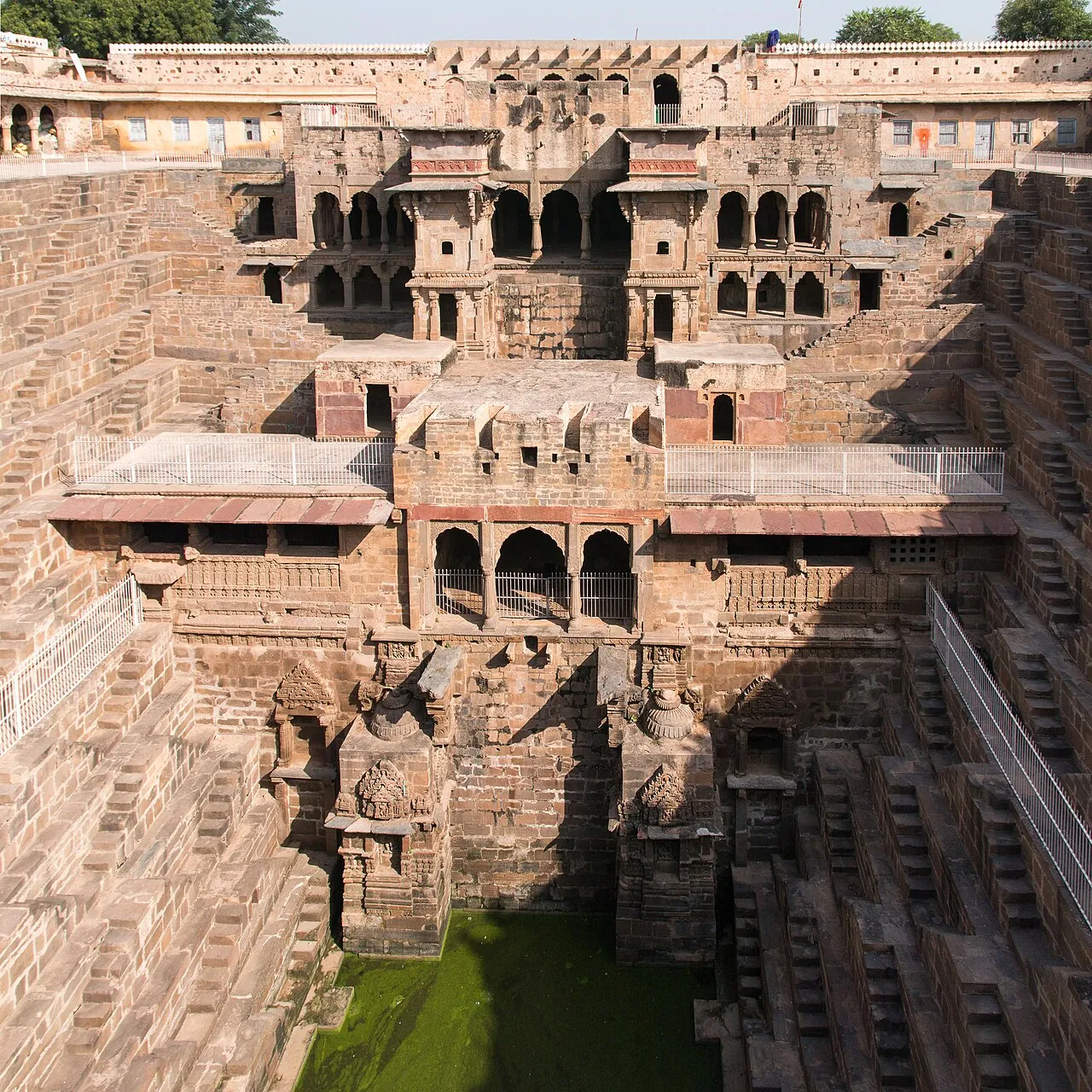
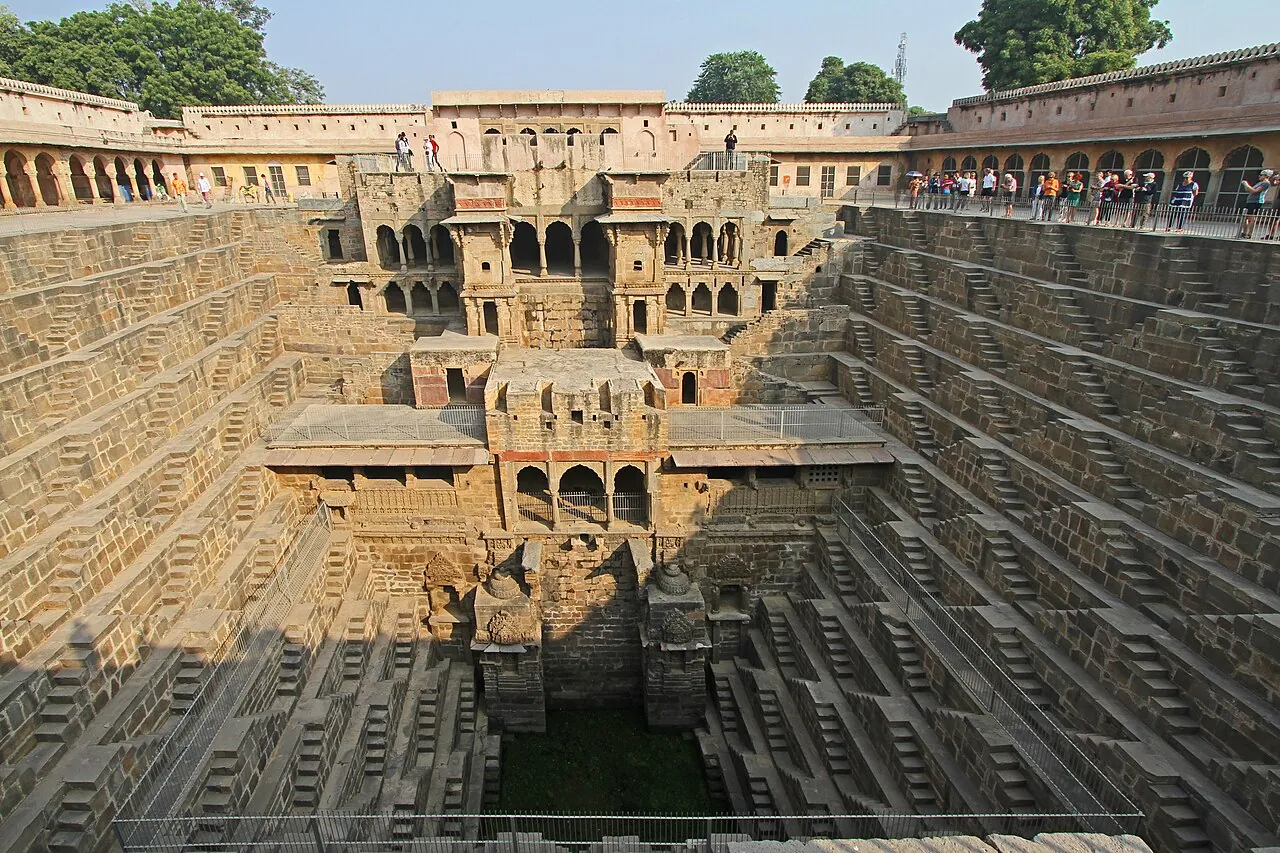
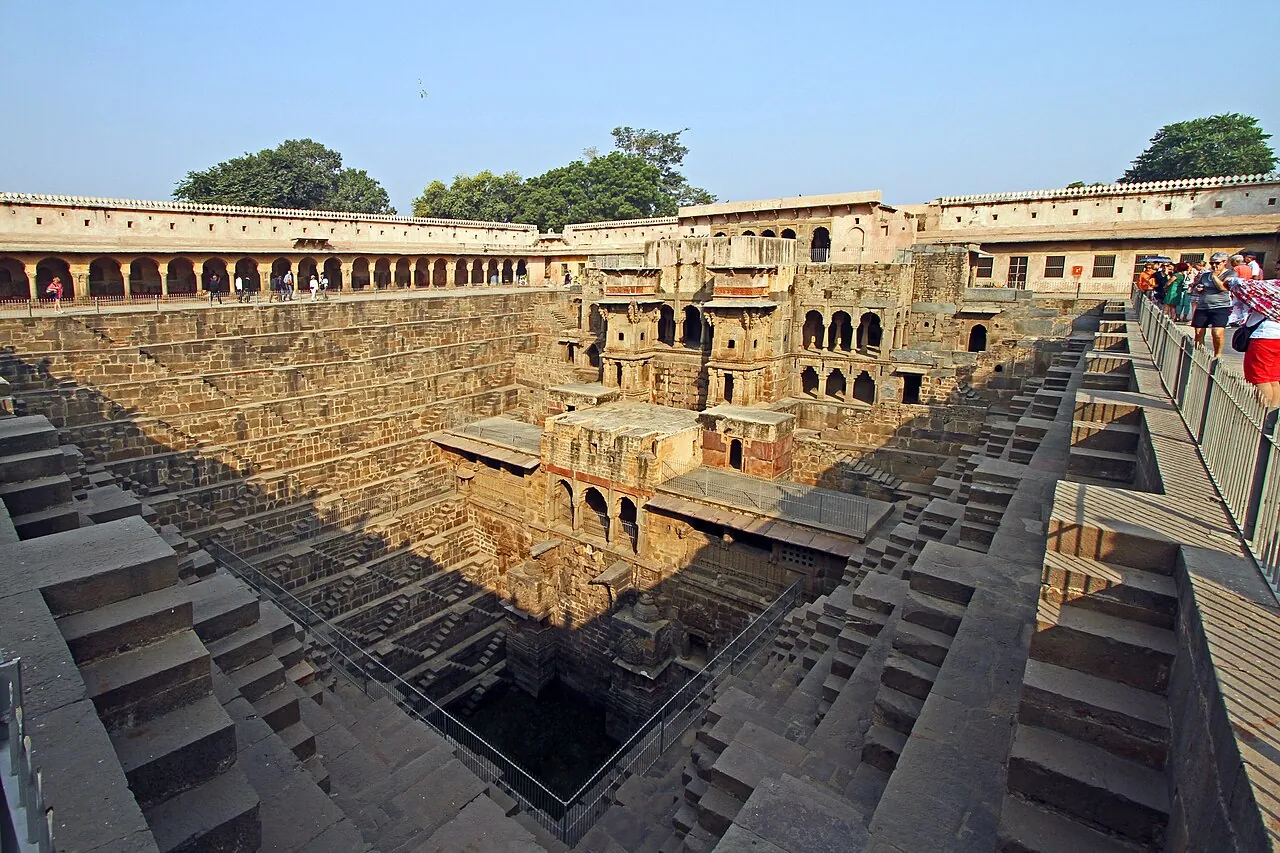
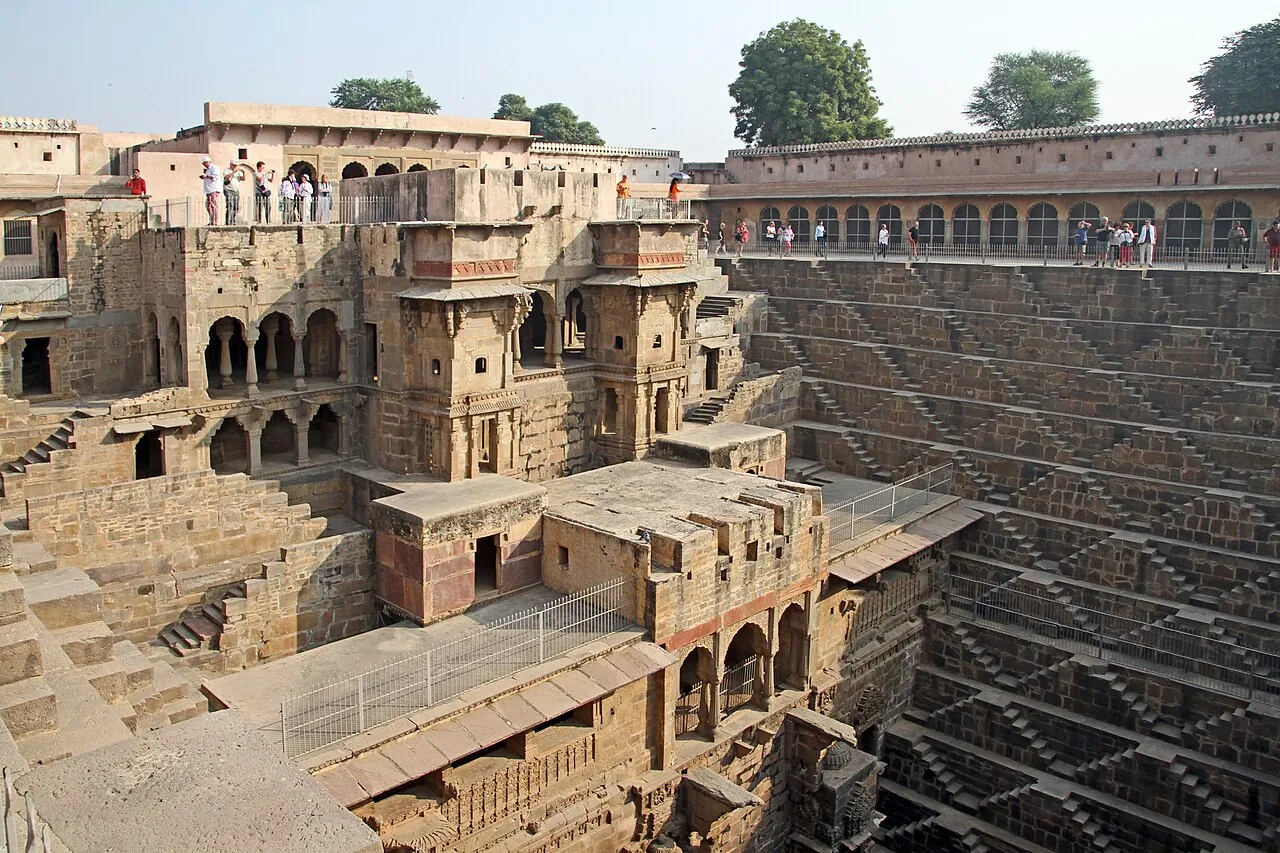
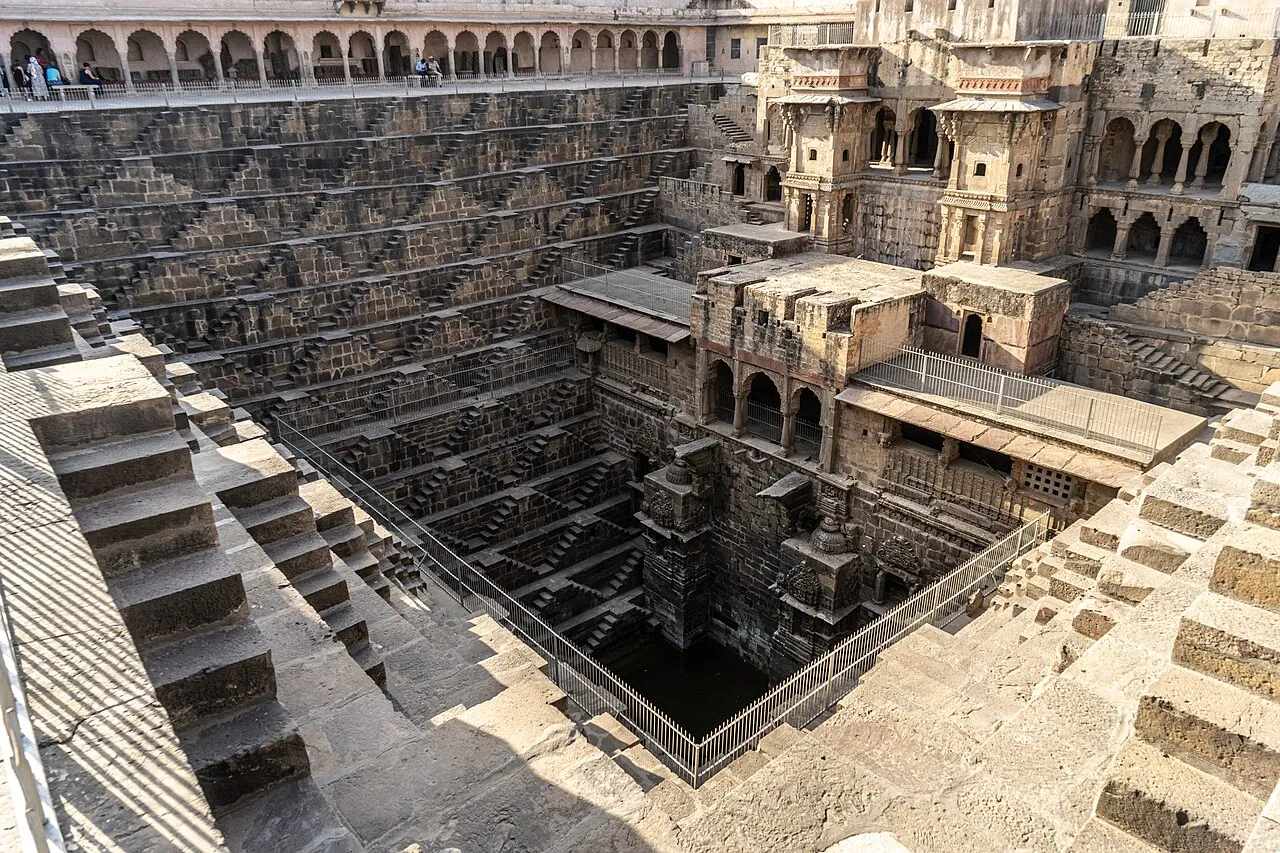
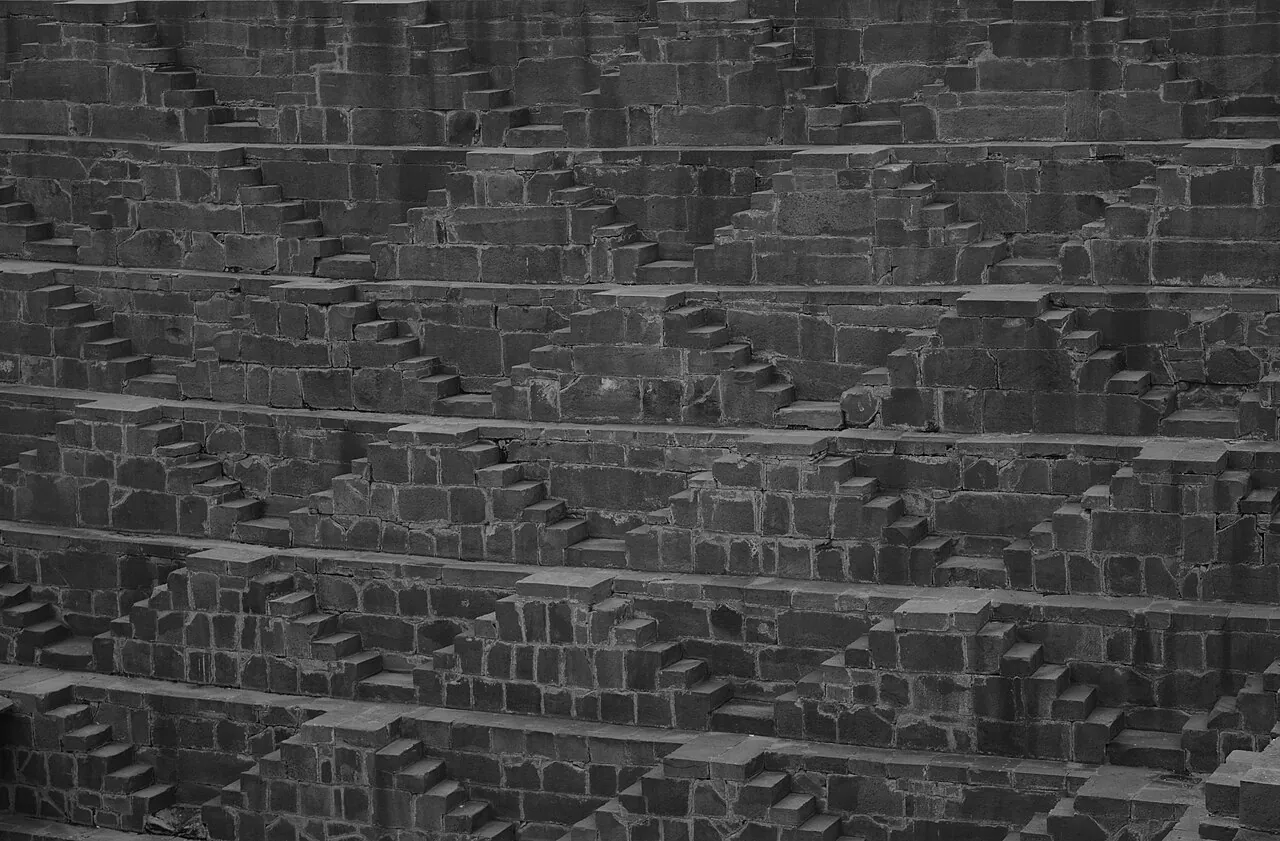
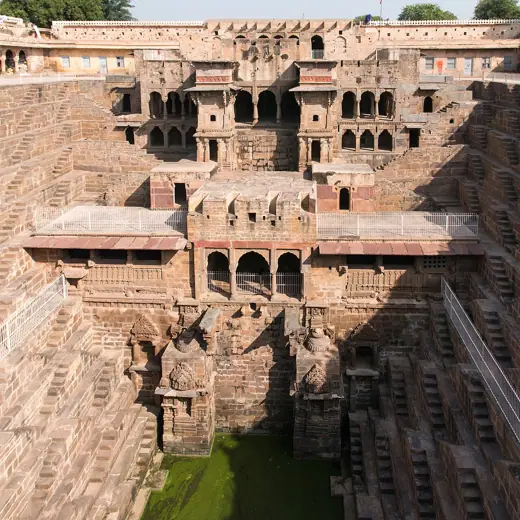
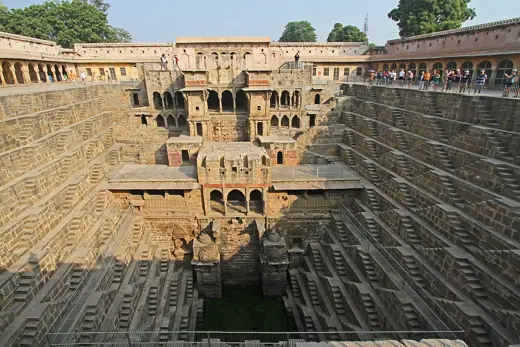
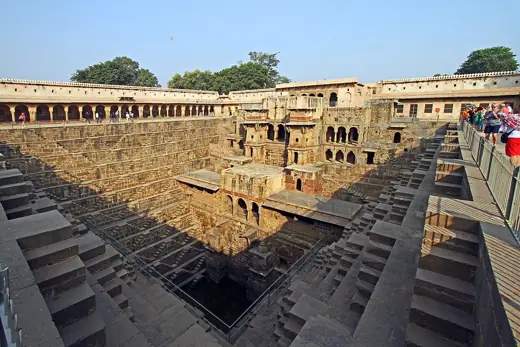
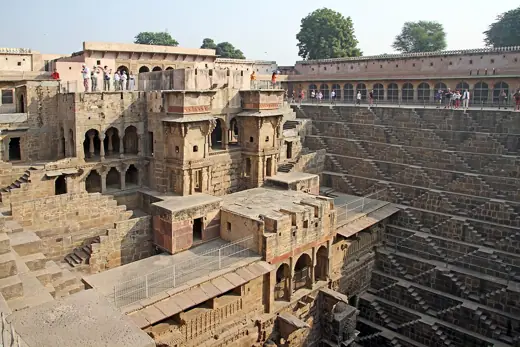
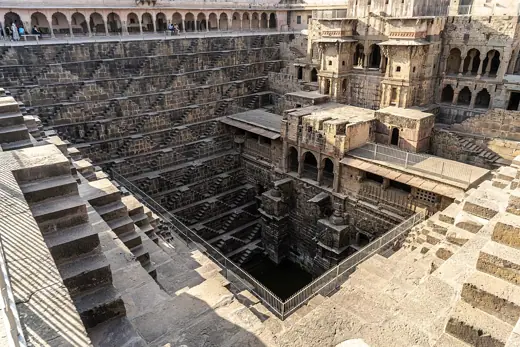
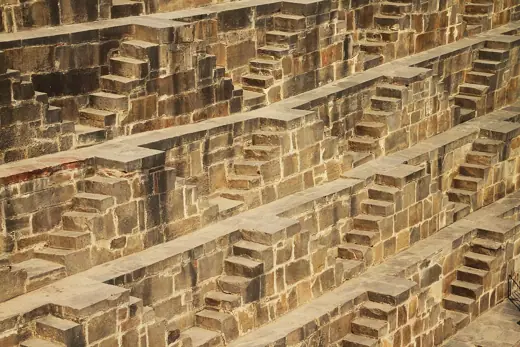
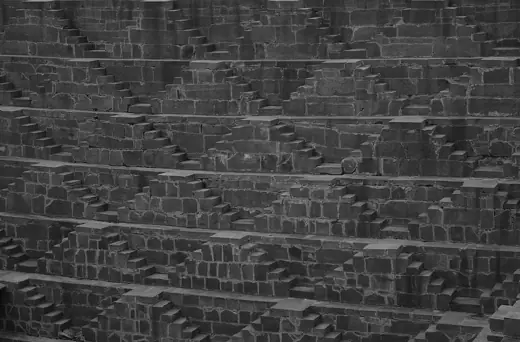
Chand Baori is a stepwell situated in the village of Abhaneri in the Indian state of Rajasthan. It extends approximately 30 m (100 ft) into the ground, making it one of the deepest and largest stepwells in India. It is named after a local ruler of the Nikumbh dynasty called Raja Chanda, and its construction is dated to the 8th–9th centuries. It has 3500 steps cascading 13 stories deep into a massive tank at the bottom and has been constructed in an upside-down pyramid style.
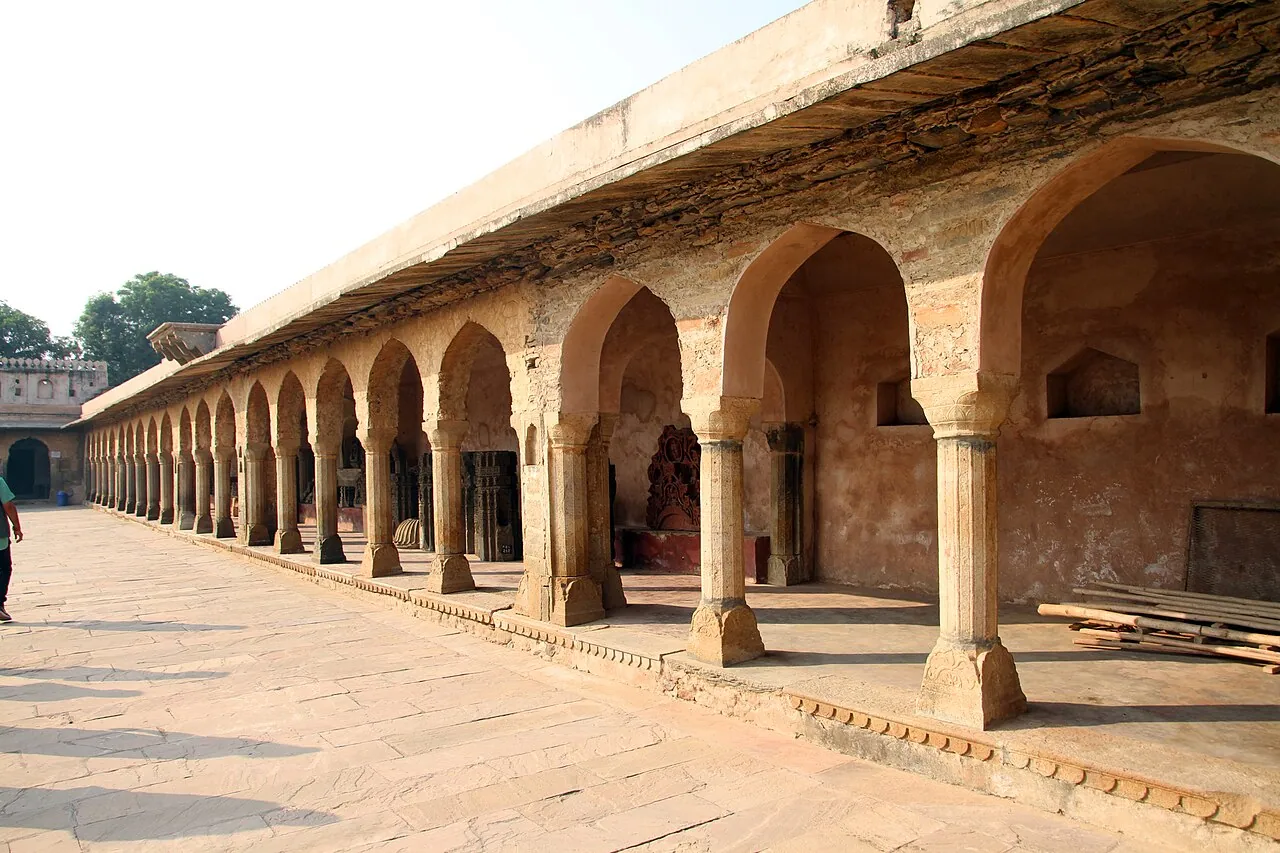
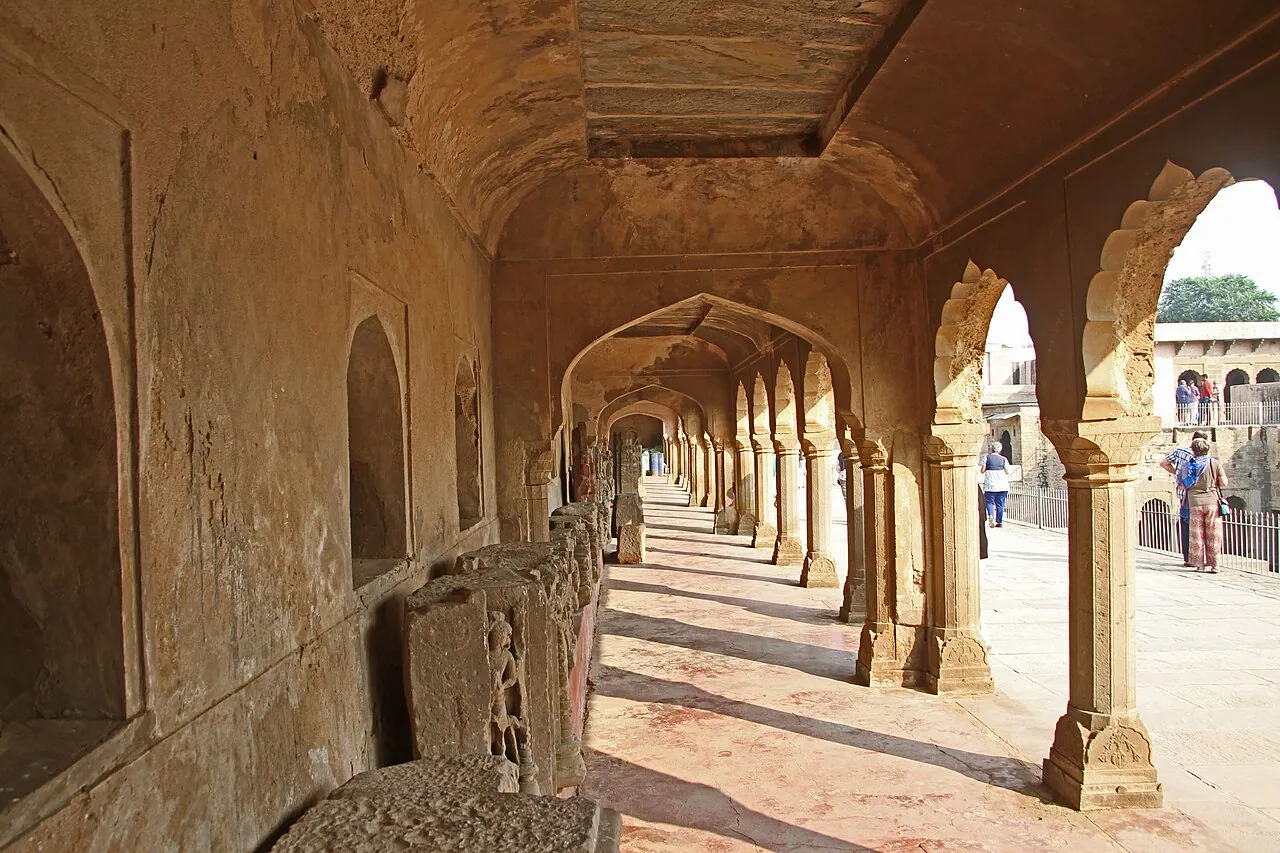
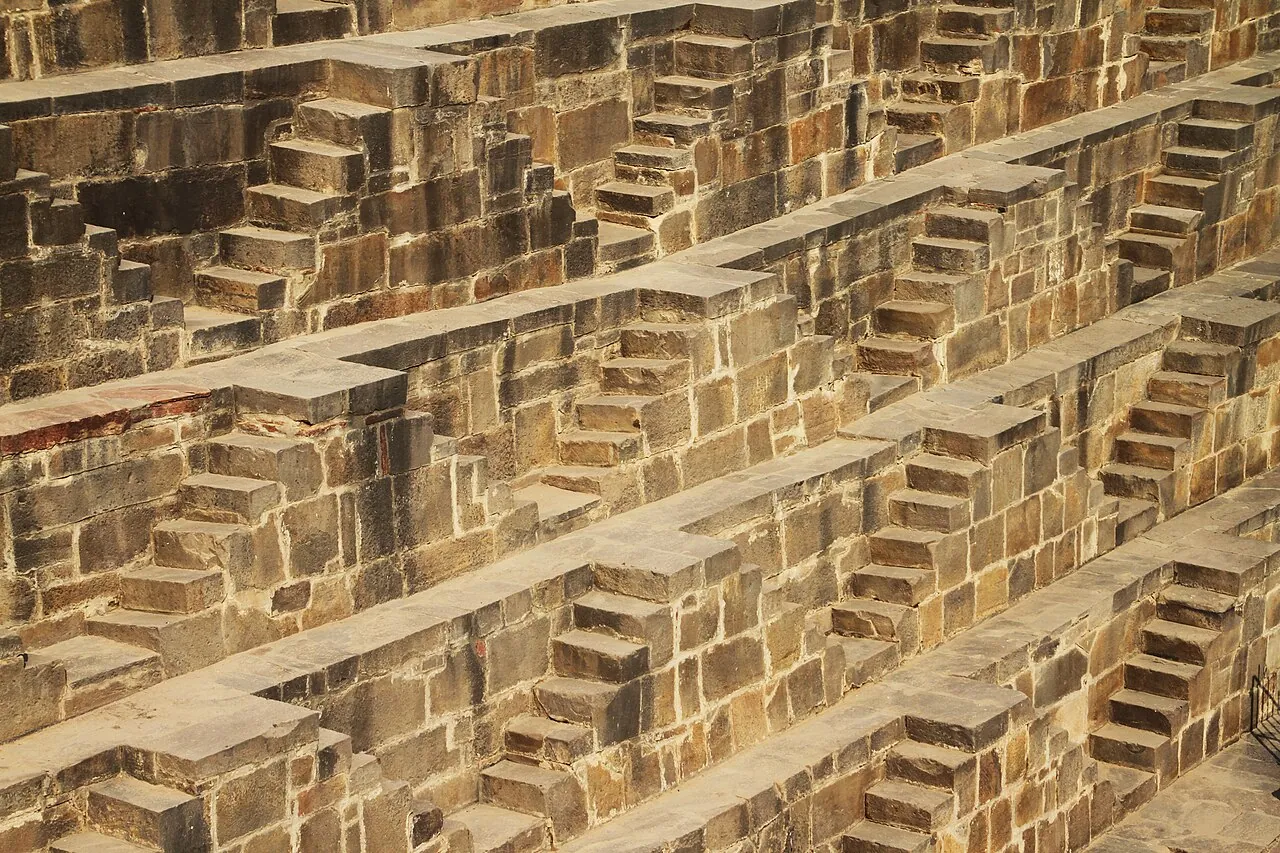
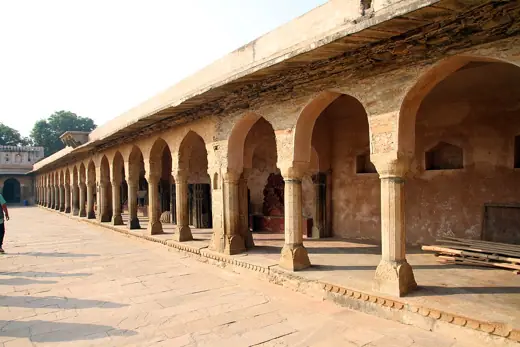
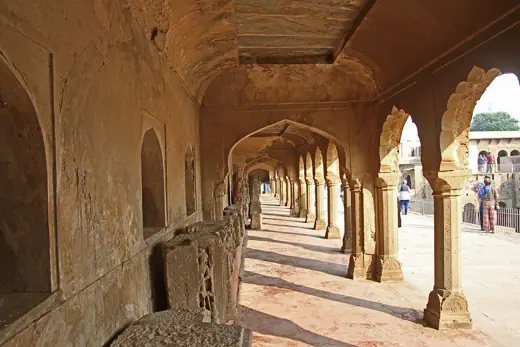
Chand Baori is considered to be one of the oldest surviving step wells in the country. On three sides, It has 3,500 steps cascading 13 storeys deep into a massive tank at the bottom. The fourth side has pillared corridors at many levels. Of interest here is its exquisite diamond-setting geometry of the cascading steps on three sides and the image of Sheshasayee Vishnu reclining on the serpent Ananta. This baori or stepwell has been constructed in an upside-down pyramid-style. The classical Indian texts on architecture (Vastu) like Aparajitapriccha or Vishvakarma's Vastushastra call this design a vijay vapi. The baori has double flights of steps on each of its ten landings on all three sides. On the fourth side, to the north, is a pillared corridor of many stories.