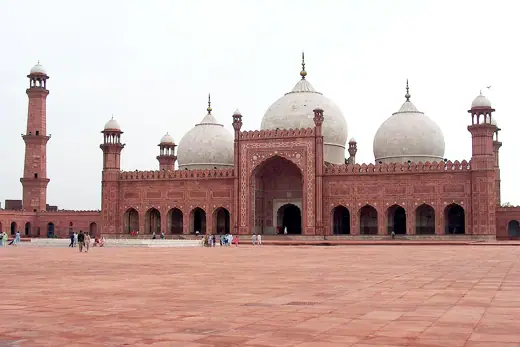
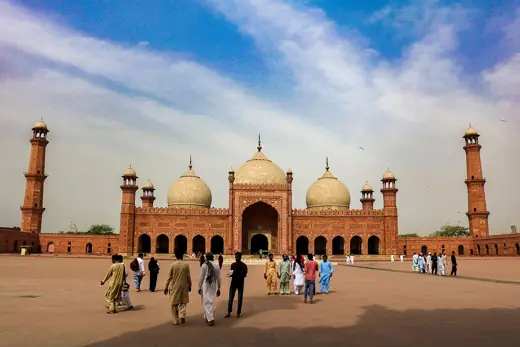
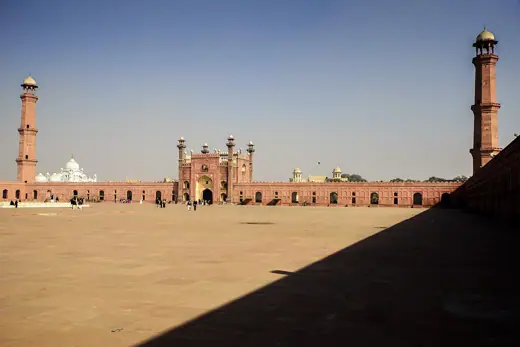
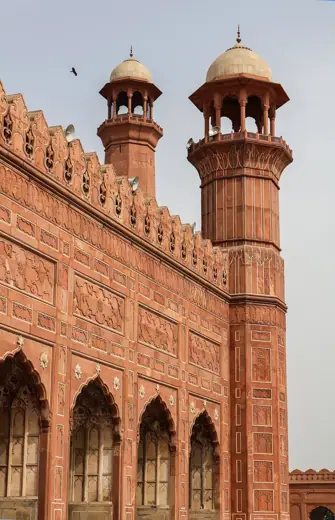
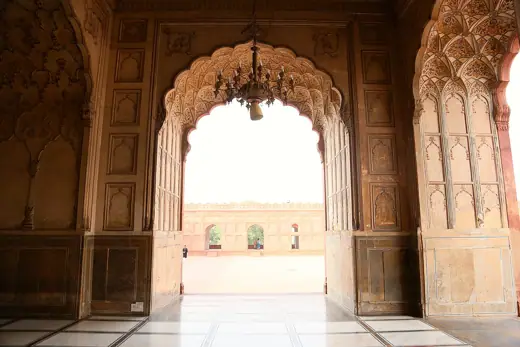
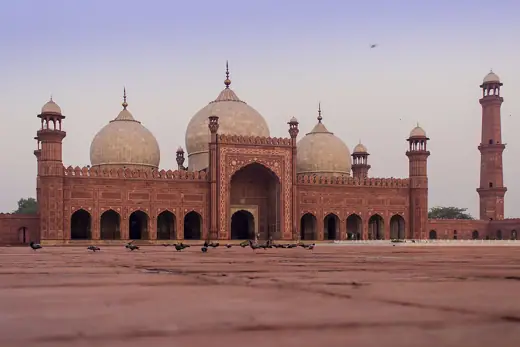
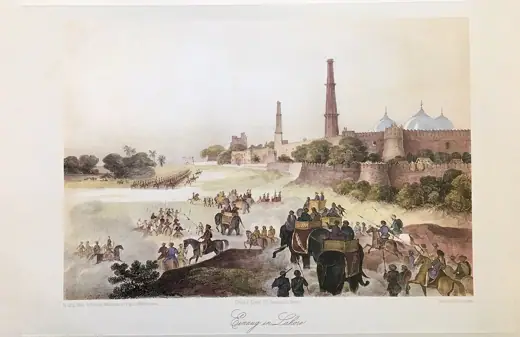
1/8 · Exterior · A 4 Megapixel picture of Badshahi Mosque, Lahore, PakistanPhoto: Ali Imran · CC BY-SA 2.5 · source2/8 · Exterior · This is a photo of a monument in Pakistan identified as thePhoto: Ch Humayun Hanif · CC BY-SA 4.0 · source3/8 · Exterior · This is a photo of a monument in Pakistan identified as thePhoto: ZILL NIAZI · CC BY-SA 4.0 · source4/8 · Exterior · This is a photo of a monument in Pakistan identified as thePhoto: Ch Humayun Hanif · CC BY-SA 4.0 · source5/8 · Interior · This is a photo of a monument in Pakistan identified as thePhoto: Aun Muhammad · CC BY-SA 3.0 · source6/8 · Interior · This is a photo of a monument in Pakistan identified as thePhoto: Ujphotos · CC BY-SA 3.0 · source7/8 · SketchPhoto: Ferdinand Bellermann, after Prince Waldemar of Prussia, Alexander von Humboldt · Public domain · source8/8 · Model · badshahi masjeed modelPhoto: Usman mahmood · CC BY-SA 4.0 · source
Religious · Historic precedent
Badshahi Mosque
Mughal builders · Lahore, PK · 1673
Key featuresRed sandstone prayer hall with three marble domes facing a vast courtyard ringed by minarets.
The Badshahi Mosque is a Mughal-era imperial mosque located in Lahore, Punjab, Pakistan. It was constructed between 1671 and 1673 by the Mughal emperor Aurangzeb, opposite to the Lahore Fort in the northern outskirts of the historic Walled City. It is widely considered to be an iconic landmark of the country.
As a gateway to the west, and Persia in particular, Lahore had a strong regional style which was influenced by Persian architectural styles. Earlier mosques, such as the Wazir Khan Mosque, were adorned in intricate kashi-kari, or Kashan style tile work, from which the Badshahi Mosque would depart. Aurangzeb chose an architectural plan similar to that of Shah Jahan's choice for the Jama Masjid in Delhi, though he built the Badshahi Mosque on a much larger scale. Both mosques feature red sandstone with white marble inlay, which is a departure from typical mosque design in Lahore, in which decoration is done by means of intricate tile work.
The mosque is an important example of the Mughal architecture, with an exterior that is decorated with carved red sandstone with marble inlay. It was the largest mosque built during the Mughal era, and remained the largest in the world for over three hundred years until the late 20th century. It is currently the third largest mosque in Pakistan.






.jpg)
.jpg)
_by_ZILL_NIAZI_6.jpg)
.jpg)


._Lithograph_after_an_original_sketch_by_Prince_Waldemar_of_Prussia_and_published_in_%27In_Memory_of_the_Travels_of_Prince_Waldemar_of_Prussia_to_India_1844-1846%27_(Vol.II).jpg)
