Tadao Ando buildings 26
Sort
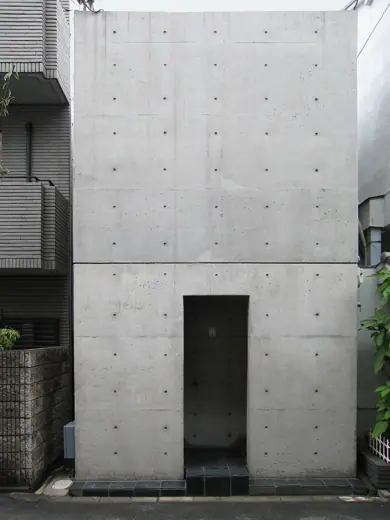 Row House in Sumiyoshi1976 · Osaka
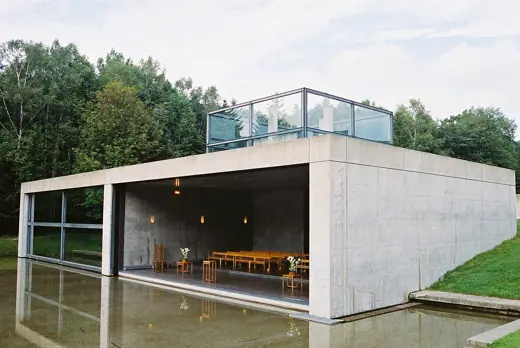 Church on the Water1988 · Tomamu
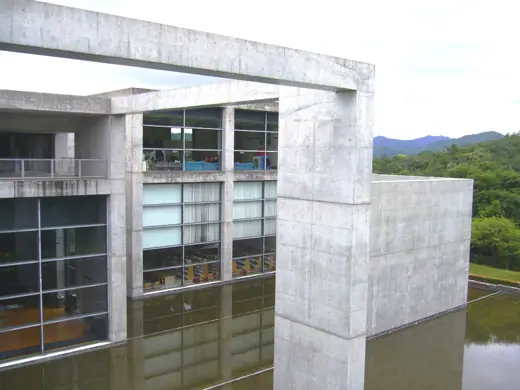 Hyogo Children's Museum1989 · Himeji
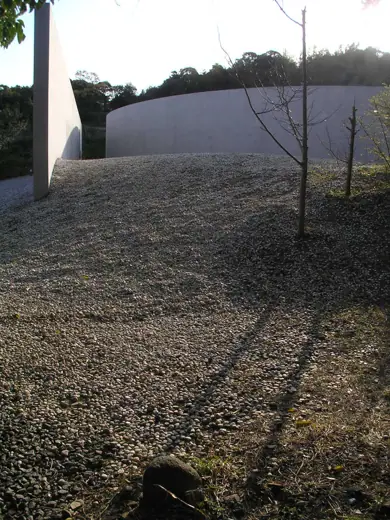 Water Temple (Honpuku-ji)1991 · Awaji
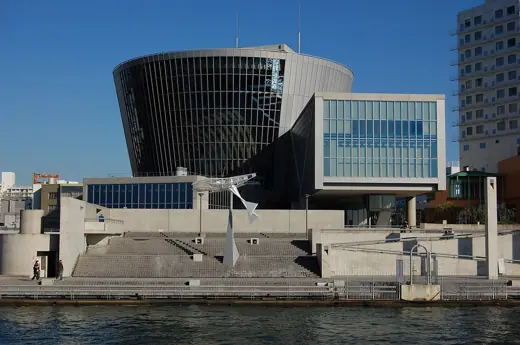 Suntory Museum Tenpozan1994 · Osaka
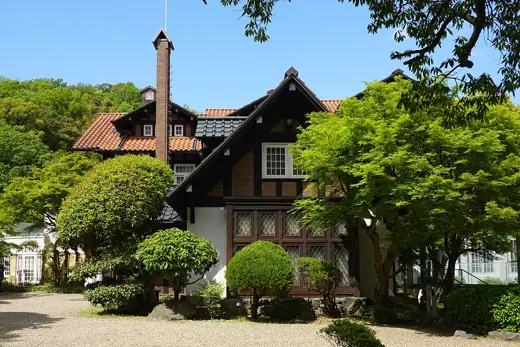 Asahi Group Oyamazaki Villa Museum of Art1996 · Oyamazaki
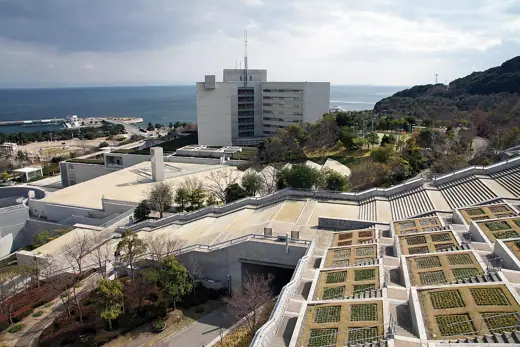 Awaji Yumebutai2000 · Awaji
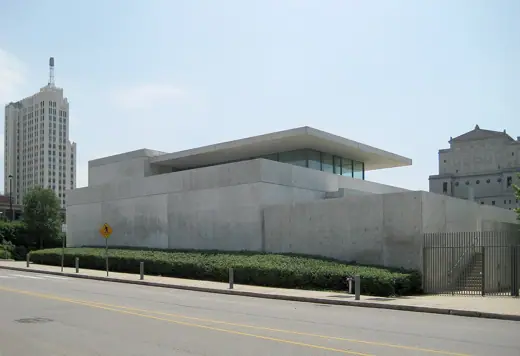 Pulitzer Arts Foundation2001 · St. Louis
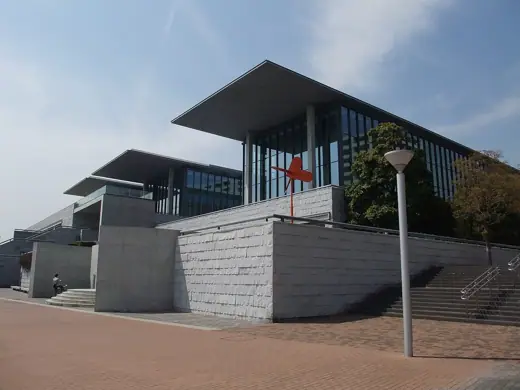 Hyōgo Prefectural Museum of Art2002 · Kobe
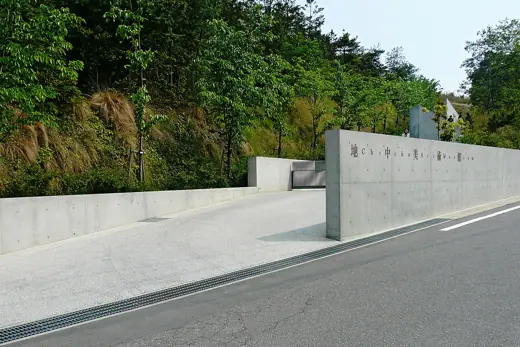 Chichu Art Museum2004 · Naoshima
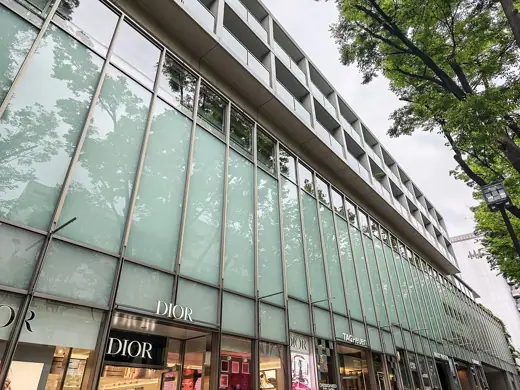 Omotesando Hills2006 · Tokyo
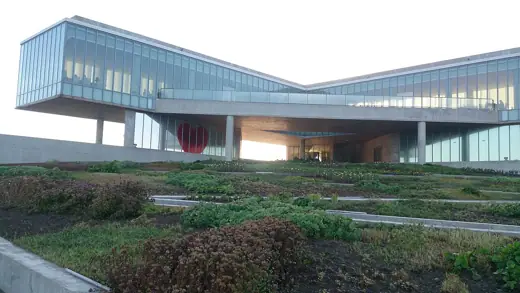 Glass House, Seopjikoji2008 · Seogwipo
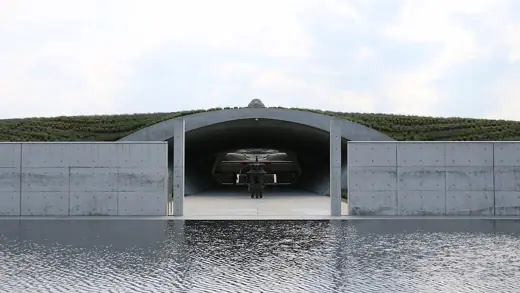 Hill of the Buddha2015 · Sapporo
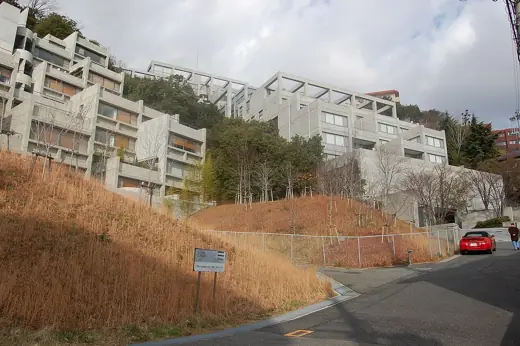 Rokko Housing1983 · Kobe
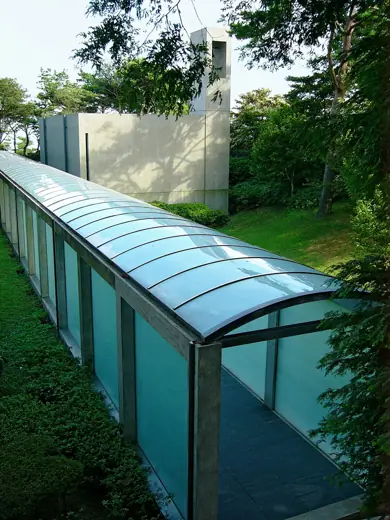 Church on the Wind1986 · Kobe
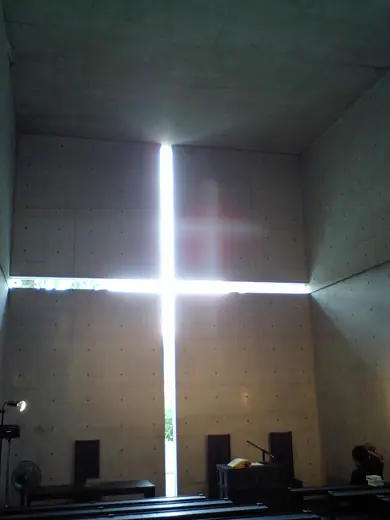 Church of the Light1989 · Ibaraki
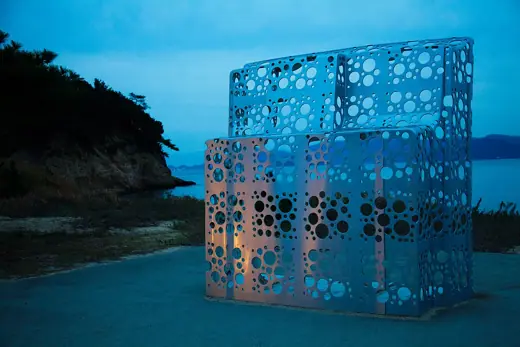 Benesse House Museum1992 · Naoshima
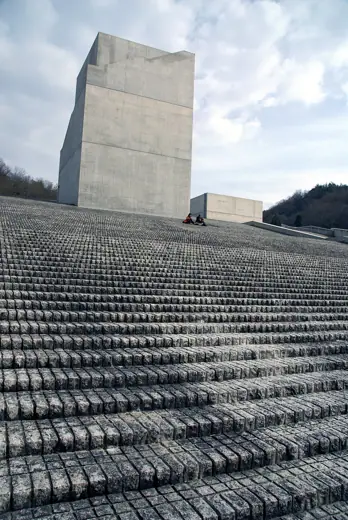 Chikatsu Asuka Museum1994 · Kanan
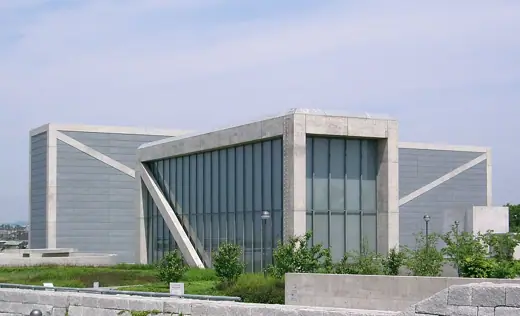 Osaka Prefectural Sayamaike Museum2001 · Osakasayama
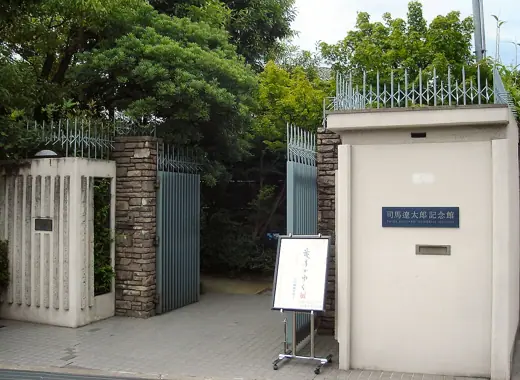 Shiba Ryotaro Memorial Museum2001 · Higashiōsaka
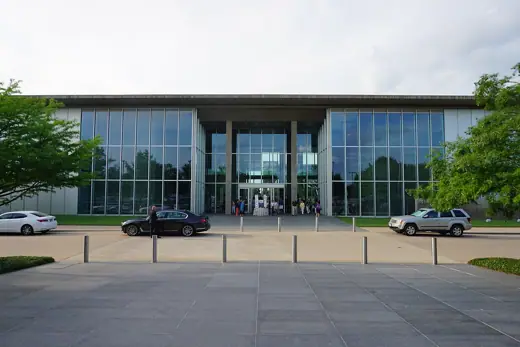 Modern Art Museum of Fort Worth2002 · Fort Worth
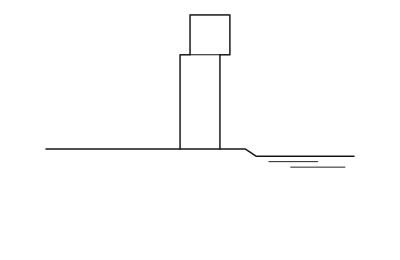 4x4 House2003 · Kobe
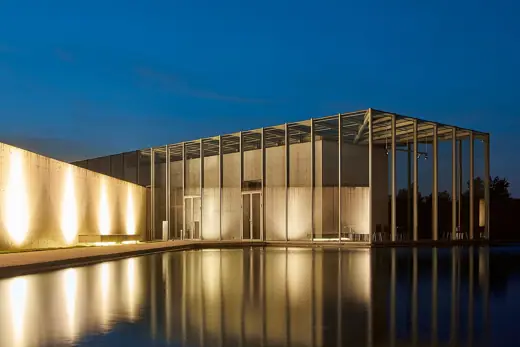 Langen Foundation2004 · Neuss
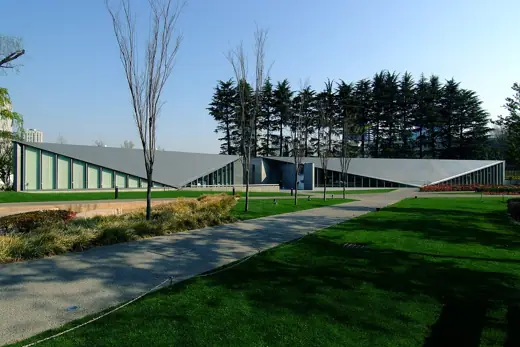 21_21 Design Sight2007 · Tokyo
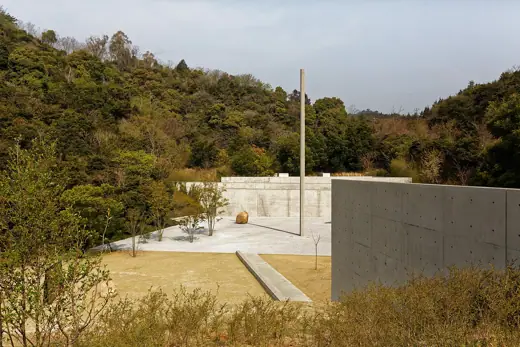 Lee Ufan Museum2010 · Naoshima
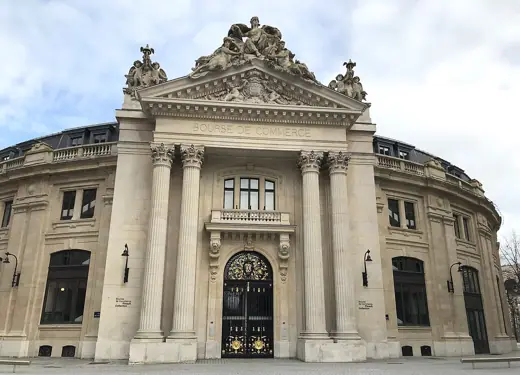 Bourse de Commerce - Pinault Collection2021 · Paris